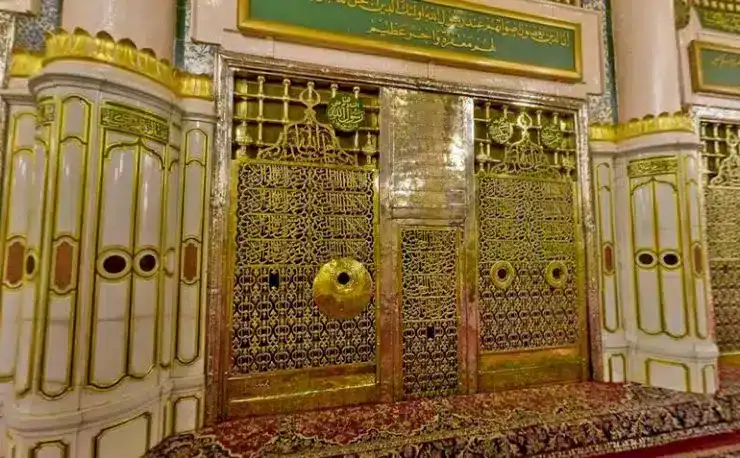

Complete Guide to Madinah Ziyarat: Map, Routes & Best Places to Visit
Visiting Al-Madinah Al-Munawwarah is, for most pilgrims, about far more than the days spent praying at Masjid an-Nabawi. Scattered across the city and its outskirts are mosques, wells, gardens, and battle sites tied directly to the life of the Prophet Muhammad ﷺ and his companions. Visiting these places — known collectively as Madinah Ziyarat – is one of the most meaningful parts of an Umrah or Hajj trip for many visitors, though it is a matter of personal and historical interest rather than a ritual obligation.
This guide walks through the most commonly visited Ziyarat sites in Madinah, roughly where they sit relative to the Prophet’s Mosque, how long visitors typically spend at each, and what to keep in mind when planning routes, timing, and transportation — whether you’re traveling alone, with elderly parents, or with a full family group.
What Is Madinah Ziyarat?
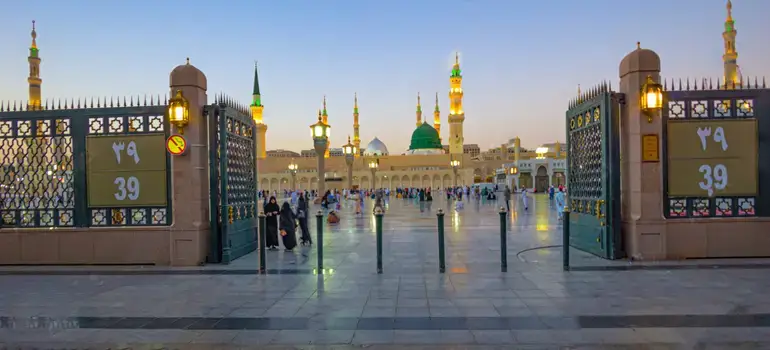
“Ziyarat” simply means “visit” in Arabic. In the context of Madinah, it refers to visiting places connected to the Prophet ﷺ, his companions, and early Islamic history – mosques he prayed in, the site of the Battle of Uhud, the graves of companions and martyrs, and locations tied to the Hijrah (migration) and the early Muslim community.
These visits are not part of the formal rites of Umrah or Hajj. They are a way for visitors to connect with Islamic history and to reflect on events they have read or learned about. Because of this, there is no single “correct” itinerary — most visitors build a route based on the time they have, their physical ability to walk or climb, and what interests them most.
Guide to Madinah Ziyarat
The table below gives a general sense of direction and distance from Masjid an-Nabawi. Actual travel time depends heavily on traffic, time of day, and the specific route taken, so treat these as approximate planning figures rather than fixed numbers.
| Site | Direction from Masjid an-Nabawi | Approx. Distance | Typical Time Needed |
|---|---|---|---|
| Rawdah & Jannat al-Baqi | Inside/adjacent to the Haram | Walking distance | 30–60 minutes (Rawdah access can involve queuing) |
| Quba Mosque | South | Roughly 3–4 km | 30–45 minutes |
| Masjid al-Qiblatain | Northwest | Roughly 4–5 km | 20–30 minutes |
| Mount Uhud & Martyrs’ Cemetery | North | Roughly 5–6 km | 45–90 minutes |
| Seven Mosques (Sab’ah Masajid) | Northwest, near the Trench site | Roughly 4–5 km | 30–45 minutes |
| Masjid al-Ghamamah | Very close to the Haram | Walking distance | 10–15 minutes |
| Bir Uthman (Well of Uthman) | Near Quba area | Roughly 3–4 km | 15–20 minutes |
Sites Within Walking Distance of the Haram
Rawdah
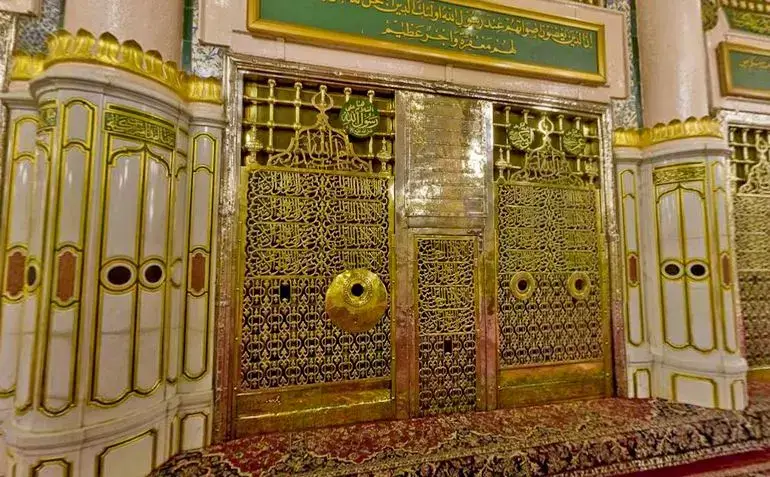
The Rawdah is the area between the Prophet’s ﷺ former house (now part of the mosque) and his pulpit (minbar), described in a well-known hadith as one of the “gardens of Paradise.” It sits inside Masjid an-Nabawi itself, marked by a distinctive green carpet. Access is often managed through a booking system (via the Nusuk app or on-site arrangements) due to high demand, particularly during peak Umrah and Hajj periods, so visitors should check current entry procedures rather than assume walk-in access.
Jannat al-Baqi
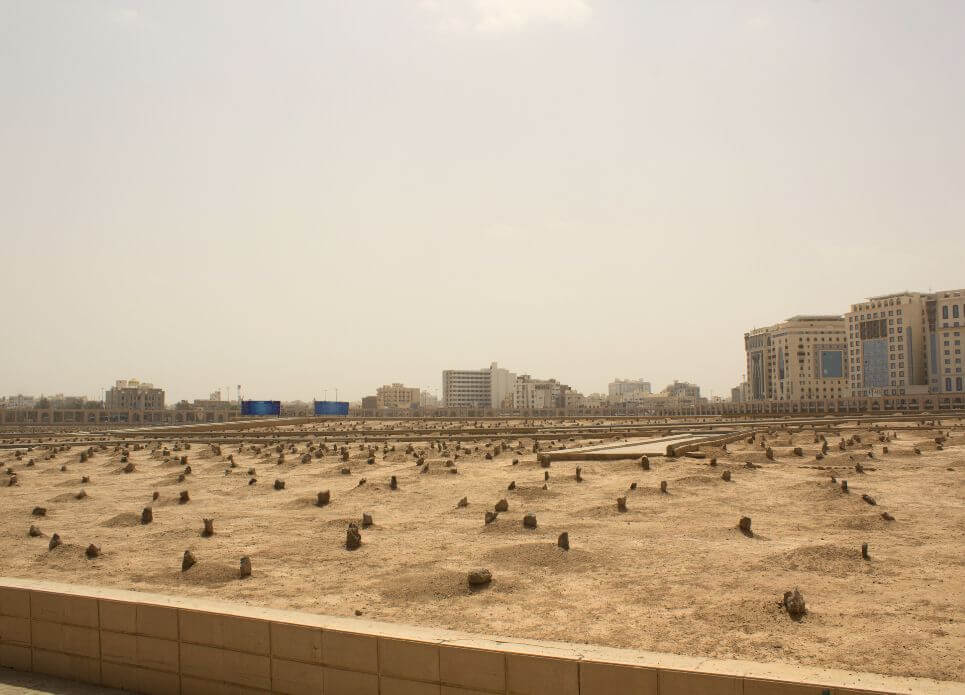
Adjacent to the mosque, Jannat al-Baqi (Al-Baqi Cemetery) is the historic burial ground for many of the Prophet’s ﷺ family members and companions. It is a simple, unmarked cemetery in keeping with Islamic tradition, rather than a monument site. Visiting hours are limited and can vary, and women’s access has historically been restricted at Al-Baqi, so it’s worth confirming current rules on-site or with your hotel before planning around a visit. Visitors are expected to be quiet and respectful, and photography is generally discouraged.
South of the Haram: Quba Mosque
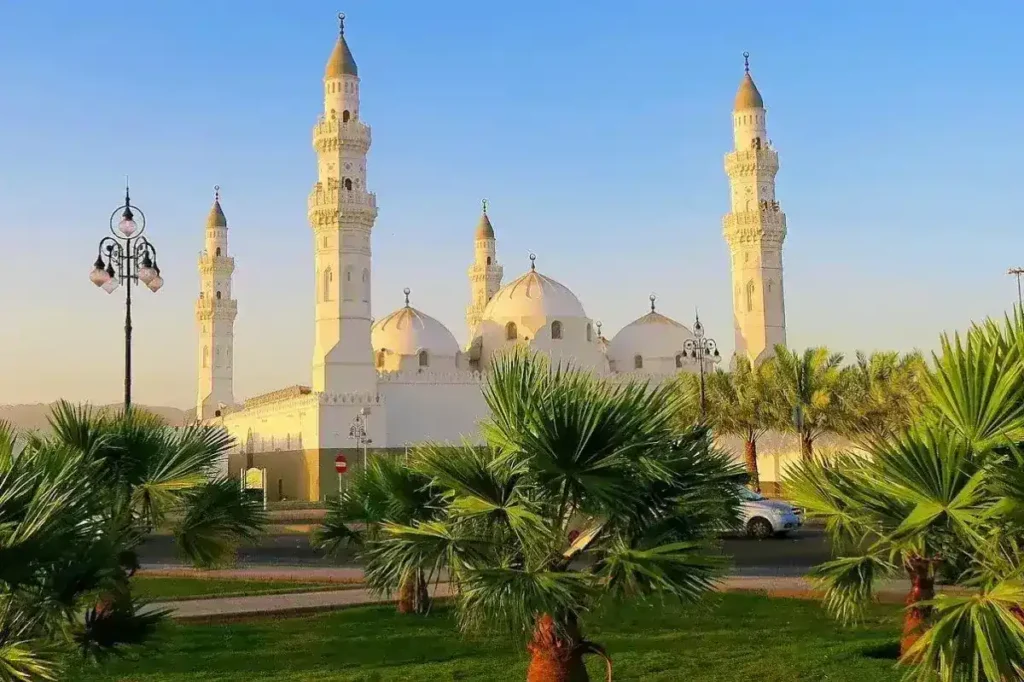
Quba Mosque holds a distinct place in early Islamic history as the first mosque built after the Prophet’s ﷺ arrival in Madinah during the Hijrah. It sits roughly 3–4 kilometers south of Masjid an-Nabawi. Many visitors walk part or all of the route via the landscaped Quba Walking Trail, a shaded pedestrian corridor built specifically to connect the two mosques, though the full walk can take around 45 minutes to an hour and is better suited to those comfortable walking that distance, especially in cooler weather. Others prefer a short taxi ride, particularly during the heat of the day or when traveling with children or elderly relatives.
Quba Square, the plaza in front of the mosque, has cafés, seating areas, and shops, making it a comfortable place to rest before or after the visit.
Masjid al-Qiblatain (Mosque of the Two Qiblas)

Masjid al-Qiblatain marks the location where the direction of prayer (qibla) is understood to have changed from Jerusalem to the Kaaba in Makkah, during a prayer led by the Prophet ﷺ. The mosque historically featured two mihrabs (prayer niches) reflecting both directions, though the current building reflects the single qibla toward Makkah used today. It sits a few kilometers from the Haram, generally grouped into the same route as the Seven Mosques given their proximity to one another.
North of the Haram: Mount Uhud and the Martyrs’ Cemetery
Mount Uhud lies roughly 5–6 kilometers north of Masjid an-Nabawi and is the site of the Battle of Uhud (625 CE), a significant early battle in Islamic history. At the foot of the mountain is the Martyrs’ Cemetery, where companions who fell in the battle – including Hamza ibn Abd al-Muttalib, the Prophet’s ﷺ uncle — are buried.
This is typically one of the longer Ziyarat stops, since visitors often want time to view the cemetery, take in the mountain itself, and reflect on the history of the site. Because it’s further from the Haram than Quba, most visitors reach it by taxi or as part of an organized Ziyarat route rather than on foot. There is limited natural shade around the mountain, so timing the visit for cooler parts of the day is worth considering, especially in summer.
The Seven Mosques (Sab’ah Masajid) and the Trench Sites
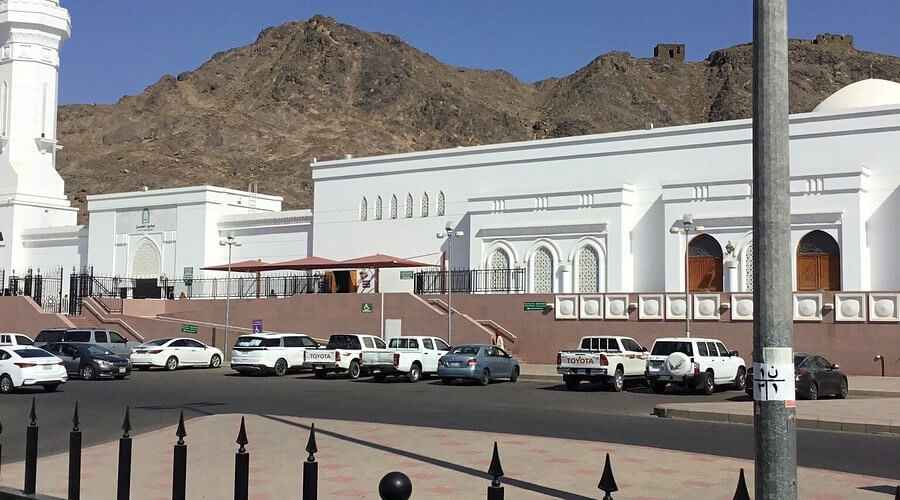
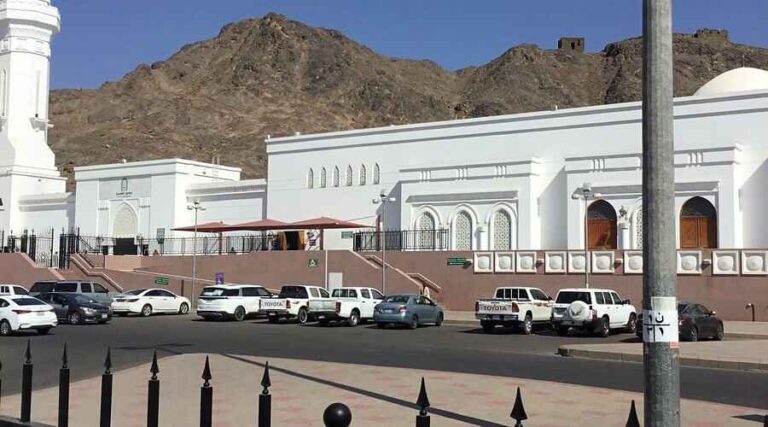
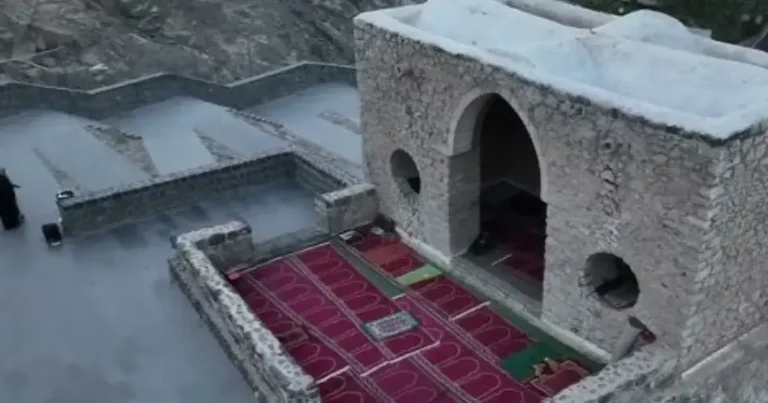
Northwest of the Haram, near the site of the Battle of the Trench (Khandaq), sits a cluster of small historic mosques commonly referred to as the Seven Mosques or Sab’ah Masajid. These are generally understood to mark locations where companions positioned themselves during the battle, and include mosques associated with names such as Salman al-Farsi, Abu Bakr, Umar, and Ali, along with Masjid al-Fath. Because they sit close together, this cluster is usually visited as a single combined stop, often alongside Masjid al-Qiblatain given the shared route.
Other Notable Ziyarat Stops
Masjid al-Ghamamah — Located close to the Haram, this mosque is associated with a prayer for rain (istisqa) historically linked to the Prophet ﷺ. Its proximity makes it an easy add-on for visitors with limited time.
Bir Uthman (Well of Uthman) — A historic well near the Quba area, associated with the companion Uthman ibn Affan, often included as a brief stop when visiting Quba.
Visitors with more time sometimes extend their Ziyarat to additional wells, gardens, and smaller historical markers around the city; a private driver familiar with the area can suggest what realistically fits into the time available.
Suggested Visit Order and Time Planning
There’s no single official route, but a practical way to think about it is by geography rather than by importance, since backtracking across the city wastes time:
- If you have a half-day (3–4 hours): Quba Mosque, Bir Uthman, and either Masjid al-Qiblatain or the Seven Mosques cluster — these sit reasonably close together south and southwest of the Haram.
- If you have a full day (6–8 hours): Combine the half-day route above with Mount Uhud and the Martyrs’ Cemetery, since Uhud generally needs the most time and benefits from being visited when it isn’t the hottest part of the day.
- If you have two days: Split north (Uhud) and south/west (Quba, Qiblatain, Seven Mosques) into separate days, with time built in for rest, meals, and prayer at Masjid an-Nabawi in between.
These are planning guidelines, not fixed schedules — actual timing will vary with traffic, group size, prayer times, and how long each visitor wants to spend at any one site.
Prayer, Cemetery, and General Visitor Etiquette
- Dress modestly, in line with general expectations for religious sites in Saudi Arabia.
- At cemeteries such as Jannat al-Baqi and the Uhud Martyrs’ Cemetery, keep voices low, avoid sitting or leaning on graves, and follow any posted rules about photography.
- Avoid loud conversation or phone calls inside mosques.
- Time visits around prayer schedules where possible — some sites become very crowded immediately before and after prayer times.
- Carry water, especially for outdoor sites like Mount Uhud, and expect limited shade at some locations.
- Confirm current access rules (such as Rawdah booking or women’s visiting hours at Al-Baqi) close to your visit date, since these can change.
Getting Between Ziyarat Sites
Because Ziyarat sites are spread across the city — some walkable, most not — visitors generally use one of three options:
Walking works only for the closest sites (Rawdah, Jannat al-Baqi, and, for fitter visitors, the Quba Walking Trail). It isn’t practical for Uhud or the Seven Mosques given the distance and Madinah’s heat for much of the year.
Public buses and shared transport run on general routes near major sites but follow fixed schedules and stops, which can mean extra walking and waiting, particularly during busy Umrah periods.
Private taxi services allow visitors to move between several Ziyarat sites on their own schedule, with the driver waiting at each stop rather than needing to search for return transport. This tends to matter most when covering multiple sites in one outing, traveling with elderly relatives or young children, or trying to fit Ziyarat around limited time in Madinah. Madinah Ziyarat Taxi offers hotel pickup and door-to-door service for these multi-stop routes, with half-day and full-day options that can be adjusted to the sites a visitor wants to prioritize.
Planning Around Weather, Ramadan, and Peak Season
Madinah’s summer heat can make outdoor stops like Mount Uhud considerably more demanding in the middle of the day; many visitors prefer early morning or late afternoon for these sites. During Ramadan and peak Hajj/Umrah periods, both the Haram area and popular Ziyarat sites see significantly higher visitor numbers, which can affect travel times, parking, and how crowded individual sites feel. Building some flexibility into your schedule — rather than a tightly timed itinerary — tends to work better during these periods.
Family, Elderly, and Group Travel Considerations
Several Ziyarat sites involve walking on uneven ground (Mount Uhud in particular) or standing for periods of time in the sun. For families with young children, elderly relatives, or anyone with mobility considerations, it’s worth:
- Choosing a private vehicle over public transport to minimize walking between stops
- Building in rest breaks, particularly around Quba Square and near Uhud
- Traveling during cooler parts of the day where possible
- Discussing the planned route with the driver in advance so stops can be adjusted for pace and comfort
For larger families or groups, a larger vehicle (such as a van or SUV-class vehicle) can be more practical than multiple smaller taxis, simply because it keeps the group together and avoids splitting up between vehicles at each stop.
Booking a Private Ziyarat Taxi
Visitors looking for private transportation between Madinah’s Ziyarat sites can contact Madinah Ziyarat Taxi through WhatsApp at +966 57 4915 372 to ask about hotel pickup, half-day or full-day Ziyarat routes, and vehicle options suited to families or groups. Routes can generally be adjusted based on which sites matter most to you and how much time you have in Madinah.
FAQs
1. What is Madinah Ziyarat?
Madinah Ziyarat refers to visiting historic mosques, cemeteries, and battle sites connected to the Prophet Muhammad ﷺ and his companions in and around Madinah. It is a customary part of many pilgrims’ trips but is not a formal ritual requirement of Umrah or Hajj.
2. Which places are commonly visited during Madinah Ziyarat?
Commonly visited sites include Quba Mosque, Masjid al-Qiblatain, Mount Uhud and the Martyrs’ Cemetery, the Seven Mosques (Sab’ah Masajid), Jannat al-Baqi, and Masjid al-Ghamamah, among others.
3. How long does Madinah Ziyarat take?
A focused half-day covers the closer southern/western sites (Quba, Qiblatain, and nearby stops). A full day allows time to also include Mount Uhud. Exact timing depends on traffic, group size, and how long you want at each stop.
4. Is Quba Mosque within walking distance of Masjid Nabawi?
It’s roughly 3–4 kilometers away. Some visitors walk the dedicated Quba Walking Trail, which takes about 45 minutes to an hour, while others prefer a short taxi ride, especially in hot weather.
5. How far is Mount Uhud from Masjid Nabawi?
Approximately 5–6 kilometers, though figures vary slightly by source and route. It’s generally reached by taxi or private transport rather than on foot.
6. Can I visit multiple Ziyarat sites in one trip?
Yes. Because most sites are spread across different parts of the city, a private taxi that waits at each stop is generally the most efficient way to cover several locations without long gaps for waiting on public transport.
7. Can a taxi pick me up from my hotel for Ziyarat?
Yes – Madinah Ziyarat Taxi offers hotel pickup and drop-off as part of its private Ziyarat services.
8. Is private transportation suitable for families with children or elderly relatives?
It’s generally a practical option, since it reduces walking between stops, allows rest breaks to be built in, and keeps the group together in one vehicle rather than relying on fixed public transport schedules.
9. What vehicle is suitable for a group?
Larger family groups typically find a van or SUV-class vehicle more comfortable and convenient than splitting into multiple smaller cars, since it keeps everyone together across the whole route.
10. Do I need to book Ziyarat transportation in advance?
It’s advisable, particularly during Ramadan, Hajj season, and other peak Umrah periods when demand for transportation is higher.
11. What should I wear for Madinah Ziyarat?
Modest clothing in line with general expectations at religious sites in Saudi Arabia. Comfortable, closed shoes are useful for sites like Mount Uhud, which involve walking on uneven ground.
12. Are Ziyarat sites open every day?
Most are, but access hours and rules – particularly for the Rawdah and Jannat al-Baqi – can vary and are worth confirming close to your visit date.
13. Can I customize my Ziyarat route?
Yes. Most private Ziyarat taxi services, including Madinah Ziyarat Taxi, can adjust the route and stops based on which sites matter most to a visitor and how much time is available.
14. How do I contact Madinah Ziyarat Taxi?
Visitors can reach Madinah Ziyarat Taxi via WhatsApp at +966 57 4915 372 or through the website, madinahziyarattaxi.com, to ask about availability, vehicle options, and itineraries.
15. Is Madinah Ziyarat different from Makkah Ziyarat?
Yes. Madinah Ziyarat sites (Quba, Uhud, the Seven Mosques, etc.) are entirely separate from Makkah’s historical sites (such as Jabal al-Noor or Mina), which relate to different events and are visited as part of a trip to Makkah rather than Madinah.