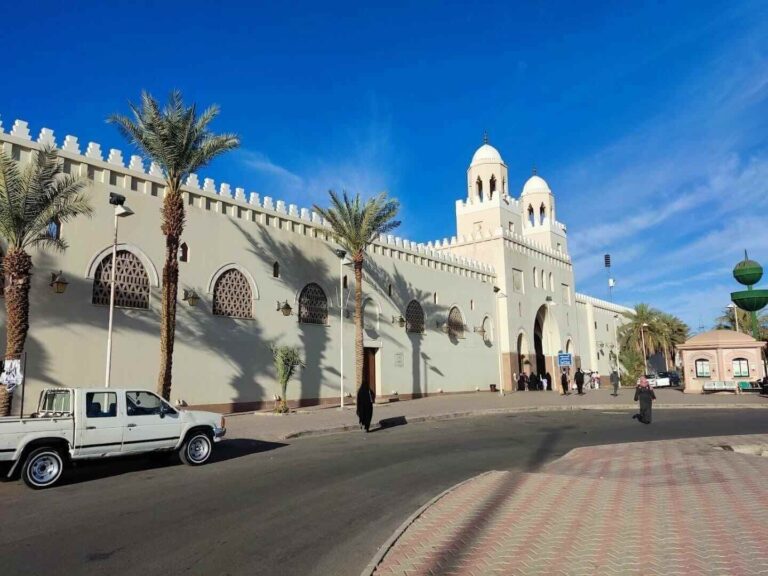
Garden of Salman Farsi: Madinah Ziyarat Guide & Location
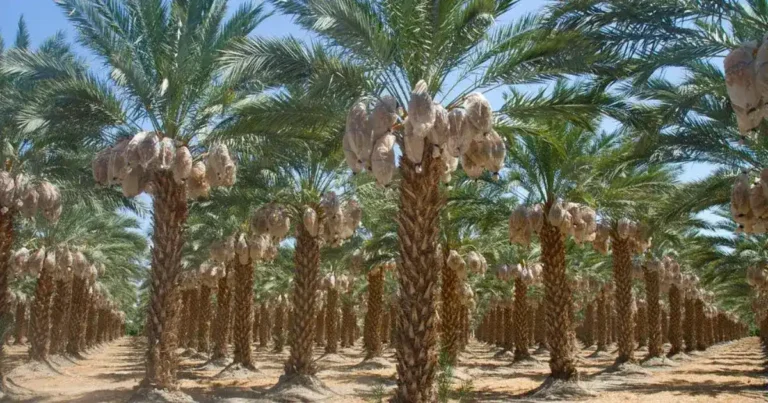
The Garden of Salman Farsi (also written as Salman al-Farsi Garden, or Bagh-e-Salman Farsi) is a quiet, historically significant date-palm farm in Madinah, Saudi Arabia, associated with the companion Salman al-Farsi (RA). It sits close to Quba Mosque, in the Al-Awali area south of the city center, and is a meaningful but low-key stop for visitors tracing the early history of Islam in Madinah.
Unlike the grand mosques of Madinah, the garden is a simple, working piece of farmland with date palms and a well — a place for quiet reflection rather than a formal tourist attraction.
Who Was Salman al-Farsi (RA)?

Salman al-Farsi, known as “Salman the Persian,” was a companion of Prophet Muhammad ﷺ who was born in Persia and, according to widely repeated accounts, traveled for years in search of the true faith before eventually reaching Madinah and embracing Islam. At the time, he was enslaved to a Jewish master from the Bani Quraizah. Because of this, he had been unable to take part in the Muslim community’s early battles or gatherings.
He later became known for the strategic idea of digging a trench around Madinah during the Battle of the Trench (Khandaq) — a defensive tactic that was reportedly unfamiliar to the Arabs of that time and helped protect the city from a besieging coalition. For this contribution, he is often remembered with the honorific “Salman the Good.”
The Story Behind the Garden
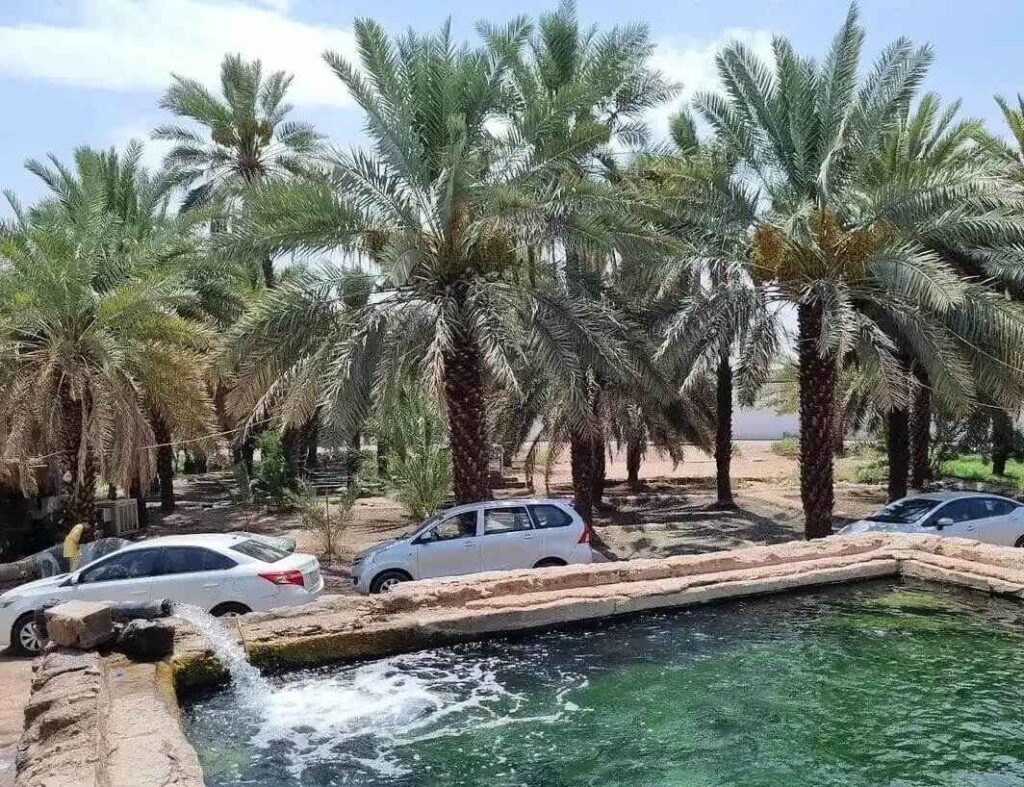
According to accounts widely repeated in Islamic history literature, Salman al-Farsi asked his master what it would take to be freed. The price was agreed as planting a number of date palms — commonly cited as around 300 — along with a payment. Prophet Muhammad ﷺ and his companions are said to have helped plant the palms so that Salman could gain his freedom and fully join the Muslim community in Madinah.
A note on accuracy: the exact number of palms varies slightly between sources (some cite roughly 100, most cite around 300), and this article presents the commonly repeated figure rather than an independently verified count. As with many historical narrations, minor details differ between retellings, and readers interested in the fully sourced account should consult established Islamic history references.
The garden today is understood to occupy land connected to that story, and it remains a living date farm rather than a preserved monument.
Where Is the Garden of Salman Farsi Located?
The garden is located in Madinah’s Al-Awali district, south of the city center, close to Quba Mosque. Reported distances from Masjid an-Nabawi vary by source — figures of roughly 5 to 6 kilometers appear across different travel and heritage sites — and actual travel distance and time will depend on the specific route and traffic conditions, so treat any single figure as approximate.
Because of the distance from the central Haram area and the fact that it sits within a residential/farming area rather than along a typical walking route, most visitors reach the garden by taxi or private transport rather than on foot.
What to Expect When Visiting
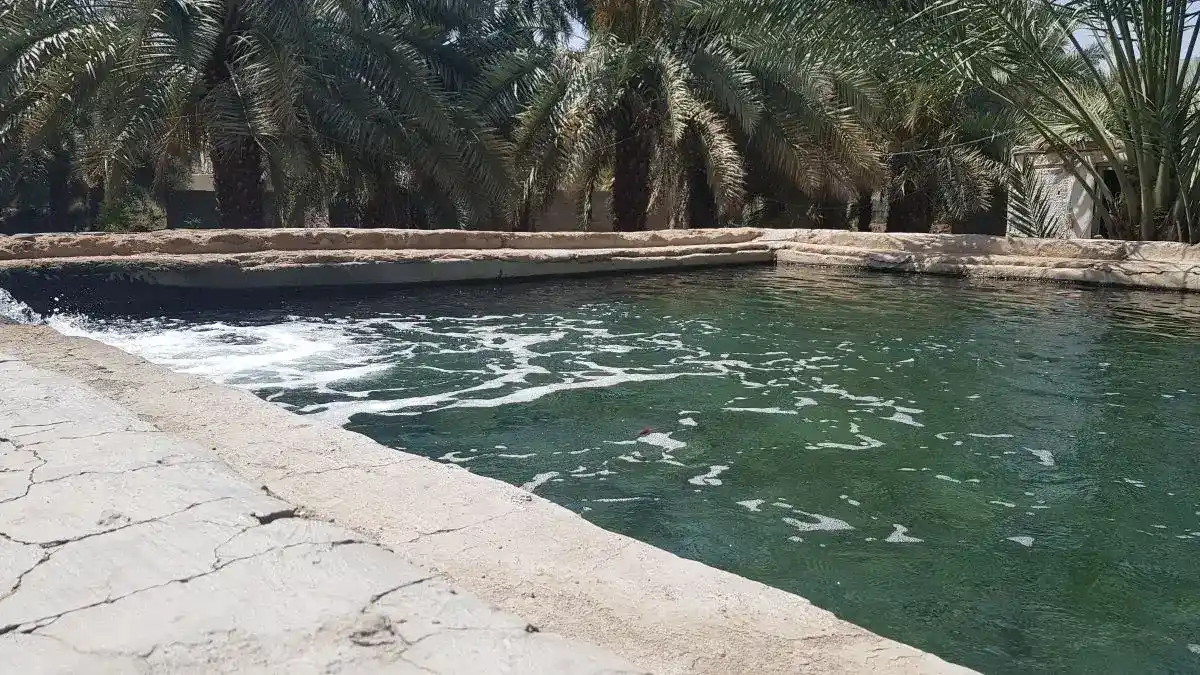
- A working date-palm farm with mature palm trees
- A well, often described as having notably fresh, sweet water
- A simple, quiet, low-infrastructure setting — seating areas may or may not be available depending on the day
- Sometimes dates for sale from the property
- No large visitor center, ticketing system, or fixed opening hours confirmed publicly — access can vary, since this is understood to be privately maintained land
Because it is not a formally managed tourist site, visitors should treat it as a modest, respectful stop rather than expect a polished attraction experience.
Visiting Etiquette
Since the garden sits on private, working farmland connected to a family rather than a government-run heritage site:
- Be respectful of the property and any owners or caretakers present
- Keep voices low and behavior calm, in keeping with the reflective purpose of the visit
- Ask before picking anything or entering areas that appear restricted
- Photography should be considerate of anyone working or present on site
- Access and conditions can change, so flexibility is helpful when planning this stop
Combining It With Other Ziyarat Sites
The Garden of Salman Farsi is often visited alongside Quba Mosque, since the two sites are close to one another in the same southern part of Madinah. Some visitors also combine it with other historical stops in the wider Ziyarat route, depending on the itinerary and time available.
Because the garden is somewhat removed from the central mosque area and other well-known Ziyarat sites like Uhud or the Seven Mosques, it fits most naturally into a half-day or full-day Ziyarat itinerary that includes multiple stops, rather than being visited entirely on its own. Private transportation makes it easier to add a stop like this without depending on fixed public routes or schedules, since a private driver can adjust the route between sites based on the group’s pace and interests.
How to Get There: Transportation Options
Visitors generally reach the Garden of Salman Farsi by:
- Private taxi or private Ziyarat car — the most flexible option, allowing hotel pickup and a custom route that can include Quba Mosque and other nearby sites in the same trip
- Organized Ziyarat tours — group transportation that includes this and other historical stops
- Public transport options are limited for this specific location, given its position outside the central mosque area
For families, elderly travelers, or groups, a private vehicle can be more comfortable than switching between multiple forms of transport, particularly given Madinah’s heat for much of the year and the farm’s location outside the main walkable zone.
Visitors looking for private transportation can contact Madinah Ziyarat Taxi through WhatsApp at +966 57 4915 372 to ask about availability, vehicle options, hotel pickup, or a custom Ziyarat itinerary that includes the Garden of Salman Farsi and nearby historical sites such as Quba Mosque.
Best Time to Visit / Seasonal Notes
- Heat: Madinah’s summer heat can be intense, and since the garden is an open, outdoor farm setting, cooler parts of the day are generally more comfortable for visiting.
- Ramadan and peak Umrah/Hajj periods: traffic and general visitor volume across Madinah tends to increase during these times, which can affect travel time to outlying sites like this one — plan with some flexibility.
- General timing: because there are no confirmed fixed opening hours, it’s worth allowing flexibility in a day’s itinerary when including this stop, rather than planning around an exact arrival time.
Booking a Private Ziyarat Taxi
For visitors who want to include the Garden of Salman Farsi as part of a broader Madinah Ziyarat trip — alongside Quba Mosque and other historical sites — a private Ziyarat taxi allows the route and pace to be adjusted to the group, with hotel pickup and drop-off. This can be especially useful for families with children, elderly travelers, or groups who prefer not to coordinate multiple separate rides between sites.
FAQs
What is the Garden of Salman Farsi?
It’s a historic date-palm farm in Madinah associated with the companion Salman al-Farsi (RA), commonly linked to accounts of Prophet Muhammad ﷺ helping him plant palms to gain his freedom.
Where is the Garden of Salman Farsi located?
It’s in the Al-Awali district of Madinah, close to Quba Mosque, south of the central Masjid an-Nabawi area.
How far is it from Masjid an-Nabawi?
Reported distances vary by source, generally cited as roughly 5–6 kilometers, but actual travel distance depends on the exact route.
Is the Garden of Salman Farsi a mosque?
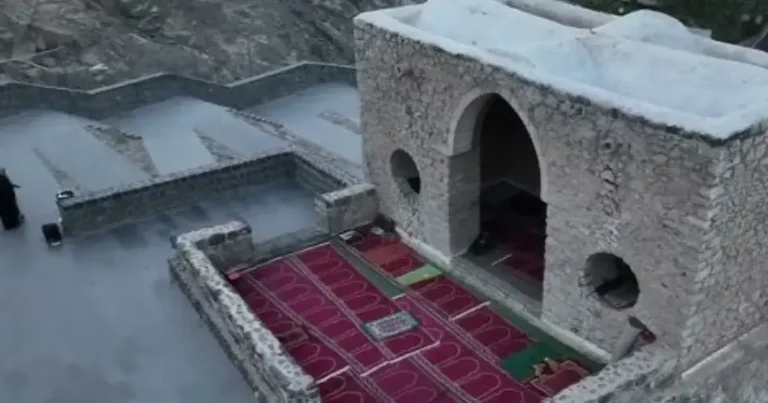
Some sources refer to a nearby “Masjid Salman al-Farsi.” The garden itself is understood primarily as farmland connected to the historical account, rather than a mosque complex.
How many date palms are associated with the story?
Accounts commonly cite around 300, though some sources mention smaller numbers. The exact figure isn’t independently verifiable and varies between retellings.
Is the garden open to the public at fixed hours?
No confirmed fixed public hours are widely published, since it’s generally understood to be privately maintained working farmland. Access can vary.
Can I combine this visit with Quba Mosque?
Yes – the two sites are close to each other, and many visitors include both in the same trip.
Can I book a private taxi to visit the Garden of Salman Farsi?
Yes. Private Ziyarat taxis can include this stop as part of a custom route, often combined with Quba Mosque and other nearby sites.
Can the taxi pick me up from my hotel?
Private Ziyarat taxi services generally offer hotel pickup and drop-off as part of the trip.
Is this site suitable for families or elderly travelers?
It’s a relatively calm, low-walking stop, which can suit families and elderly travelers, though the outdoor farm setting means sun and heat exposure should be considered, especially in summer.
Is public transportation available to this location?
Public transport options are limited for this specific site, since it sits outside the main walkable mosque area – most visitors use private or organized transport.
What should I wear or bring?
General modest dress appropriate for Madinah, along with water and sun protection, given the outdoor farm environment.
Who was Salman al-Farsi (RA)?
A companion of Prophet Muhammad ﷺ, originally from Persia, known for his role in the Battle of the Trench and his personal journey to Islam.
How do I contact Madinah Ziyarat Taxi to arrange a visit?
Via WhatsApp at +966 57 4915 372, to discuss availability, vehicle options, and a custom Ziyarat itinerary.
Does visiting the garden have religious obligations attached?
No – visiting the Garden of Salman Farsi is a matter of historical and educational interest rather than an obligatory part of Umrah or Hajj rites.