Madinah Date Farms Ziyarat: Top Farms, Tasting, and How to Get There
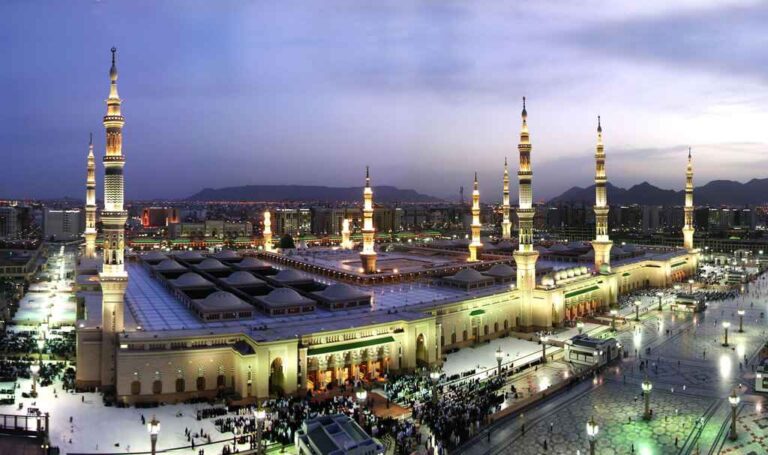
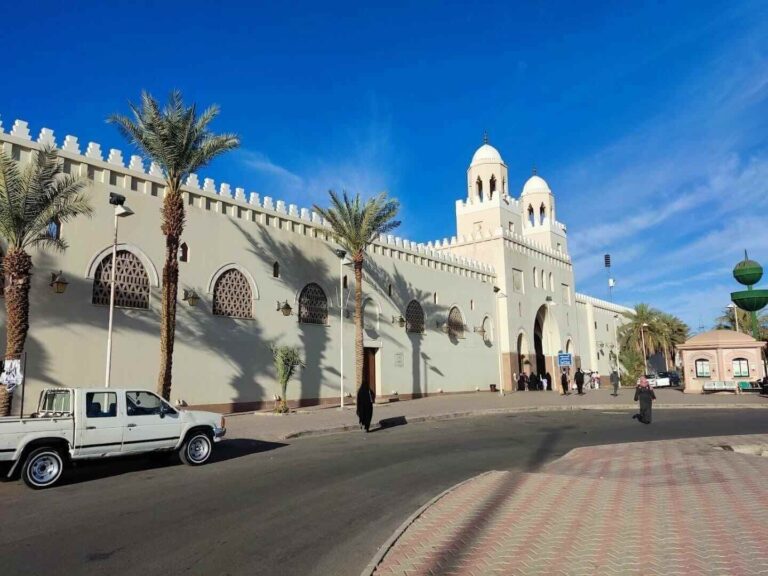
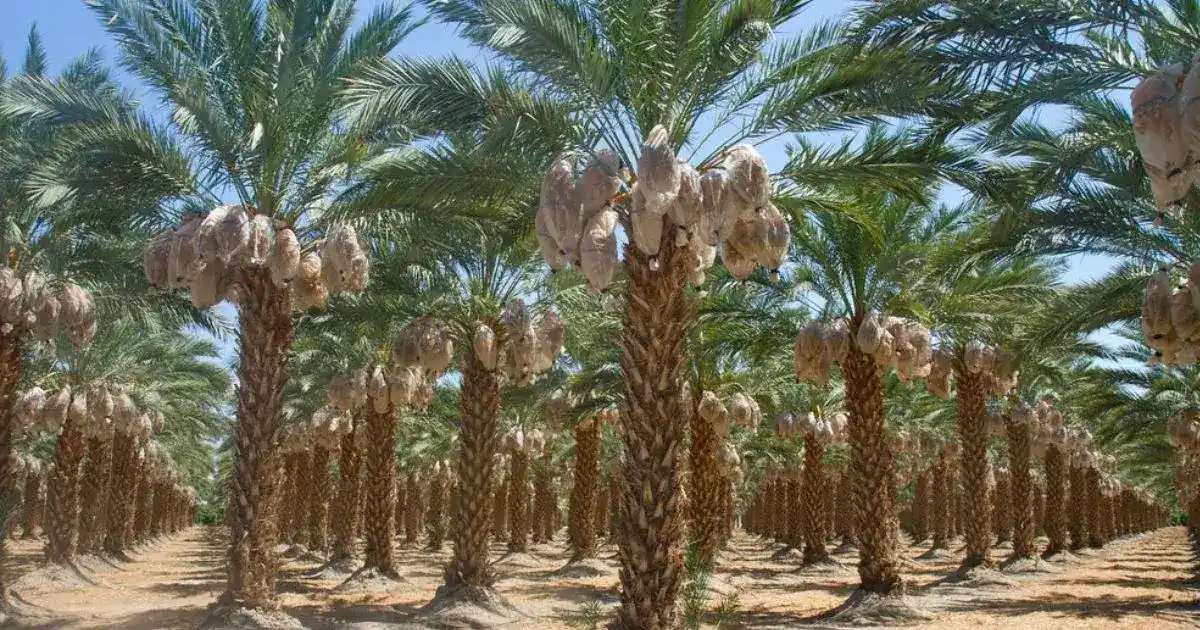
Madinah is known for its mosques, historic battlefields, and companion graveyards — but for many visitors, one of the most memorable stops isn’t a mosque at all. It’s a date farm. A visit to a Madinah date garden lets travelers walk among palm trees, learn how dates are grown and dried, and taste varieties like Ajwa, Sukkari, and Safawi at the source, often as a relaxed, unhurried close to a morning of Ziyarat.
This guide explains what a date farm visit actually involves, how it differs from a trip to a date market, how to judge fresh dates, and how to fit the stop into a private Ziyarat itinerary.
Why a Date Garden Is a Popular Post-Ziyarat Stop
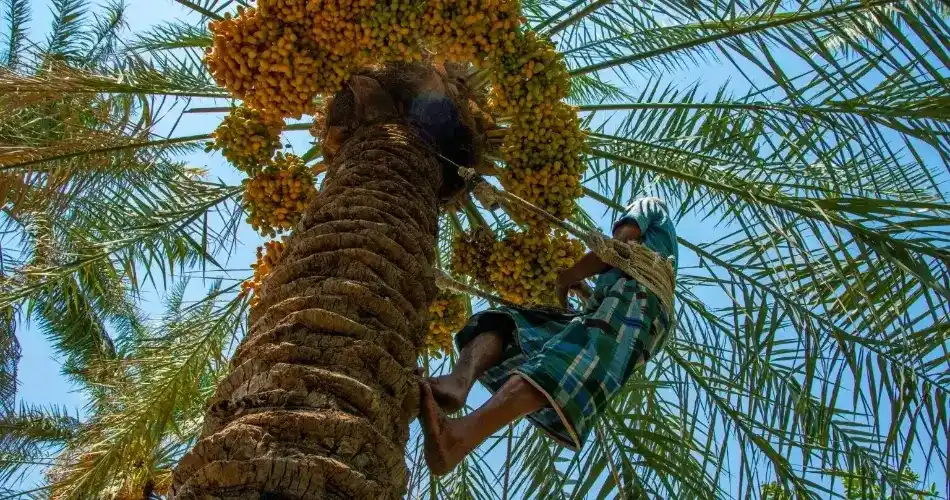
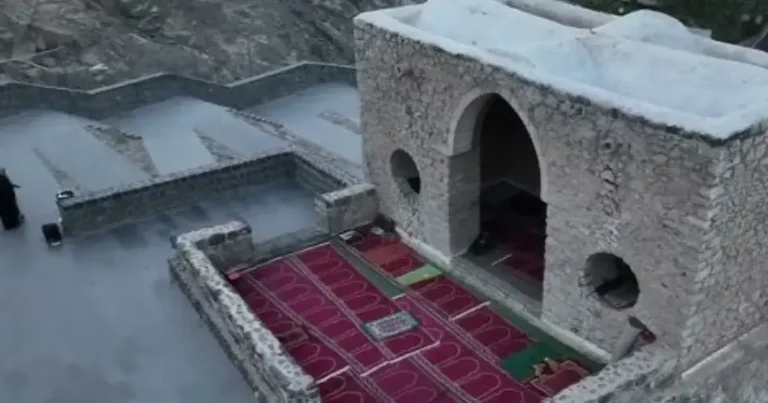
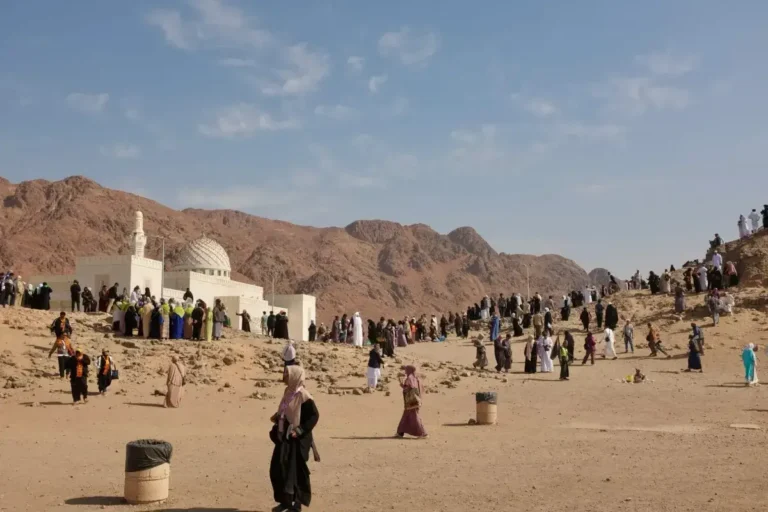
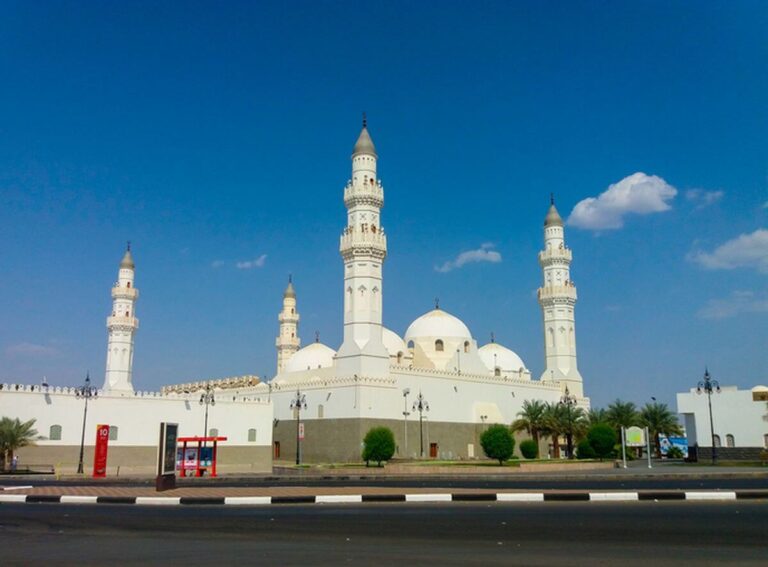
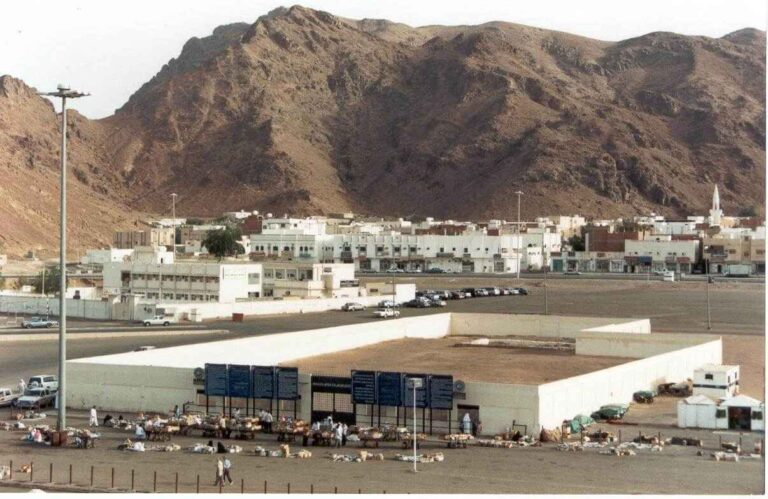
Many Ziyarat mornings in Madinah are spent moving between historically and religiously significant sites — Quba, the Seven Mosques, Uhud — each involving some walking, sun exposure, and reflection. A date farm offers a natural change of pace: shaded palm groves, a slower rhythm, and a hands-on, sensory activity rather than another site to read about.
It also connects visitors to something tangible about the region. Madinah’s climate and soil have supported date palm cultivation for centuries, and dates remain deeply woven into local hospitality — offered to guests, sold in markets near the mosque, and referenced in Islamic tradition. Tasting dates where they’re grown gives that history a physical, edible form.
Types of Date Experiences in Madinah
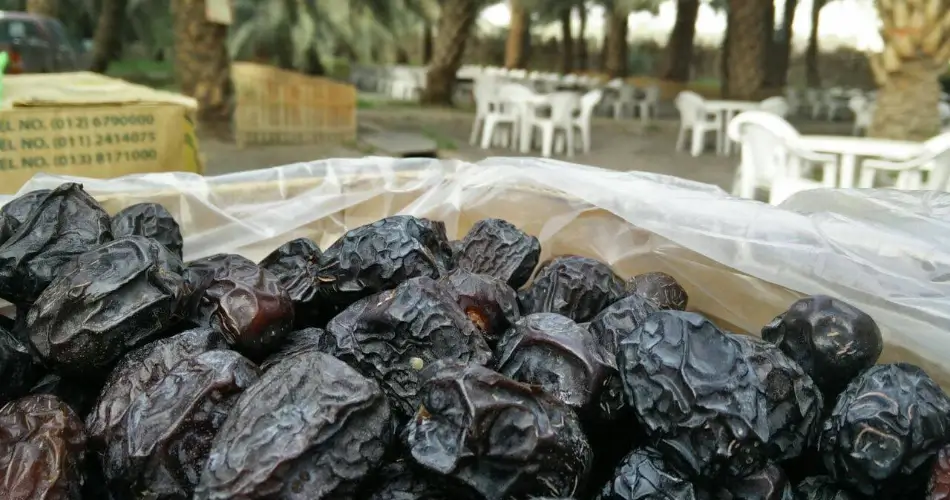
Not every “date farm” visit is the same. It helps to know the difference before planning a stop.
Commercial date farms. Several working farms around Madinah welcome visitors for guided walks through the palm groves, an explanation of the cultivation and drying process, and a tasting session. Some also sell packaged dates and date products on-site. These are generally located outside the immediate central area around Masjid an-Nabawi, so reaching one comfortably usually means arranging transportation rather than walking.
Historic gardens with a Ziyarat connection. A small number of date gardens carry historical significance beyond agriculture. The Salman Al-Farsi Garden, for example, is associated with the story of Salman Al-Farsi (may Allah be pleased with him) and is visited as much for its historical memory as for its palms. These sites are usually smaller, quieter, and privately managed, so respectful behavior matters more than at a commercial farm.
Date markets in the city. For visitors who mainly want to buy dates rather than tour a farm, Madinah has established date markets and shops, some close to the Masjid an-Nabawi area, where a wide range of dates — including Ajwa — are sold by weight. This is the simplest option for travelers short on time who still want to bring dates home.
Which option suits a traveler depends on time available: a market visit can take fifteen minutes, while a farm tour with tasting typically runs a couple of hours.
The Dates of Madinah: Ajwa, Sukkari, Safawi, and More
Madinah’s soil and climate are well suited to date palm cultivation, and several varieties grown in the region have distinct reputations:
- Ajwa — a soft, dark date with a mild, slightly dry sweetness. Ajwa dates from Madinah are the variety most closely associated with the city and carry particular religious significance (see below).
- Sukkari — known for a rich, caramel-like sweetness and softer texture.
- Safawi — dark and firm-fleshed, often described as having deeper, more intense flavor.
- Mabroom — long and chewy, with a milder sweetness than Ajwa or Sukkari.
Ajwa dates carry particular meaning for Muslim visitors. A hadith recorded in Sahih al-Bukhari and Sahih Muslim reports the Prophet Muhammad ﷺ saying that a person who eats seven Ajwa dates in the morning will be protected from poison and magic that day, with the hadith in Sahih Muslim specifying dates grown between Madinah’s two lava plains (harrah). Because of this, many pilgrims specifically seek out Ajwa dates grown in and around Madinah rather than dates from other regions — which is one reason quality and origin matter when buying.
What to Expect on a Date Farm Visit
A typical guided farm visit generally includes:
- A walk through the palm groves, often with an explanation of how date palms are pollinated, grown, and harvested
- A look at how dates are sorted, dried, or packaged, depending on the farm
- A tasting session featuring two or more varieties
- The option to purchase dates or date-based products (such as date paste) directly on-site
Exact tour length, format, and whether a fee applies vary by farm, so it’s worth confirming details in advance rather than assuming a standard format. Some smaller or historic gardens may simply be open for a quiet walk-through with no formal tour at all.
How to Choose Fresh, Good-Quality Ajwa Dates
Whether buying at a farm or a city market, a few practical checks help:
- Look at the skin. Good Ajwa dates should look uniformly dark with a slightly wrinkled but not dried-out or cracked skin.
- Check the texture. Fresh, good-quality dates feel soft and slightly sticky, not hard or crystallized with sugar on the outside.
- Ask to taste first. Many sellers, whether at farms or in the market near the Prophet’s Mosque, are used to letting buyers sample before purchasing — a normal and accepted part of the process.
- Compare a few sources. Prices and quality can vary between sellers, so it’s reasonable to check more than one stall or farm before deciding, especially for larger purchases meant as gifts.
- Ask about origin. If Madinah-grown Ajwa specifically matters to you, ask directly — not all dates sold in the city are grown locally.
Because pricing for dates can vary by season, quantity, and seller, this guide does not state fixed prices; it’s best to confirm current rates directly with the farm or market at the time of your visit.
Best Time to Visit a Date Farm
Madinah’s climate is dry and can be very hot, particularly from late spring through summer. Palm groves offer some shade, but a visit is still more comfortable earlier in the day or later in the afternoon rather than at midday. During Ramadan and peak Umrah or Hajj periods, farms and markets near popular routes may be busier, so building some flexibility into the schedule is worthwhile. As with any outdoor activity in Madinah, carrying water and wearing comfortable, breathable clothing is a sensible precaution regardless of the season.
Getting There: Why Private Transportation Helps
Most working date farms sit on the outskirts of Madinah rather than within easy walking distance of Masjid an-Nabawi, and they are not always well served by public transport schedules. This is where private transportation becomes genuinely useful rather than simply convenient: a private driver can go directly from a hotel to a chosen farm, wait during the visit if needed, and continue on to the next stop without the visitor having to plan connections or negotiate a return trip on the spot.
For travelers combining a date farm with other Ziyarat sites — Quba, the Seven Mosques, or Uhud, for example — private transportation also removes the need to backtrack into the city center between each stop.
Combining a Date Farm Visit with a Half-Day Ziyarat Tour
Because a date farm visit is relatively short and relaxed compared to a mosque or historical site visit, it fits naturally as one stop within a broader half-day route rather than a trip on its own. A common pattern for visitors with private transportation is to begin with one or two historically significant Ziyarat sites in the morning, then close the outing with a date farm or market stop before returning to the hotel – timing that also avoids the hottest part of the day for the outdoor walking involved at most sites.
The exact order and combination of stops should depend on which sites matter most to the traveler, how much time is available, and whether the group includes children, elderly travelers, or anyone with mobility considerations – all of which are easier to accommodate with a flexible, custom itinerary than a fixed group tour.
Practical Tips for Families, Elderly Travelers, and Groups
- Families with children often find a date farm one of the easier stops on a Ziyarat day — it’s outdoor, low-pressure, and doesn’t require the same quiet and formality expected at mosques or gravesites.
- Elderly travelers benefit from farms with level, shaded walking paths; asking in advance about ground conditions is reasonable if mobility is a concern.
- Groups visiting together may prefer a single vehicle sized to keep everyone together rather than splitting across multiple taxis, which also keeps timing for tasting and shopping simpler to coordinate.
- Bring cash in smaller denominations for market purchases, and a bag or box for dates bought as gifts, since not every seller provides sturdy packaging for travel.
Booking a Private Ziyarat Taxi for a Date Farm Visit
Visitors who want to include a date farm or date market stop as part of a private Ziyarat route can contact Madinah Ziyarat Taxi through WhatsApp at +966 57 4915 372 to ask about hotel pickup, vehicle options, and a customized half-day or full-day itinerary that includes a date farm alongside other Ziyarat sites.
FAQs
1. What is included in a Madinah date farm visit?
Most visits include a walk through the palm groves, an explanation of how dates are grown and processed, and a tasting session with two or more date varieties. Some farms also sell dates on-site.
2. Where can I visit a date farm near Madinah?
Several working farms are located on the outskirts of Madinah, generally reached more easily by private transportation than on foot from the central Masjid an-Nabawi area.
3. Can I buy fresh Ajwa dates without visiting a farm?
Yes. Madinah has date markets and shops, including some near Masjid an-Nabawi, where Ajwa and other varieties are sold by weight without needing to travel to a farm.
4. What makes Ajwa dates from Madinah significant?
A hadith recorded in Sahih al-Bukhari and Sahih Muslim describes the Prophet Muhammad ﷺ recommending eating seven Ajwa dates in the morning for protection from poison and magic that day, with the version in Sahih Muslim specifying dates from Madinah’s lava plains. This is why many pilgrims specifically look for Madinah-grown Ajwa.
5. How long does a date farm visit take?
A guided visit with tasting commonly takes around one to two hours, though this varies by farm; a quick stop at a date market can take far less time.
6. What is the difference between Ajwa, Sukkari, and Safawi dates?
Ajwa is soft and dark with a mild sweetness, Sukkari has a caramel-like richness, and Safawi is darker and firmer with a more intense flavor. Mabroom, another common variety, is long and chewy with a milder taste.
7. Is a date farm visit suitable for families with children?
Yes, generally. It is an outdoor, relatively relaxed activity compared to mosque and historical site visits, though supervision around any water features, tools, or uneven ground is still advisable.
8. Can a private taxi include a date farm as part of a Ziyarat route?
Yes. A private Ziyarat taxi can be arranged to include a date farm or market stop alongside other sites such as Quba, the Seven Mosques, or Uhud, without depending on fixed group tour schedules.
9. Can the taxi pick me up from my hotel for a date farm visit?
Private Ziyarat taxi services, including Madinah Ziyarat Taxi, generally offer hotel pickup and drop-off; specific arrangements can be confirmed directly via WhatsApp.
10. Is it possible to taste dates before buying?
At most farms and markets, yes — sampling before purchase is a normal and widely accepted part of buying dates in Madinah.
11. What is the best time of day to visit a date farm?
Earlier morning or late afternoon is generally more comfortable, especially in warmer months, since palm groves offer only partial shade.
12. How much do fresh Ajwa dates cost in Madinah?
Prices vary by season, quantity, seller, and quality, so this guide does not state a fixed price; it’s best to confirm current rates directly with the farm or market at the time of purchase.
13. Is a date farm visit religiously significant, or mainly a cultural activity?
It can be both. Some gardens, like Salman Al-Farsi Garden, carry direct historical and religious significance, while commercial farms are primarily agricultural and cultural experiences, even though the dates themselves — especially Ajwa — hold meaning in Islamic tradition.
14. Can a date farm stop be combined with visiting Quba or the Seven Mosques?
Yes, this is a common combination for visitors with private transportation, typically as the final, more relaxed stop after visiting historically significant Ziyarat sites earlier in the outing.