Masjid al-Fath: History, Location, and Visitor Guide to Madinah’s Mosque of Victory
Perched on a low rise on the western slope of Jabal Sal’ in northwestern Madinah, Masjid al-Fath — “the Mosque of Victory” — marks one of the most significant sites connected to the Battle of the Trench (Ghazwat al-Khandaq). For visitors performing Ziyarat in Madinah, it is usually visited together with the other mosques of the historic Seven Mosques (Masajid Sab’ah) complex, a short distance northwest of Masjid an-Nabawi.
This guide explains the history behind Masjid al-Fath, where it sits in relation to the rest of the Khandaq area, and practical information for visitors planning to include it in a Madinah Ziyarat itinerary.
What Is Masjid al-Fath?
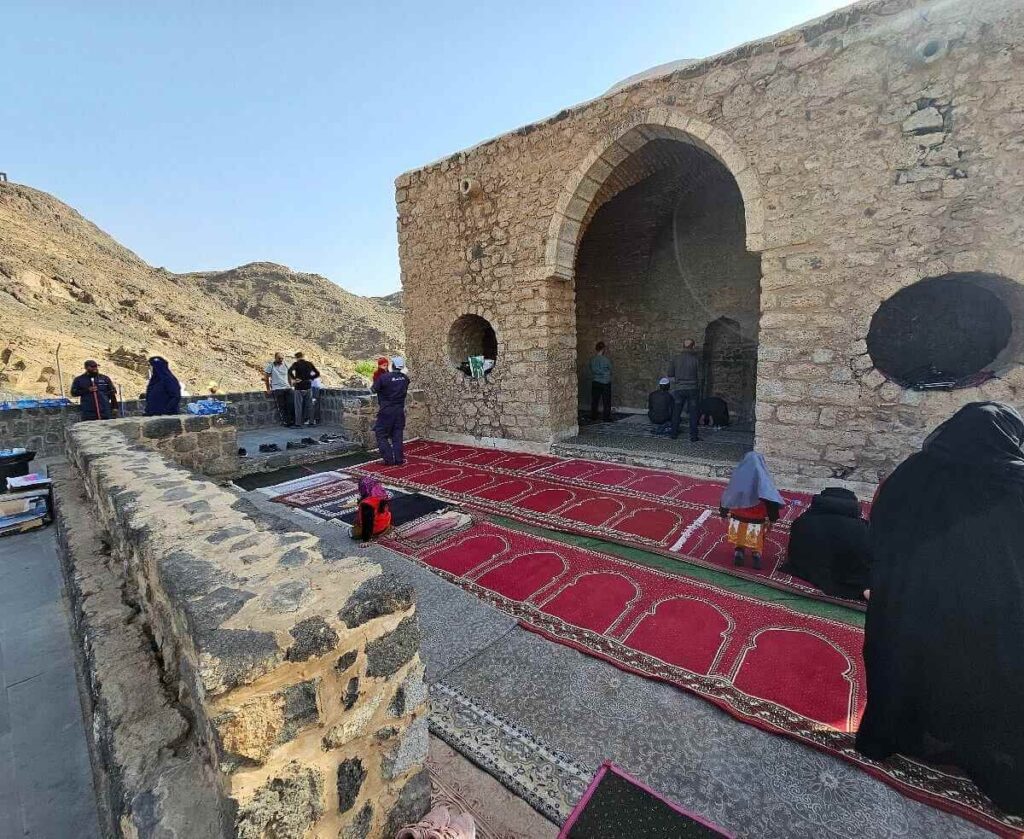
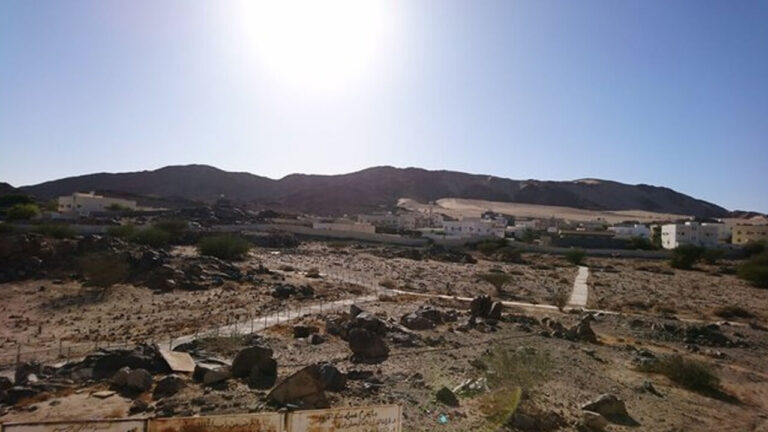
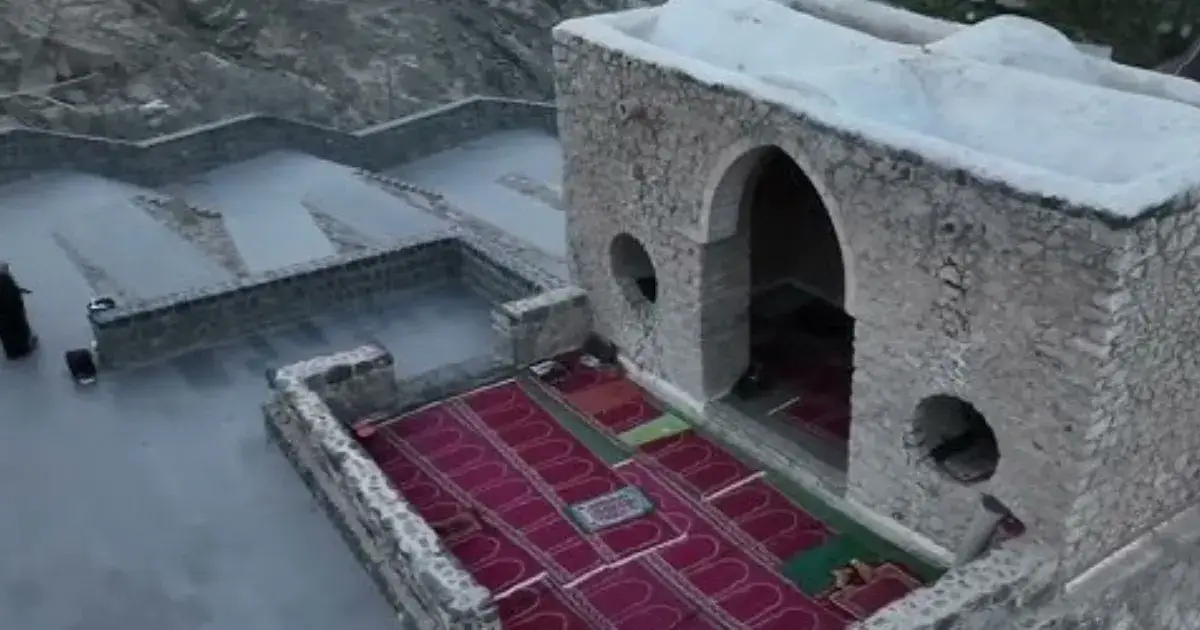
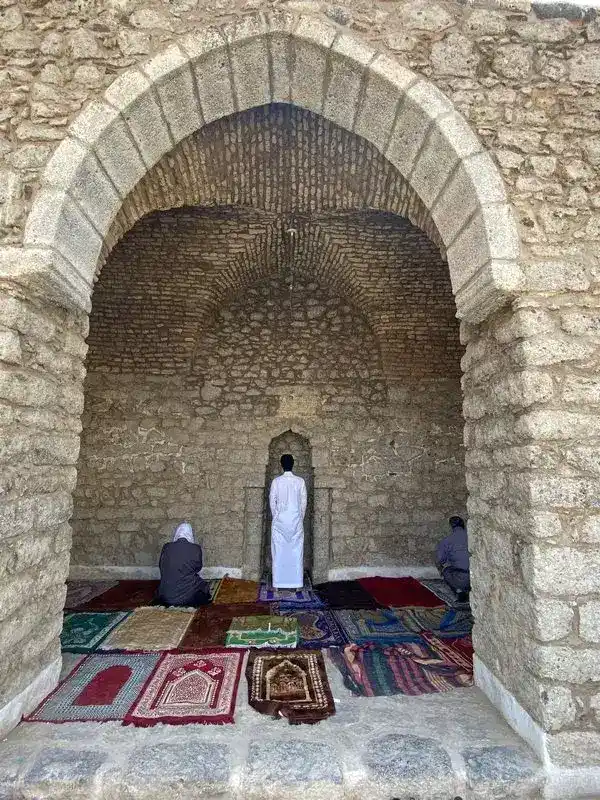
Masjid al-Fath is a mosque in Madinah built on the site traditionally associated with the command post used by Prophet Muhammad ﷺ during the Battle of the Trench in 5 AH (627 CE). It stands on elevated ground on the western side of Jabal Sal’ (Mount Sal’), overlooking the area where the trench was dug to defend the city from a large confederate army.
It is widely recognized as the largest and most prominent mosque among the Seven Mosques of Madinah, and for many visitors it is the main stop within that complex.
The Story Behind Masjid al-Fath and the Battle of the Trench
In the 5th year after the Hijrah, a confederation of Quraysh and allied tribes — often described in historical accounts as numbering around ten thousand fighters — advanced on Madinah. On the advice of the companion Salman al-Farsi, the Muslim community dug a trench (khandaq) across the city’s exposed northern approach, a defensive tactic that was unusual in the warfare of the region at the time.
According to the traditional accounts recorded by early Muslim historians, the Prophet ﷺ established a position on the elevated ground where Masjid al-Fath now stands, and it is here that he is remembered to have made sustained supplication during the siege. The confederate army was ultimately unable to cross the trench, the siege wore on until the alliance broke apart, and the confederate forces withdrew without taking the city — after which, historical sources note, Quraysh did not mount another large-scale attack on Madinah.
It’s worth being clear about how this history is transmitted: the broad narrative of the trench, the siege, and the withdrawal of the confederate army is well established in early Islamic historical sources. Specific details repeated in popular visitor accounts — such as the exact number of days the Prophet ﷺ remained at this spot — vary between sources and are best understood as tradition rather than a single verified figure, so treat very precise claims with appropriate caution.
Why Is It Called “Masjid al-Fath” (The Mosque of Victory)?
“Al-Fath” means “the victory” or “the opening.” Historical scholarship attributes the name to words the Prophet ﷺ is reported to have said after his supplication during the siege — announcing glad tidings of victory and divine support. A well-known clarification found in classical sources is that the mosque was not named after Surah al-Fath, since that chapter of the Qur’an was revealed on a separate occasion, between Makkah and Madinah at the time of the Hudaybiyyah treaty. The name of the mosque instead commemorates the victory granted during the Battle of the Trench itself.
Is It the Same as Masjid al-Ahzab?
Masjid al-Fath has also been referred to historically as Masjid al-Ahzab, since it was here that the Prophet ﷺ is reported to have supplicated against the “Ahzab” — the confederate armies — a supplication recorded in Sahih al-Bukhari. Some sources also note the name Masjid al-A’la (“the upper mosque”), reflecting its position on higher ground compared to the other mosques in the complex. These are historical names for the same site rather than separate locations.
The mosque seen by visitors today is not the original structure from the time of the Prophet ﷺ. Historical accounts describe an early mosque built later by the Umayyad-era governor and later caliph Umar ibn Abd al-Aziz, which has since been rebuilt and maintained across different periods.
Masjid al-Fath and the Seven Mosques of Madinah
Masjid al-Fath is the centerpiece of the Seven Mosques (Masajid Sab’ah), a cluster of small mosques at the foot of Jabal Sal’ that mark the defensive positions held by the Prophet ﷺ and senior companions during the Battle of the Trench. Depending on the source, the complex is described as consisting of six or seven structures, commonly including:
- Masjid al-Fath (the largest, on the highest point)
- Masjid Salman al-Farsi
- Masjid Abu Bakr as-Siddiq
- Masjid Umar ibn al-Khattab
- Masjid Ali ibn Abi Talib
- Masjid Sa’d ibn Mu’adh
Each of the smaller mosques commemorates the post held by that companion during the siege, while Masjid al-Fath — on the highest ground — is associated with the Prophet’s own position overseeing the defense of the city.
For most visitors, seeing “the Seven Mosques” in practice means visiting this cluster together, with Masjid al-Fath as the natural highlight given its size, elevation, and view over the old Khandaq battlefield area.
Where Is Masjid al-Fath Located?
Masjid al-Fath sits in the northwestern part of Madinah, roughly 2 kilometers from Masjid an-Nabawi, at the base and lower slope of Jabal Sal’. The site is in the open Khandaq area and is generally free to visit. Exact travel distance and time from a specific hotel will depend on your location in Madinah, traffic conditions, and time of day, so treat any travel-time estimate as approximate rather than fixed.
How to Visit Masjid al-Fath
Getting There From Masjid an-Nabawi and Madinah Hotels
Because Masjid al-Fath is a few kilometers outside the central area around Masjid an-Nabawi, most visitors reach it by taxi or private car rather than on foot, particularly in warmer months or with elderly family members. A private Ziyarat taxi can collect passengers directly from their Madinah hotel and drive to the Seven Mosques area without the need to arrange separate transport for each stop.
Best Time of Day and Year to Visit
The site is largely open and outdoors, with limited shade in places, so visiting during the cooler parts of the day — early morning or after Asr — tends to be more comfortable, especially in the summer months. During Ramadan and peak Umrah or Hajj-season periods, the wider Madinah area sees significantly more visitors and traffic, which can affect how long a Ziyarat trip takes; building some flexibility into your schedule during these periods is worthwhile.
What to Expect at the Site
Visitors can walk around the mosque and the surrounding Seven Mosques area, view the elevated position associated with the Prophet’s ﷺ command post, and take in the view over the historic Khandaq battlefield. As with any religious site, dress modestly, keep voices low, and be mindful of others who have come for quiet reflection.
Planning a Ziyarat Trip That Includes Masjid al-Fath
Combining It With the Other Seven Mosques
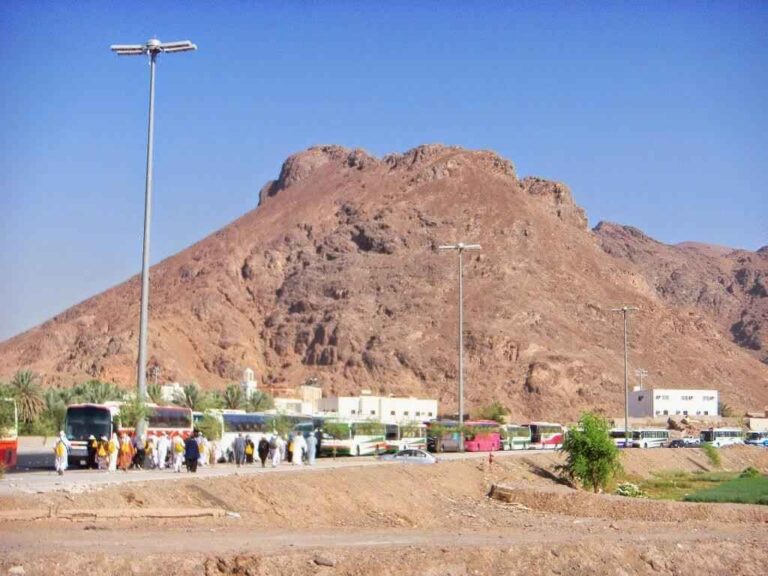
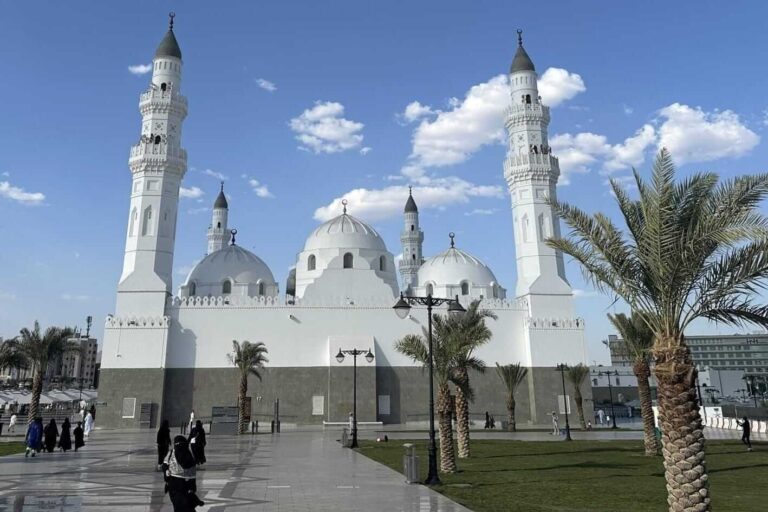
Because the Seven Mosques are clustered close together at the foot of Jabal Sal’, they are typically visited as a single stop within a wider Madinah Ziyarat route, rather than as separate destinations. Many visitors combine this stop with other historical sites such as Quba Mosque, the Qiblatain Mosque, or Uhud, depending on how much time is available and the order that makes sense geographically.
Family, Elderly, and Group Considerations
Since Masjid al-Fath sits on a slope and the surrounding ground is uneven in places, families traveling with elderly relatives or young children may prefer to plan for a slower pace and shorter walking distances. A private vehicle that can wait nearby and pick passengers up close to the site — rather than relying on a fixed public schedule — tends to make this kind of stop easier for larger family groups.
Visitor Etiquette at Masjid al-Fath
- Dress modestly, in line with expectations at any Madinah religious site.
- Keep noise to a minimum, particularly if others are praying or reflecting nearby.
- Photography is generally acceptable in outdoor areas, but be respectful of other visitors and avoid photographing people without their permission.
- Bring water and sun protection, especially outside the cooler winter months, since much of the site is open and exposed.
- Follow any posted signage or guidance from site staff, as access arrangements can be updated by local authorities.
How Private Transportation Can Help
Public transport options to sites like Masjid al-Fath and the wider Khandaq area are limited compared to central Madinah, and coordinating several historical stops in one trip on your own schedule can be difficult, particularly for families, elderly travelers, or groups with limited time in the city.
Madinah Ziyarat Taxi offers private Ziyarat transportation with hotel pickup and drop-off, allowing visitors to travel between the Seven Mosques, Masjid al-Fath, and other Madinah historical sites in one flexible, customizable trip rather than depending on fixed routes or schedules. This can be arranged as a half-day or full-day Ziyarat, depending on how many sites you would like to include and how much time you have available.
Visitors looking for private transportation can contact Madinah Ziyarat Taxi through WhatsApp at +966 57 4915 372 to ask about availability, vehicle options, pickup arrangements, or a customized Ziyarat itinerary that includes Masjid al-Fath and the Seven Mosques.
FAQs
1. What is Masjid al-Fath?
Masjid al-Fath is a historic mosque in Madinah built on the site traditionally associated with the Prophet Muhammad’s ﷺ command post during the Battle of the Trench, and it is the largest mosque within the Seven Mosques complex.
2. Why is Masjid al-Fath called the “Mosque of Victory”?
“Al-Fath” means victory. According to historical sources, the name commemorates the Prophet’s ﷺ announcement of victory after his supplication during the siege of the Battle of the Trench, not the revelation of Surah al-Fath, which occurred on a separate occasion.
3. Is Masjid al-Fath the same as Masjid al-Ahzab?
Yes – Masjid al-Fath has historically also been referred to as Masjid al-Ahzab, since the Prophet ﷺ supplicated there against the confederate armies (the Ahzab) during the Battle of the Trench.
4. Where is Masjid al-Fath located in Madinah?
It is located in the northwestern part of Madinah, on the western slope of Jabal Sal’, roughly 2 kilometers from Masjid an-Nabawi.
5. Is Masjid al-Fath part of the Seven Mosques (Masajid Sab’ah)?
Yes, it is considered the largest and most prominent mosque within the Seven Mosques complex, which marks the defensive positions held during the Battle of the Trench.
6. How far is Masjid al-Fath from Masjid an-Nabawi?
Approximately 2 kilometers, though actual travel time will vary depending on traffic, starting location, and time of day.
7. Can visitors walk to Masjid al-Fath from central Madinah?
It is possible in cooler hours, but given the distance and uneven ground near the site, many visitors – especially families, elderly travelers, and those visiting during hot months — prefer to go by private taxi.
8. Is there an entrance fee to visit Masjid al-Fath?
The Seven Mosques area, including Masjid al-Fath, is generally free to visit, though visitors should follow any posted local guidance, as access details can be updated by local authorities.
9. What should I combine with a visit to Masjid al-Fath?
It is most commonly visited together with the other mosques of the Seven Mosques complex, and depending on available time, can be combined with other Madinah Ziyarat sites such as Quba Mosque, the Qiblatain Mosque, or Uhud.
10. Can I book a private taxi to Masjid al-Fath and the Seven Mosques?
Yes. Madinah Ziyarat Taxi offers private transportation with hotel pickup for visits to Masjid al-Fath, the Seven Mosques, and other Madinah historical sites, arranged as a half-day or full-day trip.
11. Is private transportation suitable for families visiting Masjid al-Fath?
Yes – a private vehicle with flexible pickup and waiting arrangements can make it easier for families with elderly relatives or young children to visit the site at a comfortable pace.
12. What is the best time of day to visit Masjid al-Fath?
Early morning or after Asr tends to be more comfortable, since much of the site is outdoors with limited shade, particularly during the summer months.
13. Does visiting the Seven Mosques take a long time?
This depends on your pace and how many stops you include; because the mosques are close together, the cluster itself is typically a relatively short stop within a longer Ziyarat route, though exact timing will vary.
14. How do I contact Madinah Ziyarat Taxi to arrange a visit?
Visitors can reach Madinah Ziyarat Taxi via WhatsApp at +966 57 4915 372 to discuss pickup arrangements, vehicle options, and a customized Ziyarat itinerary.