Badr Ziyarat: A Complete Location Guide for Visiting Badr from Madinah
For many pilgrims, a trip to Madinah isn’t complete without stepping onto the ground where Islamic history changed course – the plains of Badr. Roughly 150 kilometers southwest of Madinah, Badr is one of the most significant historical sites connected to the early Muslim community, yet it’s also one of the least straightforward to reach. There’s no train station, no organized shuttle network, and the drive crosses genuine desert terrain. This guide walks through what Badr is, what you’ll actually see there, and – most importantly – how to plan the journey properly.
What Is Badr and Why Pilgrims Visit

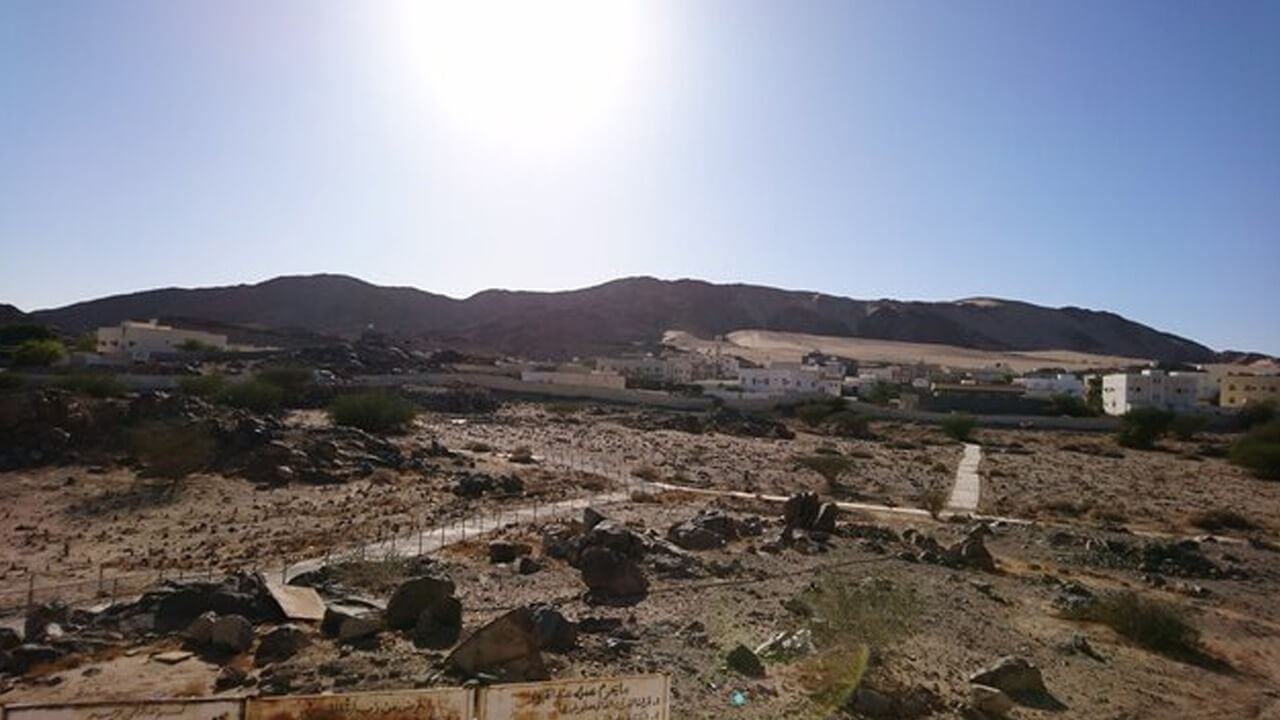
Badr is a small town in Madinah Province, sitting in a landscape of desert plains, low hills, and sand dunes roughly 130–150 km southwest of Madinah. In pre-Islamic times it sat along the old caravan route connecting the Red Sea coast to Damascus, and it was known locally for its wells long before it became historically significant to Muslims.
In 624 CE (17 Ramadan, 2 AH), Badr was the site of the first major battle between the early Muslim community of Madinah and the Quraysh of Makkah. A small, poorly equipped Muslim force is recorded to have prevailed against a much larger Quraysh army – an event referenced in the Qur’an as a turning point that secured the survival of the fledgling Muslim community in Madinah. That history is why Badr remains a meaningful ziyarat (visitation) destination today: pilgrims come not for rituals, but to stand on ground tied directly to the earliest chapter of Islamic history.
What There Is to See in Badr Today
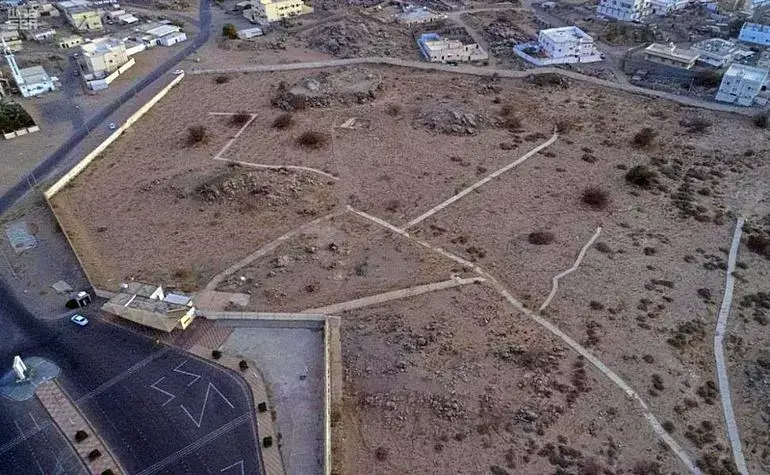
Badr today is a working town, not a tourist complex, so the sites are modest and spread across a fairly wide area rather than concentrated in one walkable zone.
Masjid al-Arish
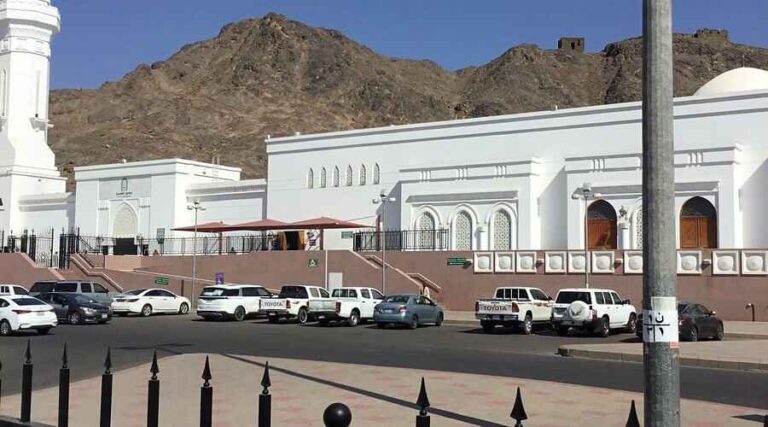
Also known as the Badr Mosque, this is generally considered the historical site associated with where the Prophet Muhammad ﷺ established his position during the battle. It’s the most commonly visited landmark for ziyarat groups and the natural starting point for a Badr trip.
The Martyrs’ Cemetery
A cemetery in Badr holds the graves associated with Muslims who fell in the battle. Many pilgrims pause here for quiet reflection – as with other historic Islamic cemeteries, it’s respectful to keep the visit low-key rather than treating it as a photo stop.
The Battlefield Landmarks
The wider historical site includes landmarks tied to the battle’s positioning – including hillside areas referenced in early accounts of where each side camped before the engagement. These are spread across open desert terrain rather than fenced into a single visitor site, so a local driver who knows the layout is genuinely useful here, not just a convenience.
Beyond the historical sites, Badr itself has basic amenities – fuel stations, small restaurants, and rest areas – since it also functions as a stop along the Madinah–Yanbu–Red Sea corridor for regular travelers, not only pilgrims.
How Far Is Badr From Madinah – and From Makkah?
This is the most commonly searched practical question, and the honest answer depends on the source: Badr sits somewhere in the 130–150 km range southwest of Madinah, depending on which part of Madinah and which part of Badr you’re measuring between. By road, that typically works out to roughly 1.5–2 hours of driving, before accounting for stops.
From Makkah, Badr is considerably farther – well over 300 km – which is why almost nobody visits Badr as a stand-alone trip from Makkah. It’s realistically a Madinah-based excursion, or a stop along a Madinah-to-Makkah road journey for travelers who prefer driving over the train.
Why There’s No Train to Badr
Madinah is connected to Makkah and Jeddah by the Haramain High-Speed Railway, but that line runs along the western corridor through Jeddah and King Abdullah Economic City – it does not pass through or near Badr. Anyone wanting to combine the train with a Badr visit would still need ground transport to bridge the gap, which defeats much of the train’s convenience. For a genuine Badr Ziyarat location , a private vehicle from Madinah is, in practice, the only realistic way to reach the site and move between its landmarks once you’re there.
The Road Route: Madinah to Badr
The drive from Madinah to Badr generally follows the Hijrah Highway (Route 15), the historic route associated with the migration path between Makkah and Madinah, before branching toward Badr’s town center. The road passes through open desert scenery – flat plains giving way to low hills – with limited settlements along the way, so it’s worth planning fuel and rest stops rather than assuming frequent services en route.
Because much of the drive is through undeveloped desert, midday heat is a real factor for most of the year. Pilgrims traveling in a private vehicle have the flexibility to time departure around cooler parts of the day and to take breaks as needed – something that’s harder to manage with a shared minivan running a fixed schedule.
Vehicle and Comfort Considerations for the Trip
A Badr ziyarat is a half-day to full-day round trip, so vehicle choice matters more than it would for a short in-city transfer:
- Small families or couples are generally comfortable in a sedan such as a Toyota Camry for the drive, provided there are periodic stops.
- Larger families or small groups tend to prefer a Hyundai Staria or Toyota Hiace, which give more room to rest during the longer stretches of desert road.
- Bigger groups booking as a party sometimes opt for a GMC Yukon or a small coaster-style vehicle, mainly for luggage space if the Badr trip is combined with other Madinah ziyarat stops on the same day.
Whichever vehicle you choose, air conditioning reliability and driver familiarity with the route matter more on this trip than on shorter Madinah city transfers, given the desert conditions and the distance between landmarks once you arrive in Badr.
Best Time to Visit Badr
Early morning departures from Madinah are generally the most comfortable option, letting you reach Badr and complete the main stops before the midday heat peaks — particularly relevant outside the cooler winter months. Many pilgrims plan the trip either as a dedicated early-morning excursion with a return to Madinah by afternoon, or as a stop along a longer road journey toward Makkah, timed around prayer breaks rather than a strict clock.
Combining Badr Ziyarat With a Madinah-to-Makkah Trip
Some pilgrims choose to visit Badr on the same day they travel from Madinah to Makkah by road, since the route toward Badr and the route toward Makkah both branch from similar southbound corridors out of Madinah. If you’re planning this combination, there’s one detail worth understanding in advance: the miqat.
Stopping at Miqat Dhu al-Hulayfah (Abyar Ali)
Anyone traveling from Madinah into Ihram for Umrah must pass through Miqat Dhu al-Hulayfah, commonly known as Abyar Ali, located a short distance southwest of Masjid an-Nabawi. If your itinerary includes both Badr and onward travel to Makkah for Umrah, the practical sequence is usually: visit Badr first, return toward Madinah, then stop at the miqat mosque to shower, change into Ihram, and make the intention before continuing to Makkah.
At the miqat, most pilgrims need roughly 30–45 minutes to shower, change, and pray two rak’ahs before resuming the journey – and a private driver who’s used to this stop will typically wait during that window rather than treating it as a separate, timed leg of the trip. This is one of the clearest advantages of booking a private vehicle for the day rather than juggling shared transport and taxis between each stop.
Cost and Practicality: Private Taxi vs. Other Options
Because Badr has no train access and limited public transit, most travelers weigh two realistic options:
- Self-drive or a rented vehicle – workable if you’re confident navigating unmarked desert roads and don’t mind managing fuel stops and directions yourself.
- A private taxi or driver for the day – a single fixed arrangement covering the Madinah–Badr round trip (and, if needed, the onward miqat stop toward Makkah), with the driver handling navigation, waiting time, and pacing around prayer and rest breaks.
For a family or small group, a private vehicle for the day tends to work out simpler than coordinating fuel, directions, and multiple stops independently – particularly since Badr’s landmarks are spread across open terrain rather than one compact site. Luggage space is also worth considering if the Badr trip is the first leg of a longer Madinah-to-Makkah journey, since a private vehicle can typically carry more than what you’d manage comfortably in a smaller shared car.
Booking a Private Taxi for Your Badr Ziyarat
If you’d like to arrange a private vehicle from Madinah for a Badr ziyarat – either as a standalone day trip or combined with onward travel to Makkah via the Dhul Hulayfah miqat – bookings can be made in advance, with payment typically settled after you’re dropped back at your hotel, according to the agreed terms. For booking or questions about timing and vehicle options, you can reach the team directly on WhatsApp at +966574915372.
FAQs
1. Where exactly is Badr located?
Badr is a town in Madinah Province, Saudi Arabia, roughly 130–150 km southwest of Madinah, in a desert landscape of plains and low hills.
2. What happened at Badr?
Badr was the site of the first major battle between the early Muslim community of Madinah and the Quraysh of Makkah, in 624 CE (17 Ramadan, 2 AH) – an event widely regarded as a turning point in early Islamic history.
3. How long does it take to get from Madinah to Badr?
By road, the drive is generally around 1.5–2 hours each way, depending on traffic, stops, and the exact starting point in Madinah.
4. Is there a train from Madinah to Badr?
No. The Haramain High-Speed Railway connects Madinah with Jeddah and Makkah but doesn’t run through or near Badr, so road transport is the practical way to reach it.
5. Can I visit Badr in a single day from Madinah?
Yes, a Badr ziyarat is typically done as a half-day to full-day round trip from Madinah, especially if you leave early in the morning.
6. What can I see in Badr?
The main landmarks are Masjid al-Arish (the Badr Mosque), the martyrs’ cemetery associated with the battle, and the surrounding historical battlefield landmarks.
7. Do I need to be in Ihram to visit Badr?
No. Visiting Badr itself is a historical ziyarat, not a ritual requiring Ihram. Ihram only becomes relevant if you’re continuing on to Makkah for Umrah afterward and need to pass through the Dhul Hulayfah miqat.
8. Can I combine a Badr visit with travel to Makkah for Umrah?
Yes, many pilgrims visit Badr first, then stop at Miqat Dhu al-Hulayfah (Abyar Ali) near Madinah to enter Ihram before continuing to Makkah, especially when traveling by private car.
9. How long is the waiting time at the miqat?
Most pilgrims need roughly 30–45 minutes at Miqat Dhu al-Hulayfah to shower, change into Ihram, and pray before continuing the journey.
10. Is a private taxi necessary, or can I self-drive to Badr?
Self-driving is possible if you’re comfortable navigating desert roads without much signage, but a private taxi with a local driver removes the need to manage navigation, fuel stops, and pacing around the site’s spread-out landmarks.
11. What vehicle is best for a family visiting Badr?
For a small family, a sedan works for the drive; for larger families or groups, a van like a Hyundai Staria or Toyota Hiace offers more room for the longer desert stretches.
12. Is Badr close to Makkah?
No – Badr is much closer to Madinah. From Makkah, the distance is well over 300 km, so Badr is realistically visited from Madinah rather than as a day trip from Makkah.
13. What’s the best time of day to visit Badr?
Early morning is generally most comfortable, allowing you to complete the visit before midday heat sets in, particularly outside the winter months.
14. Are there facilities in Badr, like food or fuel stops?
Yes, Badr functions as a working town along the Madinah–Yanbu corridor, with basic fuel stations and small restaurants available.
15. How do I book a private taxi to Badr from Madinah?
You can arrange a private vehicle in advance via WhatsApp at +966574915372, with payment typically completed after drop-off according to the agreed booking terms.