
Cave of Mount Uhud: History, Location, and a Practical Visitor Guide
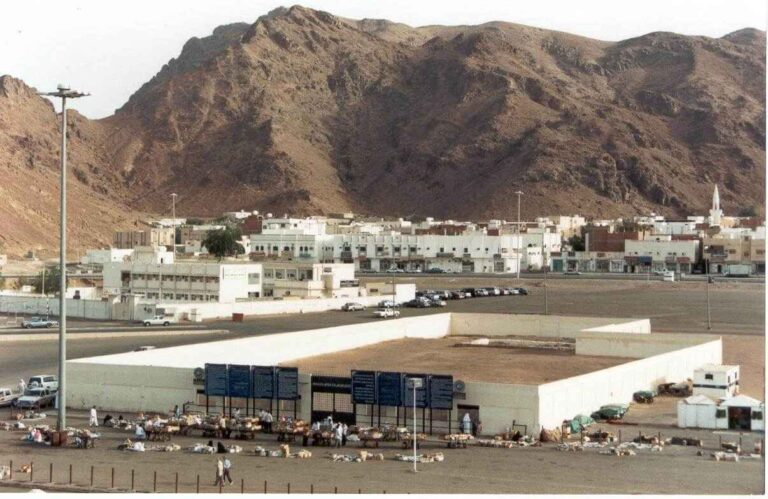
Tucked into the slope of Mount Uhud, a short distance north of Masjid an-Nabawi, the Cave of Mount Uhud — known in Arabic as Ghar Uhud – is one of the most visited historical stops in Madinah. It marks the spot where the Prophet Muhammad ﷺ is believed to have taken shelter after being wounded during the Battle of Uhud. Today, the cave’s opening is sealed for preservation, but the site remains a meaningful stop for pilgrims and visitors tracing the events of this important battle.
This guide explains what the Cave of Uhud actually is, its historical background, what visitors can (and cannot) do there today, and how to plan a visit as part of a wider Madinah Ziyarat trip.
What Is the Cave of Mount Uhud?

The Cave of Mount Uhud is a naturally formed cave on the side of Jabal Uhud, facing the direction of Masjid an-Nabawi. According to accounts passed down through Islamic history, it is the place where the Prophet ﷺ sought refuge after being struck and injured during the Battle of Uhud in 3 AH (625 CE). Tradition holds that he was carried there by his companion Talha ibn Ubaydullah.
It’s worth noting, as historical resources on the subject point out, that some details about specific locations from this era are based on tradition passed down over centuries, and precise physical details can vary slightly between sources. What is consistently agreed upon is the cave’s association with this moment in the Battle of Uhud and its place within the broader Uhud battlefield, which remains one of the most significant historical sites connected to early Islamic history.
The Historical Background: The Battle of Uhud

The Battle of Uhud was the second major battle between the early Muslim community of Madinah and the Quraysh of Makkah, fought in the shadow of Mount Uhud. After early gains, the battle turned against the Muslims when a group of archers left their position on a nearby hill, and the Muslim army suffered heavy losses. Commonly cited accounts put the number of Muslim martyrs at around 70, including Hamza ibn Abdul Muttalib, the Prophet’s uncle, who is remembered as the “Master of Martyrs” (Sayyid al-Shuhada). The Prophet ﷺ himself was wounded during the fighting, and it is this moment that is connected to the cave.
The Prophet ﷺ is reported to have described Mount Uhud with affection, saying it was a mountain that “loves us and we love it” — a saying often quoted by guides and visitors alike, and one reason the mountain and its cave hold such emotional resonance for pilgrims today.
Because this is a historical and religious topic, it’s worth approaching the details with care: some narrations and exact locations have been passed down through tradition rather than formal archaeological documentation, and Islamic reference sources themselves note that certain sites are “commonly believed” locations rather than certainties. Visitors should treat the experience as one of historical reflection rather than a place with confirmed religious obligation attached to it – visiting Uhud is a matter of local custom and historical interest, not a requirement of Umrah or Hajj.
Can You Enter the Cave of Uhud Today?
This is one of the most common questions visitors have, and the direct answer is: no, the cave itself is not open for entry. The opening has been sealed for preservation and safety, and the Madinah Municipality has fenced the surrounding area to protect the site. Visitors can walk up to the cave, see its sealed entrance, read the informational signage nearby, and stand at the location associated with this part of the Battle of Uhud — but they cannot go inside.
For many visitors, this doesn’t reduce the significance of the visit. Being at the physical location, understanding the historical context, and reflecting on the events of the battle is the main purpose of the stop.
Where Is the Cave of Uhud Located?
The cave sits on the slope of Mount Uhud, on the northern edge of Madinah. Different sources describe the distance from Masjid an-Nabawi somewhat differently – figures ranging from roughly 5 to 10+ kilometers appear across various travel resources, likely depending on the exact route and starting point measured. Because of this variation, it’s more useful to think of it as a short drive north of the city center rather than rely on one fixed number; travel time will also depend on traffic and the specific route taken.
Reaching the cave itself involves a walk from the parking and access area up part of the mountain slope, over uneven, rocky terrain. It is not a technical climb, but sturdy, closed shoes are recommended.
What Else to See Near the Cave of Uhud
The Cave of Uhud is rarely visited in isolation – most Ziyarat itineraries treat the wider Uhud site as one stop covering several connected locations:
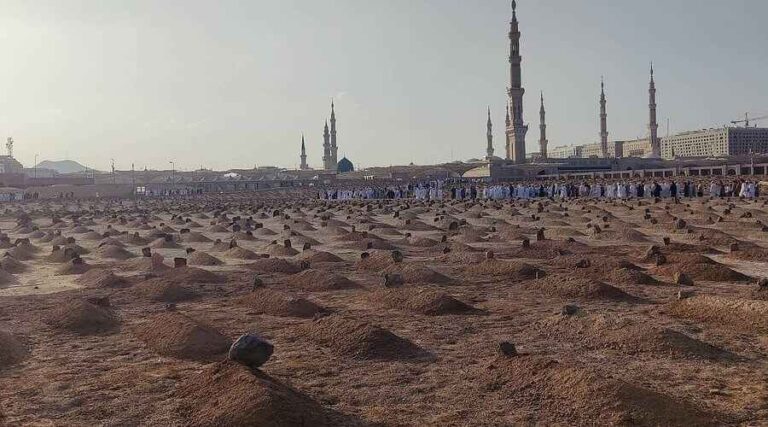
- Martyrs’ Cemetery (Shuhada Uhud): The resting place of the companions who lost their lives in the battle, including Hamza ibn Abdul Muttalib. Many visitors pause here to reflect and offer supplication.
- Archers’ Hill (Jabal al-Rumah): The small hill where the Prophet ﷺ positioned a group of archers during the battle. It’s a short, easy climb with wide views over the surrounding area.
- Al-Fasah Mosque: Marks the location where the Prophet ﷺ is said to have prayed during the events of the battle. Only a small portion of the original structure remains today, alongside more modern surroundings.
Because these stops are spread across the same general area, visiting them together as one combined Uhud Ziyarat — rather than as separate trips — is the most practical approach for most travelers.
Best Time to Visit
Madinah has a hot desert climate for much of the year, and Mount Uhud offers little shade across most of the site. Early morning or late afternoon visits are generally more comfortable than midday, particularly between late spring and early autumn when temperatures rise significantly. Winter months (roughly November to March) tend to bring milder weather, which many visitors find more comfortable for the walking involved.
During Ramadan and peak Hajj or Umrah seasons, the site can be significantly busier, and travel times to and from central Madinah may be longer due to traffic. Travelers visiting during these periods may want to build extra time into their schedule.
Visiting the Cave of Uhud with Family, Elderly Travelers, or a Group
The terrain around the cave – uneven ground, some incline, and limited shade – is a genuine consideration for families with young children, elderly travelers, or anyone with mobility concerns. A few practical points:
- The walk to the cave itself involves some uphill, rocky terrain; comfortable, closed footwear is important.
- Water and sun protection (hat, light clothing) are worth carrying, especially outside the cooler months.
- Groups visiting multiple Uhud-area stops in one outing (cave, cemetery, Archers’ Hill, Al-Fasah Mosque) will generally need more time than a quick single-site stop, so it helps to plan the visit as part of a broader half-day or full-day itinerary rather than rushing between points.
For families, elderly visitors, or groups traveling together, private transportation can make this kind of multi-stop visit considerably easier, since it removes the need to coordinate around public transport schedules or walk long distances between stops in the heat.
How to Get to the Cave of Uhud
Visitors generally reach Mount Uhud by road from central Madinah, whether from a hotel near Masjid an-Nabawi or elsewhere in the city. Since the cave is one part of a wider site that also includes the Martyrs’ Cemetery, Archers’ Hill, and Al-Fasah Mosque, many visitors combine the Uhud stop with other Ziyarat locations in the same trip, such as the Seven Mosques area or Quba Mosque, depending on their itinerary and available time.
Visitors looking for private transportation can contact Madinah Ziyarat Taxi through WhatsApp at +966 57 4915 372 to ask about availability, vehicle options, hotel pickup, and a customized Ziyarat itinerary that includes Mount Uhud alongside other historical sites. A private vehicle can also be useful for families or groups who want to avoid multiple transfers between stops.
Visitor Etiquette and Practical Tips
- Treat the site, especially the Martyrs’ Cemetery, with quiet respect — it is a place of remembrance, not primarily a photography stop.
- Photography around the cemetery and prayer areas should be done thoughtfully and respectfully.
- Litter should be carried out; the site is maintained by local authorities and visitors are asked to help keep it clean.
- Since the cave itself is sealed, don’t expect a walk-through experience — the value of the visit is historical and reflective rather than physically exploratory.
- Confirm any timing, entry conditions, or access details in advance if traveling during a major seasonal period, since conditions can vary.
FAQs
1. What is the Cave of Mount Uhud?
It is a natural cave on the slope of Jabal Uhud in Madinah, historically associated with the Prophet Muhammad ﷺ taking shelter there after being wounded in the Battle of Uhud.
2. Can visitors enter the Cave of Uhud?
No. The cave’s opening is sealed for preservation, and the area is fenced. Visitors can see the site and its entrance but cannot go inside.
3. How far is the Cave of Uhud from Masjid an-Nabawi?
It is a short drive north of central Madinah. Exact distance figures vary between sources depending on the route measured, so it’s best treated as an approximate short trip rather than a fixed number.
4. Why is the Battle of Uhud significant in Islamic history?
It was the second major battle between the early Muslim community and the Quraysh of Makkah, and it resulted in significant losses for the Muslims, including the death of Hamza ibn Abdul Muttalib, the Prophet’s uncle.
5. Is visiting the Cave of Uhud religiously obligatory?
No. Visiting Mount Uhud and its cave is a matter of historical interest and local custom for pilgrims, not a religious requirement of Umrah or Hajj.
6. What else is located near the Cave of Uhud?
The Martyrs’ Cemetery (Shuhada Uhud), Archers’ Hill (Jabal al-Rumah), and Al-Fasah Mosque are all in the same general area and are commonly visited together.
7. Is the walk to the cave difficult?
It involves walking over uneven, rocky ground with some incline. It is not a technical climb, but comfortable footwear is recommended, and it may be more demanding for elderly visitors or young children.
8. What is the best time of day to visit Mount Uhud?
Early morning or late afternoon are generally more comfortable, especially outside the winter months, since there is limited shade across the site.
9. Is Mount Uhud busy during Ramadan or Hajj season?
It can be significantly busier during these periods, and travel times to and from the site may be longer due to traffic.
10. Can I visit the Cave of Uhud as part of a wider Ziyarat trip?
Yes. Most visitors combine it with other Uhud-area stops and sometimes with other Madinah Ziyarat sites in the same outing.
11. Is private transportation useful for visiting Mount Uhud?
For families, elderly travelers, or groups, private transportation can make it easier to reach the site and combine it with other Ziyarat stops without relying on public transport schedules.
12. Can a private taxi pick visitors up from their hotel for a Mount Uhud visit?
Services such as Madinah Ziyarat Taxi offer hotel pickup as part of private Ziyarat trips; visitors can confirm arrangements directly via WhatsApp.
13. How can I book a Ziyarat taxi to Mount Uhud?
Visitors can contact Madinah Ziyarat Taxi via WhatsApp at +966 57 4915 372 to ask about availability, vehicle options, and itinerary planning.
14. Are there facilities like restaurants near Mount Uhud?
The wider Uhud area has seen development over the years, and there are dining options nearby, though specific offerings can change, so it’s worth checking current options locally.