Bir Uthman (Well of Uthman): History, Location, and Ziyarat Guide
Bir Uthman, also known as Bir Rumah (the Well of Rumah), is a historic well in Madinah purchased by Uthman ibn Affan (RA) so that the Muslim community could draw water free of charge. It is widely regarded as one of the earliest examples of waqf (Islamic charitable endowment) and remains an active endowment today, located northwest of Masjid an-Nabawi in the Wadi al-Aqiq area.
For visitors exploring Madinah’s Islamic heritage sites, Bir Uthman is one of the lesser-visited but historically significant stops – a place that tells a story of generosity rather than a site defined by architecture or ritual. This guide covers its history, its exact significance, where it is located, and what to know before visiting.
What Is Bir Uthman (Well of Uthman)?
Bir Uthman (بئر عثمان) – also called Bir Rumah or the Well of Rumah – is a water well associated with the early years of the Muslim community in Madinah, shortly after the Prophet Muhammad ﷺ and his companions migrated from Makkah. At that time, most of the water sources around Madinah were brackish or unpleasant to drink. The one well known for sweet, palatable water belonged to a man from the tribe of Bani Ghifar, who sold its water at a price many of the newly arrived Muslims, who had little wealth, could not easily afford.
The Prophet ﷺ is reported to have asked who would purchase the well and dedicate it for the free use of the Muslim community, in exchange for a reward in Paradise. Uthman ibn Affan (RA), a wealthy companion known for his generosity, undertook the purchase. Some historical accounts describe him buying the well outright, while others describe him first acquiring a share of it before securing full ownership; sources are not fully uniform on the exact commercial terms. What is consistently recorded is the outcome: Uthman made the well’s water freely available to the people of Madinah.
The History: Why Uthman Ibn Affan Purchased the Well
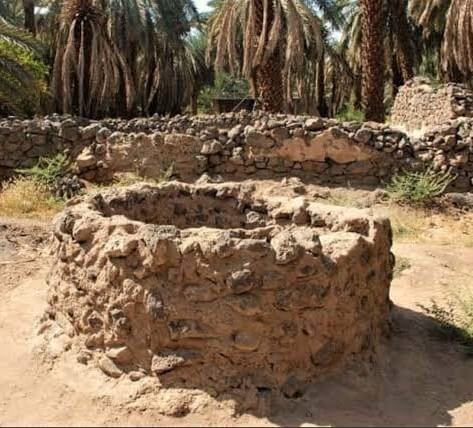
This episode is preserved in hadith literature, including narrations found in Sahih al-Bukhari and Jami’ at-Tirmidhi, where the Prophet ﷺ is reported to have said, in essence, that whoever purchases the well of Rumah and shares its water with the Muslims will be rewarded with something better in Paradise. Uthman (RA) is recorded as later recalling this incident himself, during a difficult period late in his life, as a reminder of the service he had rendered to the community.
It’s worth noting for readers interested in the historical record: as with many early Islamic narrations, some secondary details — such as the exact price paid or whether the well was purchased in full or in installments — vary between historical sources. The core narrative, however, is well attested and widely cited by Islamic scholars and historians alike.
Bir Uthman as the First Waqf in Islam
Because Uthman (RA) dedicated the well permanently for public benefit rather than retaining private ownership, Bir Uthman is frequently cited as one of the earliest — and among the most enduring — examples of waqf in Islamic history. A waqf is a charitable endowment in which an asset is set aside so that its benefit continues indefinitely, a concept that later became foundational to Islamic charitable and civic institutions such as public wells, mosques, schools, and hospitals.
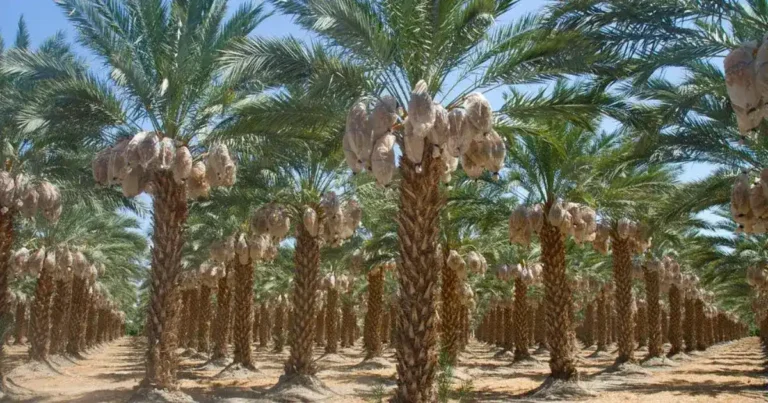
Historical accounts indicate that the endowment tied to Bir Uthman, including surrounding agricultural land, has continued to generate charitable benefit for centuries, administered through successive waqf authorities and, more recently, under the care of Saudi endowment institutions. This continuity is part of why the site is often described as a living example of sadaqah jariyah — ongoing charity that continues to benefit others long after the original act.
Where Is Bir Uthman Located?
Bir Uthman sits northwest of Masjid an-Nabawi, in the area historically known as Wadi al-Aqiq (or Al-Aqiq al-Asghar). Distance estimates from the Prophet’s Mosque vary between sources, generally ranging from around 5 to 7 kilometers, so visitors should treat this as an approximate figure rather than an exact measurement. The site is situated in a residential and agricultural district away from the dense cluster of Ziyarat sites closer to the Haram, such as Quba Mosque or the Qiblatain Mosque.
Because it sits at a distance and outside the main walkable Ziyarat area, most visitors reach Bir Uthman by taxi or private vehicle rather than on foot.
Clearing Up a Common Confusion: The Well vs. the Waqf Uthman Hotel
Visitors researching Bir Uthman online will often come across mentions of the “Waqf Uthman ibn Affan Hotel,” a property located north of Masjid an-Nabawi, much closer to the Haram than the historic well site. It’s a common misconception that this hotel is physically part of the original Bir Rumah property. According to historical research on Madinah’s endowments, the hotel is actually associated with a separate, later endowment — reportedly established by charitable donors and named in honor of Uthman ibn Affan out of reverence, rather than being the historic well site itself.
If your interest is specifically in visiting the historic well and its associated waqf grounds, it’s worth confirming your destination in advance, since the two locations are geographically distinct.
What Visitors Can Expect Today
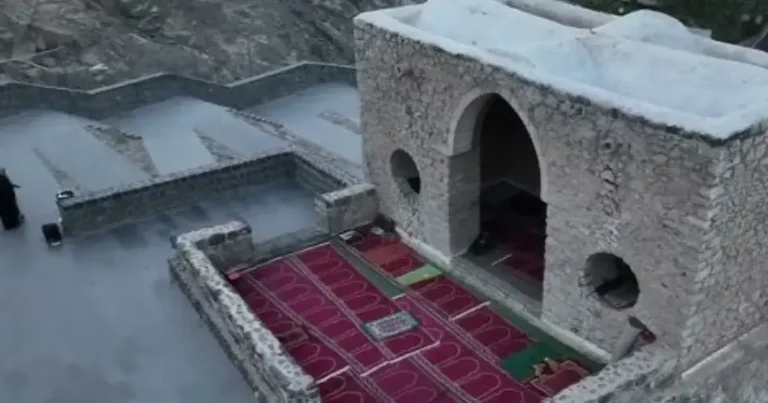
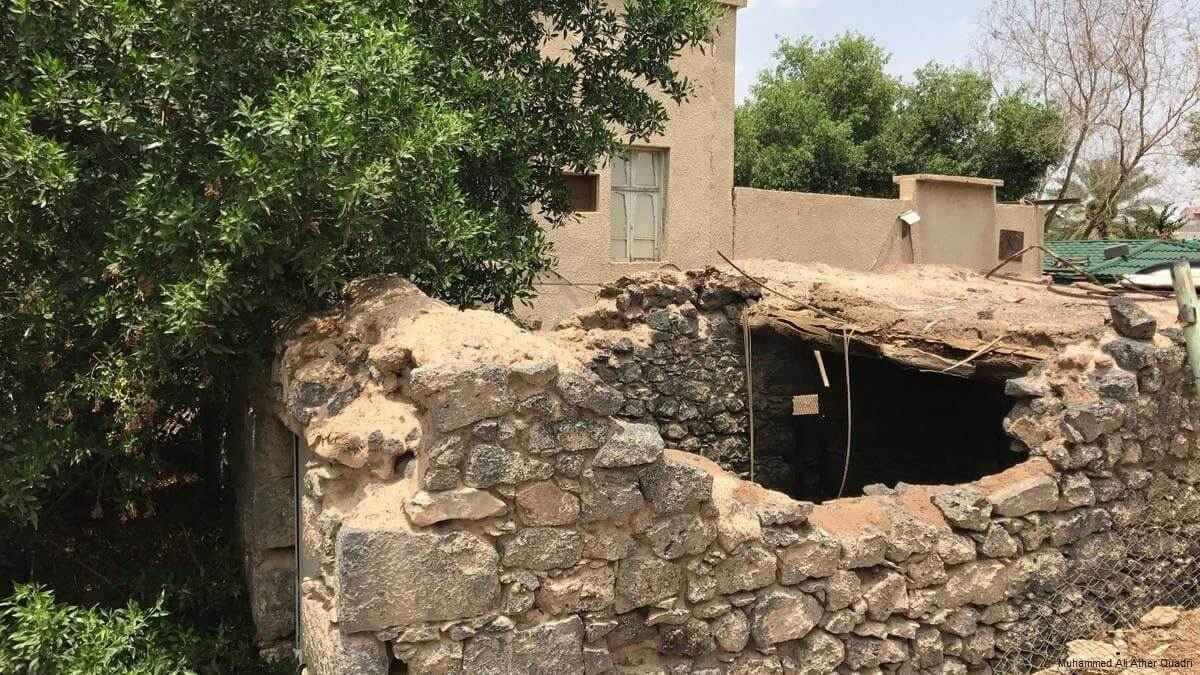
Bir Uthman is not a mosque or a major tourist attraction in the way Masjid an-Nabawi or Quba Mosque are. Visitors generally describe it as a modest, fenced heritage site with signage explaining its history, along with surrounding land connected to the ongoing waqf. It’s a meaningful stop for those interested in Islamic history and the concept of waqf, rather than a site with elaborate facilities.
As with any heritage or endowment site, access arrangements, opening times, and visiting conditions can change, so it’s worth checking current information locally or with your accommodation before planning a visit.
Visiting Bir Uthman as Part of a Madinah Ziyarat Trip
Because Bir Uthman is located apart from the main cluster of central Ziyarat sites, it works best as part of a planned, multi-stop itinerary rather than a standalone walking visit. Many visitors choose to combine it with other historical locations on the same trip – for example, sites connected to early Islamic history in the wider Madinah area – rather than visiting it in isolation.
This is one of the practical reasons some visitors prefer private transportation for Ziyarat: it allows a flexible route between sites that aren’t within easy walking distance of each other or of the hotel, without depending on public transport schedules. Madinah Ziyarat Taxi offers private Ziyarat trips that can be arranged around a visitor’s own pace and interests, including stops that are further from the central Haram area such as Bir Uthman.
Practical Tips for Visitors
- Time your visit for cooler hours. Like most outdoor heritage sites in Madinah, early morning or late afternoon is generally more comfortable than midday, particularly in summer.
- Confirm access before you go. As a heritage and endowment site rather than a mosque, opening arrangements can vary, so it helps to check current status locally.
- Dress and behave respectfully. Although Bir Uthman is not a place of worship, it holds religious and historical significance, so visitors are encouraged to treat the site with the same respect shown at other Islamic heritage locations.
- Plan it alongside other stops. Given the distance from central Madinah, most visitors find it more practical to include Bir Uthman within a broader half-day or full-day Ziyarat itinerary rather than a single dedicated trip.
- Carry water and sun protection, especially during warmer months or Hajj/Umrah peak seasons when outdoor walking and waiting can add up.
Getting There: Transportation Options
Public transport coverage to sites like Bir Uthman, which lie outside the central Haram district, can be limited or indirect. Because of this, many pilgrims and visitors – particularly families, elderly travelers, and groups — choose a private taxi or private driver for this part of their Ziyarat.
A private Ziyarat taxi offers a few practical advantages for a site like this one:
- Hotel pickup and drop-off, removing the need to arrange transport in stages
- Flexible timing, so the stop can be scheduled for cooler parts of the day
- Easy combination with other historical sites, since the vehicle can move between multiple stops on one custom itinerary
- Comfortable seating for families or groups, useful given the site’s distance from the city center
Vehicle choice generally depends on group size and comfort preferences – a sedan such as a Toyota Camry suits smaller groups or couples, while a van such as a Toyota Hiace or Hyundai Staria, or an SUV like a GMC Yukon, can be a more comfortable option for families or larger groups traveling together with luggage.
Visitors looking for private transportation to Bir Uthman and other Madinah Ziyarat sites can contact Madinah Ziyarat Taxi through WhatsApp at +966 57 4915 372 to ask about availability, vehicle options, and a customized itinerary.
FAQs
1. What is Bir Uthman?
Bir Uthman, also known as Bir Rumah or the Well of Rumah, is a historic well in Madinah that Uthman ibn Affan (RA) purchased so the Muslim community could use its water free of charge. It is widely cited as one of the earliest examples of waqf in Islamic history.
2. Why is Bir Uthman significant?
It represents an early and enduring act of charity in Islamic history. The Prophet ﷺ is reported to have promised a reward in Paradise for whoever purchased the well for the community, and Uthman ibn Affan (RA) is recorded as the one who did so.
3. Where is Bir Uthman located?
It is located northwest of Masjid an-Nabawi, in the Wadi al-Aqiq area of Madinah. Reported distances from the Prophet’s Mosque vary by source, generally cited as roughly 5 to 7 kilometers.
4. Is Bir Uthman the same as the Waqf Uthman ibn Affan Hotel?
No. The hotel of the same name is located much closer to Masjid an-Nabawi and, according to historical research, is tied to a separate, later endowment named in Uthman’s honor — not the original well property.
5. Can visitors go inside Bir Uthman?
The site is generally described as a modest, fenced heritage location with informational signage. Access arrangements can vary, so it’s worth checking current conditions before visiting.
6. Is Bir Uthman within walking distance of Masjid an-Nabawi?
Given the reported distance of several kilometers, most visitors travel there by taxi or private vehicle rather than on foot.
7. What is a waqf, and why does it matter for Bir Uthman?
A waqf is a permanent Islamic charitable endowment. Bir Uthman is frequently described as one of the earliest waqf assets in Islam, and accounts indicate its associated endowment has continued generating charitable benefit for centuries.
8. Can I combine a visit to Bir Uthman with other Madinah Ziyarat sites?
Yes. Many visitors include it as one stop within a broader half-day or full-day Ziyarat itinerary, since it sits apart from the central cluster of sites near the Haram.
9. Is private transportation useful for visiting Bir Uthman?
It can be, particularly because the site is outside the central walkable Ziyarat area and public transport options may be limited. A private taxi allows door-to-door travel and flexible scheduling.
10. Can a Ziyarat taxi pick me up from my hotel for this trip?
Yes, hotel pickup is a standard part of most private Ziyarat taxi services, including trips that include stops like Bir Uthman.
11. What vehicle is suitable for visiting Bir Uthman with a family or group?
For families or groups, a van (such as a Toyota Hiace or Hyundai Staria) or an SUV (such as a GMC Yukon) is generally more comfortable than a standard sedan, particularly if the itinerary includes multiple stops.
12. Is there a fixed price for visiting Bir Uthman?
There is no publicly fixed entry price to report here; visitors should treat any pricing or access information as subject to change and confirm current details locally.
13. How do I contact Madinah Ziyarat Taxi to arrange a trip to Bir Uthman?
You can reach Madinah Ziyarat Taxi via WhatsApp at +966 57 4915 372 to ask about availability, vehicle options, and building a custom Ziyarat itinerary that includes Bir Uthman.
14. Is the story of Bir Uthman found in authentic hadith sources?
Yes, the core narrative – the Prophet’s ﷺ appeal for someone to purchase the well and Uthman’s (RA) purchase of it – is recorded in hadith collections including Sahih al-Bukhari, though some secondary historical details vary between sources.