Battle of Uhud: History and Visitor Guide
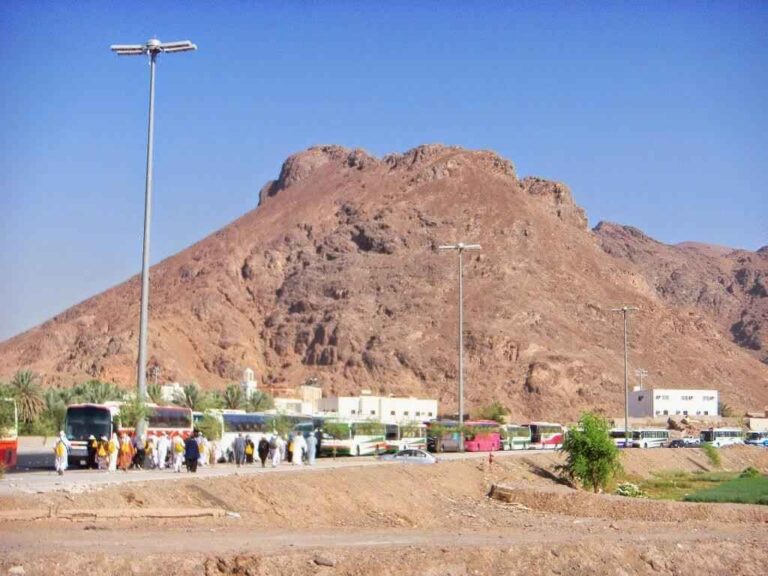
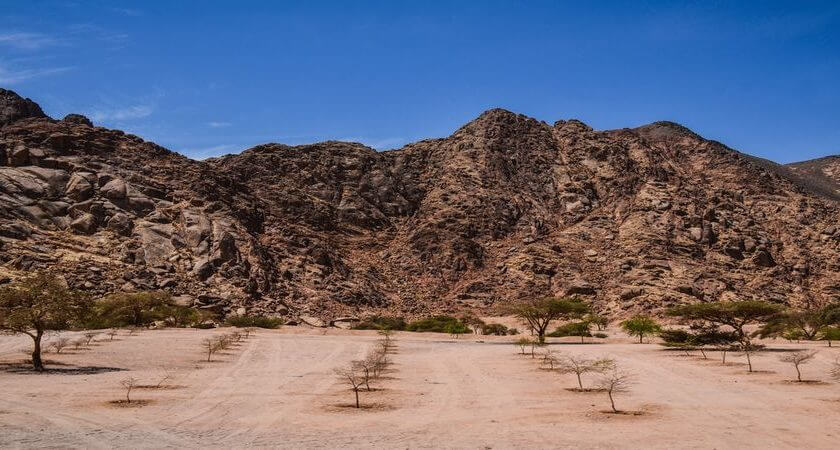
Mount Uhud rises on the northern edge of Madinah, and for anyone learning about early Islamic history, it is one of the most significant sites in the city outside of Masjid an-Nabawi itself. This guide explains what happened at the Battle of Uhud, where the Cave of Mount Uhud is located and what it means, and what visitors today should know before planning a Ziyarat trip to the area.
What Was the Battle of Uhud?
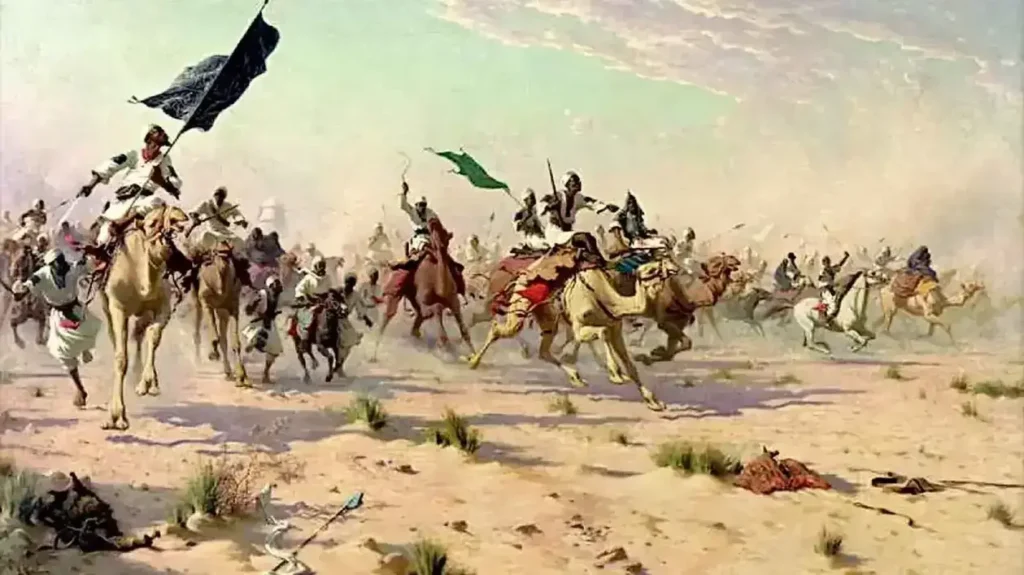
The Battle of Uhud was fought in the third year after the Hijrah (3 AH), roughly a year after the Battle of Badr, between the early Muslim community of Madinah and the Quraysh of Makkah. It took place in the valley beside Mount Uhud, just north of the city.
Why the Battle Happened
After their defeat at Badr, the Quraysh gathered a large force to march on Madinah and confront the Muslims directly. Accounts describe the Quraysh army as considerably larger than the Muslim defenders, while the Muslim side numbered several hundred after a portion of the force withdrew before the fighting began.
How the Battle Unfolded
Prophet Muhammad ﷺ positioned a group of archers on a small hill to guard the Muslim army’s rear and instructed them clearly to hold their position regardless of how the battle appeared to be going. In the early stages of the fighting, the Muslim forces gained the upper hand and the Quraysh lines began to fall back.
The Turning Point: The Archers’ Hill
As the Quraysh appeared to retreat, many of the archers believed the battle was won and left their position to gather spoils, against the Prophet’s ﷺ explicit instruction. This left the Muslim rear exposed, and Khalid ibn al-Walid — commanding the Quraysh cavalry at the time — led a counterattack through the gap. The battle turned sharply, and the Muslim army suffered heavy losses, including the deaths of several prominent companions, among them Hamza ibn Abdul Muttalib, the Prophet’s ﷺ uncle, and Mus’ab ibn Umair. Historical sources generally record around 70 Muslims killed at Uhud, while Quraysh losses were considerably fewer. The battle is remembered in Islamic tradition as a lesson in discipline and obedience rather than simply a military defeat.
Where Is the Cave of Mount Uhud (Ghar Uhud)?
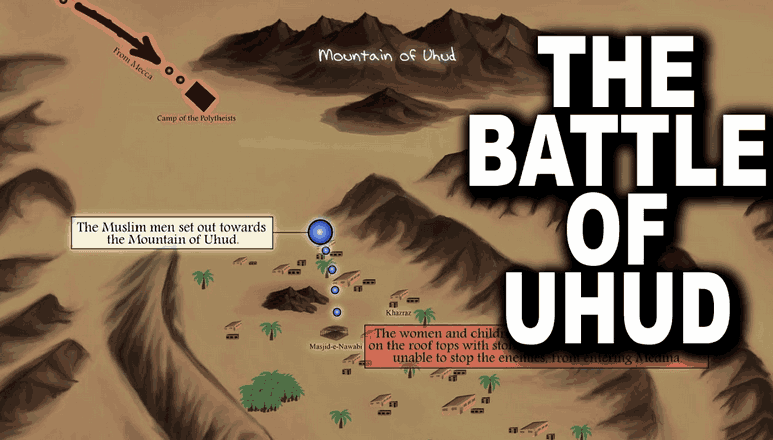
The Cave of Mount Uhud, known in Arabic as Ghar Uhud, is a naturally formed opening on the slope of Mount Uhud facing the direction of Masjid an-Nabawi. It sits close to the area where the fiercest fighting took place and near the Martyrs’ Cemetery at the foot of the mountain.
What Happened at the Cave
According to widely repeated accounts, after being wounded during the battle, the Prophet ﷺ was carried by his companion Talha ibn Ubaydullah to this sheltered spot on the mountainside to recover and regroup with his remaining companions. It is one of the reasons the mountain and its surrounding sites carry such weight in the story of Uhud — not only as a battlefield, but as the place where the wounded were sheltered and the community regrouped after a difficult day.
As with many sites tied to early Islamic history, some specific details are transmitted through tradition rather than formal historical record, and the precise physical cave pointed to by local guides today is the commonly accepted location rather than an officially verified archaeological site.
Can Visitors Enter the Cave Today?
Most visitors view the cave and the surrounding rock formations from the base of the mountain rather than entering or climbing to the opening itself. Access can vary depending on local regulations, site conditions, and time of year, so visitors should not assume the cave is open for entry and should follow any barriers, signage, or instructions from site authorities on the day of their visit.
The Uhud Martyrs’ Cemetery
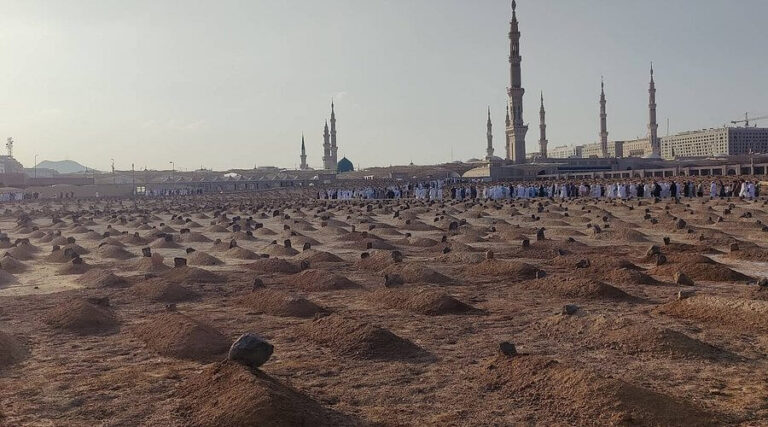
At the foot of the mountain lies the resting place of the companions who died at Uhud, most notably Hamza ibn Abdul Muttalib. The cemetery is enclosed, and visitors typically view it from designated areas outside the boundary rather than entering the burial ground itself. It remains one of the most visited Ziyarat points in Madinah because of its direct connection to the events of the battle.
Why Uhud Still Matters to Visitors Today
For many Umrah and Hajj pilgrims, visiting Uhud is not a religious obligation but a way to connect with a formative moment in early Islamic history — the same way visiting Masjid Quba or the Seven Mosques adds historical context to a Madinah trip. Uhud is frequently referenced in the Seerah and in hadith literature, which is part of why it continues to draw visitors from around the world.
Planning a Visit to Uhud From Madinah
Distance and Location
Mount Uhud lies a short distance north of central Madinah and Masjid an-Nabawi. Exact travel time depends on traffic, time of day, and starting location, so it is best treated as a variable rather than a fixed number when planning a schedule.
Best Time to Visit
Many visitors prefer to go in the cooler parts of the day, particularly during the hotter months, since the site is largely outdoors with limited shade. During Ramadan and peak Umrah or Hajj periods, the area can be busier, so allowing extra time is sensible.
What to Expect at the Site
Uhud is an open, rocky, outdoor site. Visitors should expect uneven ground, limited shade, and walking between the viewing areas for the cemetery and the mountainside. It is not a fully paved or fully accessible site in every section, which is worth knowing in advance for elderly visitors or anyone with mobility considerations.
Getting to Uhud: Transportation Options
Uhud is outside the immediate area around Masjid an-Nabawi, so most visitors need dedicated transportation to reach it rather than walking. Public transport options are limited compared to the flexibility of a private vehicle, which is one reason many visitors arrange private Ziyarat transportation for this stop.
Private transportation allows visitors to travel directly from their hotel to Uhud and combine the visit with other nearby Ziyarat locations without depending on fixed schedules. For visitors planning a half-day or full-day Ziyarat covering Uhud alongside sites such as Quba Mosque or the Seven Mosques, a private vehicle also makes it easier to adjust the order of stops based on prayer times, heat, or how much time is needed at each location.
Visitors looking for private transportation can contact Madinah Ziyarat Taxi through WhatsApp at +966 57 4915 372 to ask about availability, vehicle options, pickup arrangements, or a customized Ziyarat itinerary that includes Uhud.
Visiting Uhud With Family, Elderly Travelers, or a Group
Because the site involves walking on uneven, open ground, families with young children and elderly travelers often benefit from a vehicle that can wait nearby or reposition easily rather than relying on a fixed drop-off point far from the site. For larger families or groups, a van-style vehicle can keep everyone together for the trip out to Uhud and back, while a sedan may suit a couple or a small family better. The right choice depends on group size and comfort needs rather than one option being universally best.
Visitor Etiquette at Uhud
- Dress modestly and comfortably, as the site involves walking outdoors.
- Carry water, especially in warmer months, as shaded rest areas are limited.
- Be respectful and quiet near the Martyrs’ Cemetery.
- Avoid climbing on restricted rock formations or entering areas marked off by barriers.
- Be mindful when taking photographs, particularly of other visitors.
- Follow any instructions from site staff or signage regarding cave access.
FAQs
1. What was the Battle of Uhud?
The Battle of Uhud was fought in 3 AH near Mount Uhud in Madinah between the early Muslim community and the Quraysh of Makkah, following the earlier Battle of Badr.
2. When did the Battle of Uhud take place?
It took place in the third year after the Hijrah, roughly a year after Badr.
3. Why did the Muslims face difficulty at Uhud despite early success?
A group of archers left their assigned position on a hill to gather spoils after believing the battle was won, which exposed the Muslim rear to a cavalry counterattack.
4. Where is the Cave of Mount Uhud located?
It is on the slope of Mount Uhud facing Masjid an-Nabawi, near the area associated with the heaviest fighting and close to the Martyrs’ Cemetery.
5. What happened at the Cave of Mount Uhud?
Tradition holds that the Prophet ﷺ was brought to this sheltered spot after being wounded during the battle to recover with his companions.
6. Can visitors go inside the Cave of Mount Uhud?
Most visitors view the cave from the base of the mountain rather than entering it; access can vary, so visitors should follow on-site guidance.
7. Who is buried at the Uhud Martyrs’ Cemetery?
The cemetery holds the companions who died at Uhud, most notably Hamza ibn Abdul Muttalib, the Prophet’s ﷺ uncle.
8. How far is Mount Uhud from Masjid an-Nabawi?
It is a short distance north of central Madinah; exact travel time varies with traffic and starting point.
9. Is visiting Uhud a religious requirement for Umrah or Hajj?
No. Visiting Uhud is a historical and educational Ziyarat, not an obligatory ritual of Umrah or Hajj.
10. Can I visit Uhud on the same trip as other Ziyarat sites?
Yes, many visitors combine Uhud with sites such as Quba Mosque or the Seven Mosques in a half-day or full-day Ziyarat itinerary.
11. Is Uhud suitable for elderly visitors or young children?
It can be visited by most travelers, but the ground is uneven and shade is limited, so planning around heat and mobility needs is advisable.
12. Can I book a private taxi to Uhud from my Madinah hotel?
Yes, private Ziyarat taxis, including Madinah Ziyarat Taxi, offer hotel pickup and drop-off for visits to Uhud and other historical sites.
13. What should I bring when visiting Uhud?
Comfortable clothing, water, and modest dress are recommended, since the site is outdoors with limited facilities.
14. Is Uhud crowded during Ramadan or Hajj season?
It can be busier during peak Umrah and Hajj periods, so allowing extra time is a good idea.
15. How do I arrange transportation for a Ziyarat trip that includes Uhud?
Visitors can contact Madinah Ziyarat Taxi via WhatsApp at +966 57 4915 372 to discuss pickup times, vehicle options, and a custom Ziyarat route.