Masjid Areesh (Badr Mosque): History, Location, and How to Visit from Madinah
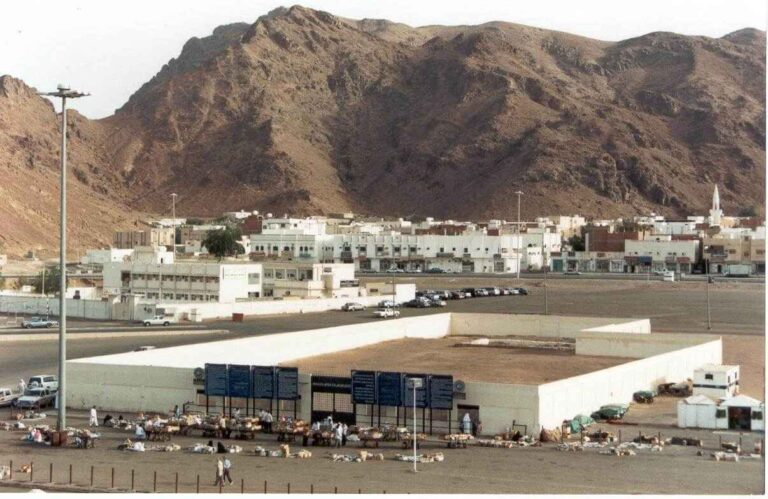
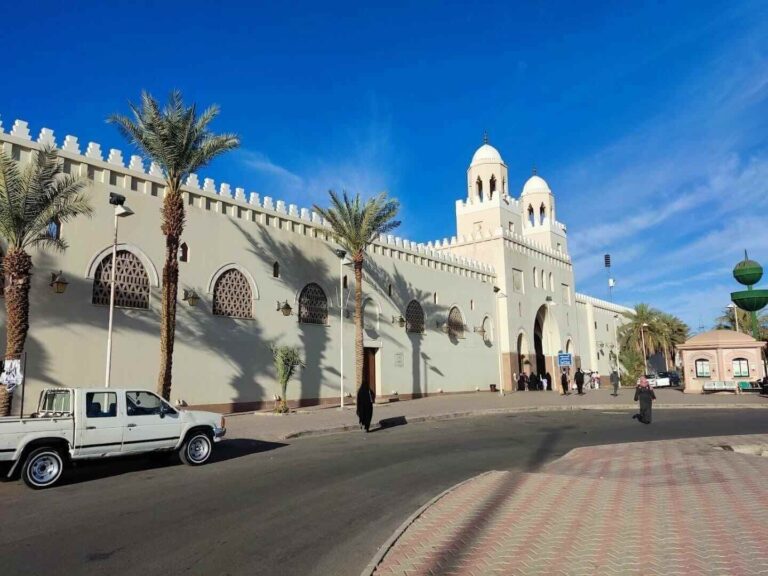
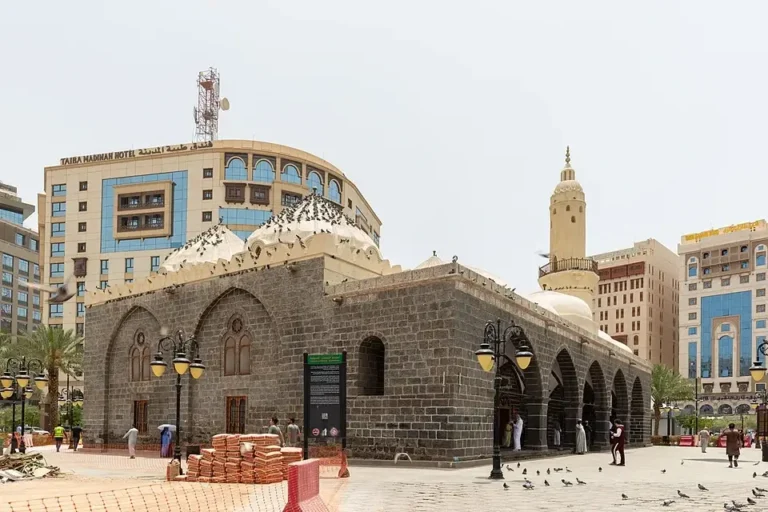
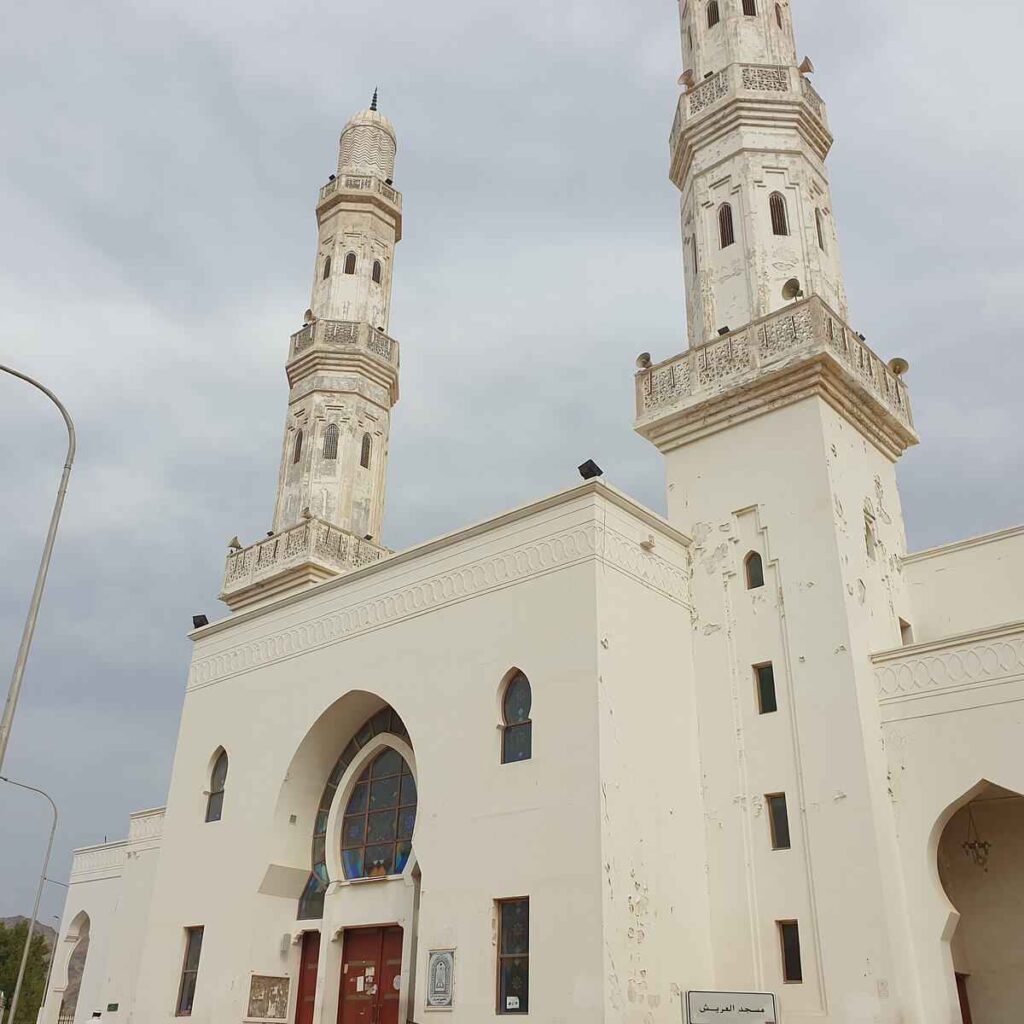
Masjid Areesh, often referred to simply as the “Badr mosque,” marks the spot associated with one of the most significant events in early Islamic history – the command post of the Prophet Muhammad ﷺ during the Battle of Badr. For visitors interested in Islamic history beyond Madinah’s city-center Ziyarat sites, Masjid Areesh and the surrounding Badr battlefield offer a meaningful, if less commonly visited, historical excursion.
This guide explains what Masjid Areesh is, the history behind it, where it is located in relation to Madinah, and what to know if you’re planning to visit.
What Is Masjid Areesh (the Badr Mosque)?
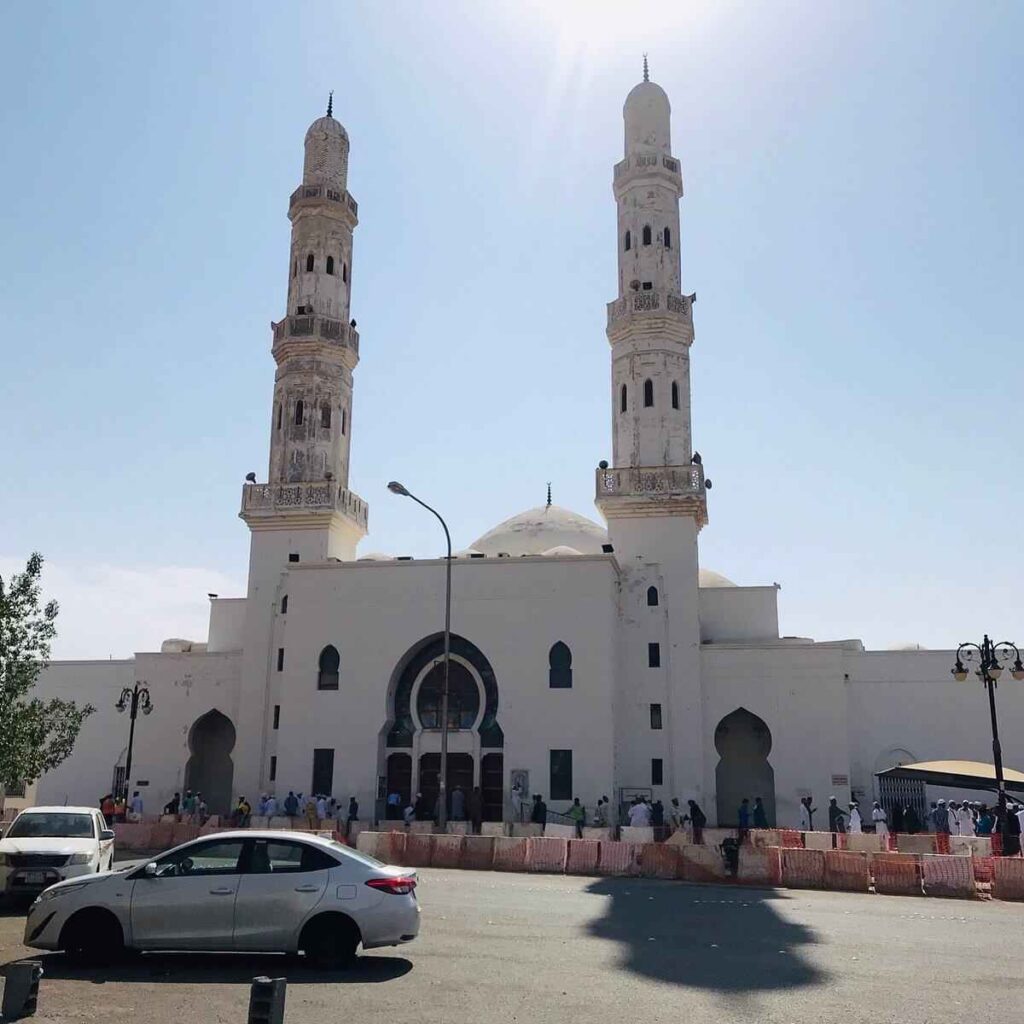
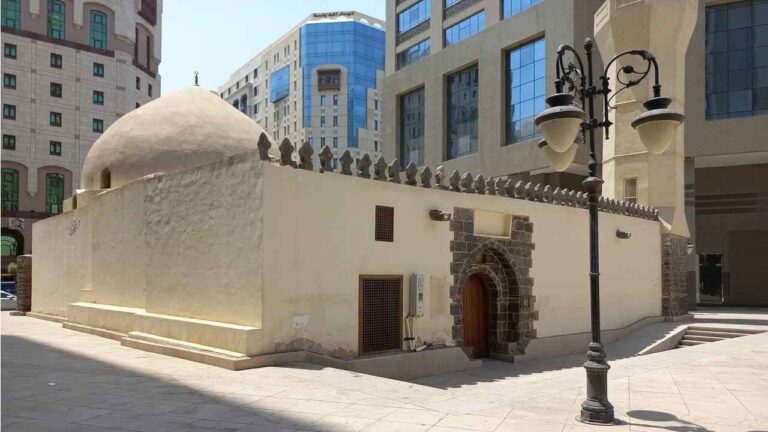
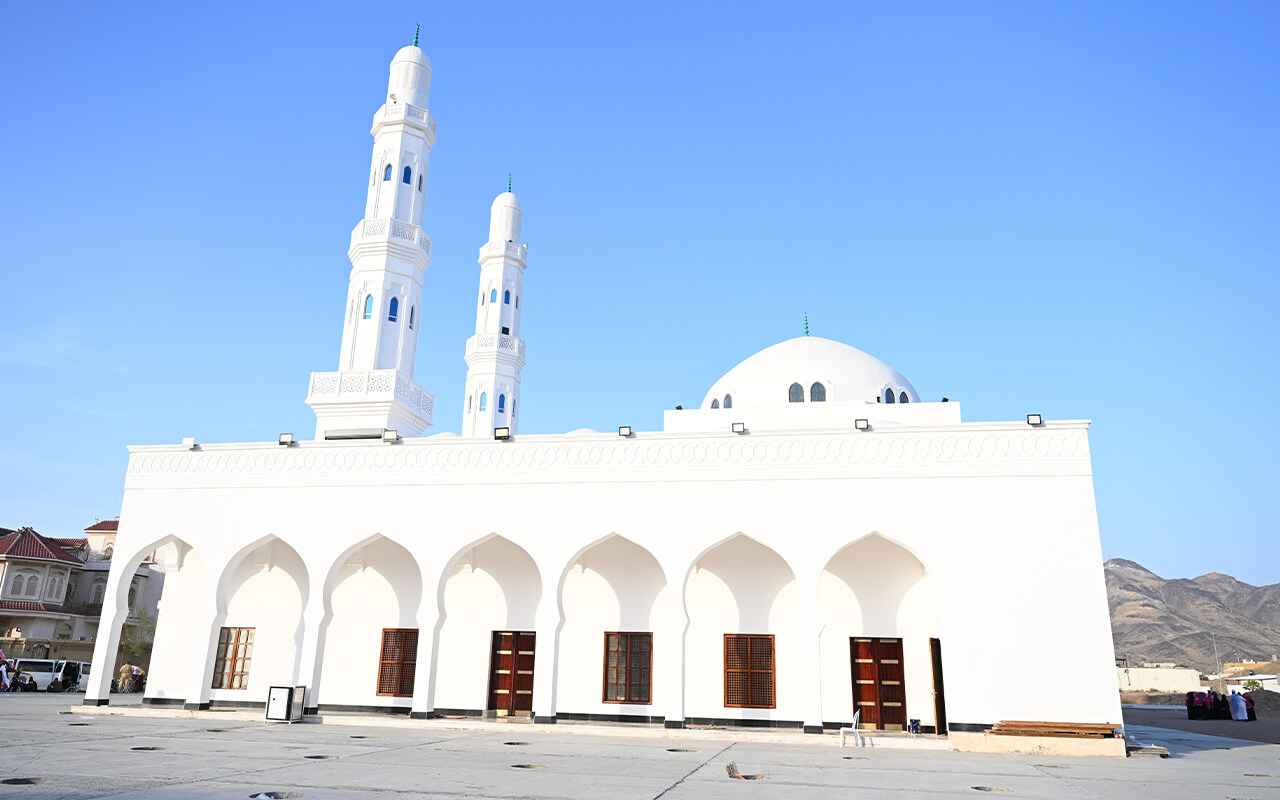
Masjid Areesh is a small mosque built on the site where, according to early Islamic historical accounts, a shelter (areesh) was constructed for the Prophet Muhammad ﷺ to serve as his command post during the Battle of Badr in 2 AH (624 CE). The mosque stands within the broader site of the Battle of Badr, in what is today the town of Badr in Al-Madinah Province.
Unlike Masjid an-Nabawi or the Seven Mosques near Madinah city, Masjid Areesh is not part of the everyday in-city Ziyarat circuit. It sits within the Badr battlefield area, well outside Madinah, which makes it a distinct destination for travelers with a specific interest in the history of the battle.
The History Behind Masjid Areesh
According to historical accounts of the seerah, as the Muslims prepared for battle, the companion Sa’d bin Mu’adh (RA) suggested building a shelter for the Prophet ﷺ to use as a base. His reasoning, as recorded in seerah literature, was that if the Muslims were victorious the shelter would simply have served its purpose, and if they were not, the Prophet ﷺ would have a place from which he could safely return to Madinah, where more supporters could rally to his aid. The Prophet ﷺ approved of the idea, and the shelter was built from palm branches, guarded by a group of Ansar under Sa’d bin Mu’adh’s leadership.
On the night before the battle, the Prophet ﷺ is described in these accounts as spending long hours in supplication inside the shelter, with Abu Bakr as-Siddiq (RA) standing guard at his side, sword drawn. Later accounts attribute to Ali ibn Abi Talib (RA) a statement, delivered during his caliphate, describing Abu Bakr’s role guarding the Prophet ﷺ at the tent as an example of exceptional courage during the battle.
As with much of the detailed seerah narrative surrounding specific events and dialogue, these accounts come from classical Islamic historical sources rather than from archaeological verification, and some fall into the category of historical tradition rather than an established chain of narration with unanimous scholarly agreement. Visitors should treat the story as part of the historical and devotional heritage associated with the site rather than as a formally obligatory part of Umrah or Hajj.
What Does “Areesh” Mean?
The word “areesh” refers to a shelter made from palm branches, essentially describing the shaded shelter or trellis-like structure the Prophet’s ﷺ tent is said to have resembled. Historical sources indicate the original structure stood approximately where the mosque’s mimbar (pulpit) is located today.
The Wider Site of the Battle of Badr
Masjid Areesh is one landmark within a larger historical area. The broader site of the Battle of Badr includes several points of interest connected to the events of 17 Ramadan, 2 AH:
- The battlefield itself – an open plain within Badr Governorate where the engagement took place
- The Graveyard of the Martyrs of Badr – the burial site associated with the Muslims who fell in the battle
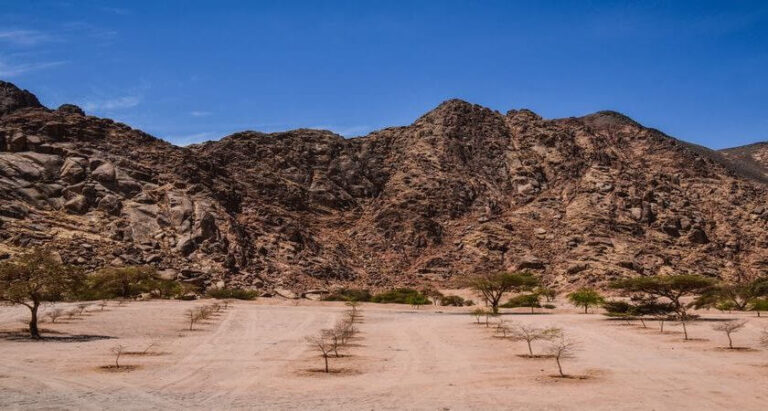
- Jabal al-Malaika (the Mount of Angels) – a hill on the western side of the site, traditionally associated with the descent of angelic support described in the Qur’an (Surah al-Anfal, verse 9; Surah Aal-Imran, verses 123–124)
- Katheeb al-Hannan – a sand dune landmark within the wider Badr site
- Al-Adwa al-Dunya and Al-Adwa al-Quswa – the higher ground on either side of the valley, referenced in the Qur’an (Surah al-Anfal, verse 42) in relation to the positions of the two armies before the battle
Because these landmarks are spread across the Badr area rather than concentrated in one small compound, visitors typically need transportation to move between them rather than covering the site on foot.
Where Is Badr Located Relative to Madinah?
Badr lies to the southwest of Madinah, roughly along the historical route between Madinah and Makkah. Sources place the distance at approximately 130 to 150 km from Madinah, depending on the exact route and reference point used. This means a visit to Masjid Areesh is realistically a half-day-to-full-day excursion by road, not a quick stop – the drive alone can take a couple of hours or more each way, depending on traffic, road conditions, and the route taken, so timing may vary and is worth confirming before setting out.
Because of this distance, Badr is generally planned as its own dedicated trip rather than combined with in-city Ziyarat stops such as Quba, the Seven Mosques, or Masjid al-Ghamamah.
Is Masjid Areesh Open to Visitors?
Masjid Areesh functions as a working mosque and historical site within Badr Governorate, which is described by regional tourism sources as one of the area’s key visitor attractions due to its religious and historical significance. As with any religious site, visiting hours, access arrangements, and any local regulations can change, so it’s worth checking current conditions before traveling, particularly around Ramadan or other peak travel periods when demand for transportation and local services in the region can increase.
Planning a Visit: Badr as a Day Trip from Madinah
Given the distance involved, a trip to Masjid Areesh and the surrounding Badr site is best approached as a planned day trip rather than an add-on to a regular Ziyarat itinerary. A few practical points to consider:
- Time budget: Allow for a full morning or afternoon at minimum, factoring in the drive both ways plus time to see the mosque, the martyrs’ cemetery, and any other landmarks you’d like to visit.
- Heat and season: Badr sits in a desert climate with very hot summer conditions, so early morning departures, sun protection, and water are worth planning for, especially outside the cooler winter months.
- Group size: Families, elderly travelers, and larger groups may find a long return drive more comfortable in a private vehicle with air conditioning and the ability to make stops as needed, rather than relying on a fixed group schedule.
- Combining stops: Since the Badr landmarks (mosque, cemetery, Mount of Angels) are spread out, having a vehicle available for the full outing — rather than parking once and walking everywhere — makes it easier to see more of the site comfortably.
Transportation Options for Visiting Badr
Because Badr is well outside Madinah city, transportation is one of the biggest practical considerations for this trip. Public transport options between Madinah and Badr are limited and not designed around visitor schedules, which is why many travelers arrange private transportation for a trip of this distance.
A private taxi or private driver offers a few practical advantages for a Badr day trip:
- Hotel pickup and drop-off, so the trip starts and ends at your accommodation in Madinah
- Flexible timing, useful for an early start to avoid midday heat
- The ability to stop at multiple Badr landmarks — the mosque, the martyrs’ cemetery, and nearby points of interest – without depending on a fixed tour schedule
- A more comfortable, air-conditioned ride for families, elderly travelers, or groups over a longer round-trip distance
Visitors looking for private transportation for a Badr day trip can contact Madinah Ziyarat Taxi through WhatsApp at +966 57 4915 372 to ask about availability, vehicle options, and a customized full-day itinerary that includes Masjid Areesh and the surrounding Badr site.
Practical Tips for Visiting
- Dress modestly and respectfully, as you would for any mosque or religious site visit.
- Carry water and sun protection, particularly outside the winter months, given the long drive and desert setting.
- Confirm timing in advance, since a round trip of this distance benefits from an early departure.
- Be mindful during Ramadan and peak Umrah/Hajj periods, when road traffic and demand for transportation in the region can be higher than usual.
- Treat the historical narrative respectfully, recognizing that some details are drawn from classical seerah literature and oral tradition rather than verified archaeological record.
FAQs
1. What is Masjid Areesh?
Masjid Areesh is a small mosque built on the site historically associated with the Prophet Muhammad’s ﷺ command shelter during the Battle of Badr in 2 AH (624 CE).
2. Why is it called “Badr mosque”?
It’s commonly called the Badr mosque because it sits within the site of the Battle of Badr, in the town of Badr, and marks one of the battle’s key historical locations.
3. What does “Areesh” mean?
“Areesh” refers to a shelter made from palm branches — describing the type of structure historical accounts say was built for the Prophet ﷺ before the battle.
4. How far is Badr from Madinah?
Sources place Badr roughly 130 to 150 km southwest of Madinah. Exact travel time depends on the route and traffic, so it’s worth checking current conditions before you travel.
5. Can Masjid Areesh be visited today?
Yes, the mosque and the wider Badr site are recognized as visitor and heritage attractions in Badr Governorate. Access details and hours can vary, so confirming current information before your trip is recommended.
6. Is a trip to Badr part of the standard Umrah or Hajj rituals?
No. Visiting Masjid Areesh and the Badr battlefield is a historical and educational visit, not an obligatory ritual of Umrah or Hajj.
7. What else is there to see near Masjid Areesh?
The wider Badr site includes the Graveyard of the Martyrs of Badr, Jabal al-Malaika (Mount of Angels), Katheeb al-Hannan, and the Al-Adwa al-Dunya and Al-Adwa al-Quswa landmarks referenced in the Qur’an.
8. Can I visit Badr in one day from Madinah?
Yes, most visitors treat it as a single day trip, though it typically requires a half day or more given the round-trip driving distance.
9. Is it better to visit Badr by private taxi or public transport?
Public transport options between Madinah and Badr are limited, so many visitors – especially families, elderly travelers, and groups – prefer a private taxi for flexibility and comfort over the longer distance.
10. Can a private taxi pick me up from my hotel in Madinah for a Badr trip?
Yes, private Ziyarat taxi services, including Madinah Ziyarat Taxi, typically offer hotel pickup and drop-off as part of a full-day itinerary.
11. Is Badr suitable for a family or elderly travelers to visit?
It can be, though the long drive and desert heat are worth planning around — an air-conditioned private vehicle with flexible timing tends to make the trip more comfortable for families and elderly travelers.
12. What is the best time of year to visit Badr?
Cooler months are generally more comfortable given Badr’s hot desert climate; if visiting in summer or during peak heat, an early departure is advisable.
13. Is Badr connected to any Qur’anic verses?
Yes – landmarks such as Al-Adwa al-Dunya and Al-Adwa al-Quswa, and the account of angelic support, are referenced in Surah al-Anfal and Surah Aal-Imran.
14. How do I arrange a Ziyarat taxi for a Badr day trip?
Visitors can contact Madinah Ziyarat Taxi via WhatsApp at +966 57 4915 372 to discuss vehicle options, pickup timing, and a customized itinerary covering Masjid Areesh and the Badr site.