
Masjid Ijabah in Madinah: History, Significance, and Visitor Guide
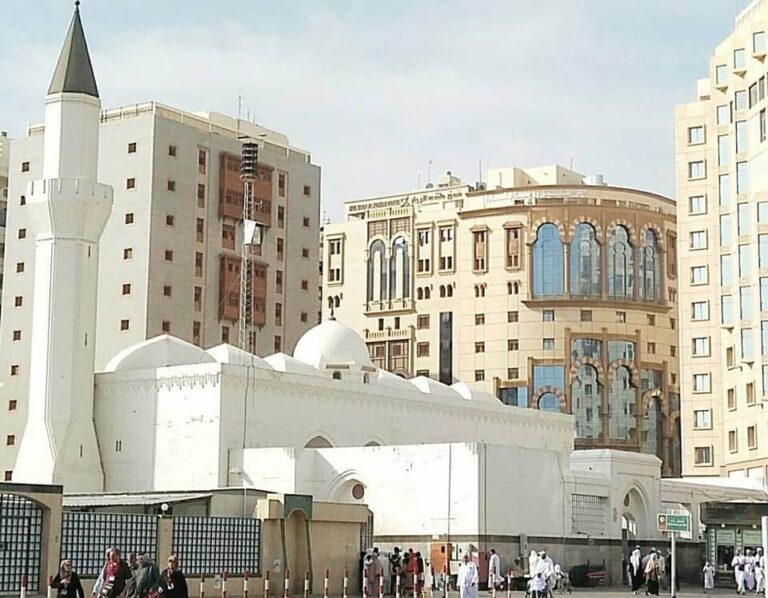
Tucked into the historic Bani Muawiyah district just north of Masjid an-Nabawi, Masjid Ijabah is one of Madinah’s smaller but spiritually meaningful mosques. Its name — “Al-Ijabah,” meaning “the answer” or “acceptance” — refers to a specific moment recorded in the hadith literature when the Prophet Muhammad ﷺ prayed here and made a long supplication to Allah. For visitors exploring Madinah’s Islamic heritage sites, understanding this mosque’s story adds real depth to a Ziyarat trip, even though it is a brief and quiet stop compared to Masjid an-Nabawi or Quba.
This guide explains what Masjid Ijabah is, why it holds this name, where it is located, and what visitors should know before including it in a Madinah Ziyarat itinerary.
What Is Masjid Ijabah?
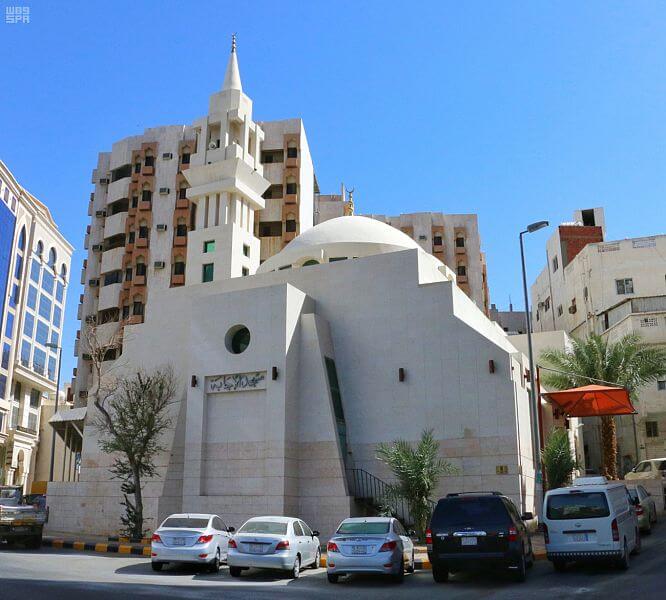
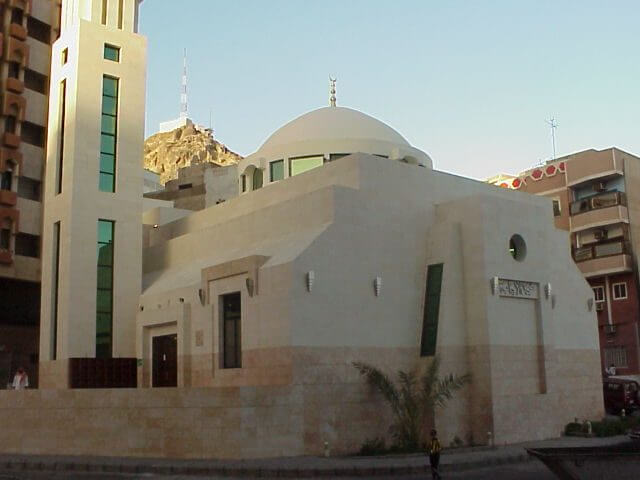
Masjid Ijabah, also known as Masjid Bani Muawiyah or Masjid Al-Mubahalah, is a mosque located to the north of Masjid an-Nabawi in Madinah, close to Jannat al-Baqi. According to the official Al Madinah tourism site, it was originally built by the Banu Muawiyah tribe during the lifetime of the Prophet ﷺ, making it one of the older mosque sites connected to his companions and early Islamic Madinah.
It is important to note that there are two mosques sharing this name in the Hejaz region — one in Makkah and one in Madinah – and confusing the two is a common mistake among visitors researching the site online.
Why Is It Called the “Mosque of Acceptance”?
The Hadith of the Three Supplications
The name Al-Ijabah comes from a narration found in Sahih Muslim. It is reported on the authority of Amir ibn Sa’d, from his father Sa’d ibn Abi Waqqas, that the Prophet ﷺ came one day from the Al-Aliya area of Madinah and passed by the Mosque of Banu Muawiyah. He entered, prayed two rak’ahs, and some of his companions prayed alongside him. He then made an extended supplication to his Lord.
Afterward, he told his companions that he had asked Allah for three things, and two were granted while one was withheld: he asked that his ummah not be destroyed by widespread famine, and this was granted; he asked that his ummah not be destroyed by drowning or deluge, and this too was granted; but when he asked that internal division not befall his ummah, that request was not granted.
Because two of the three supplications were accepted at this location, the mosque became known as Masjid Al-Ijabah — the Mosque of Acceptance. The site is also associated in some historical sources with the event of Mubahalah, which is why it is sometimes referred to as Masjid Al-Mubahalah as well.
This history is well documented, but visitors should treat it as a reported historical and hadith-based account rather than a site with an independently verified religious ruling attached to visiting it. Ziyarat here, as with other historical mosques in Madinah, is a matter of learning about the Prophet’s ﷺ life and early Islamic history rather than an obligatory act of worship.
Masjid Ijabah in Makkah vs. Madinah — Avoiding the Confusion
Because both cities have a mosque called “Al-Ijabah,” online searches often mix up the two:
- Masjid Al-Ijabah in Makkah sits in the Al-Ma’abdah area (historically known as Al-Muhassab), between Masjid al-Haram and Mina, and is associated with the Prophet’s ﷺ visits before and after the migration to Madinah.
- Masjid Al-Ijabah in Madinah — the subject of this guide — is the Bani Muawiyah mosque connected to the hadith of the three supplications, located north of Masjid an-Nabawi near Al-Baqi.
If you’re planning Ziyarat specifically in Madinah, make sure any directions, tour, or article you’re reading refers to the Madinah location and not the Makkah one, since the historical context and visiting logistics are different for each.
History and Renovations
According to the official Al Madinah tourism authority, Masjid Ijabah has been rebuilt and maintained several times across Islamic history:
- It was first established during the lifetime of the Prophet ﷺ by the Banu Muawiyah tribe.
- It was renovated during the era of Umar ibn Abdulaziz, and its walls were restored in a later period as well.
- In 1418 AH, during the reign of King Fahd, the mosque was rebuilt and expanded as part of the Kingdom’s broader restoration of Madinah’s historic mosques.
As with several of Madinah’s smaller historic mosques, the building visitors see today reflects centuries of restoration layered onto the original site rather than an unchanged structure from the Prophet’s ﷺ era.
Where Is Masjid Ijabah Located in Madinah?
Masjid Ijabah sits in the Bani Muawiyah district, a short distance north of Masjid an-Nabawi and close to Jannat al-Baqi cemetery. Because of this proximity, it is often visited by pilgrims as a brief stop either just before or after spending time at Al-Baqi, rather than as a separate long excursion.
Exact walking distances can vary slightly depending on which entrance of Masjid an-Nabawi you start from, and interior access to the mosque can also change from time to time due to renovation work or local scheduling. If interior access matters to your plans, it’s worth checking current status locally before you go, since this is the kind of detail that can shift without much notice.
Visiting Masjid Ijabah During Your Ziyarat
What to Expect
Masjid Ijabah is a modest, relatively quiet site compared to the major landmarks of Madinah Ziyarat. Most visitors spend a short time here – enough to see the mosque, reflect on its history, and perhaps pray if it is open – before moving on to nearby locations. It is not typically a standalone destination but rather one stop within a broader historical mosque route.
Combining It With Other Nearby Sites
Given its location near Al-Baqi and its short distance from Masjid an-Nabawi, Masjid Ijabah is often grouped with other historical mosques in central Madinah, such as Masjid Al-Ghamamah, Masjid Abu Bakr, or Masjid Umar, depending on the route a visitor or group chooses. Because these sites are spread across different points in the city rather than clustered in one walkable area, many visitors – especially families, elderly travelers, and groups with limited time – find it easier to move between them by private vehicle rather than relying on walking or public transport schedules.
Getting to Masjid Ijabah
Because Masjid Ijabah is close to the central Madinah area around Masjid an-Nabawi and Al-Baqi, it can usually be reached on foot by visitors staying in nearby hotels, traffic and mosque-area access permitting. For visitors combining it with other Ziyarat sites further out — such as Quba, Uhud, or the Seven Mosques — a private Ziyarat taxi can make it easier to build a single custom route that includes Masjid Ijabah alongside other stops, without needing to arrange separate transport for each site.
Visitors looking for private transportation can contact Madinah Ziyarat Taxi through WhatsApp at +966 57 4915 372 to ask about hotel pickup, vehicle options, and a custom Ziyarat itinerary that includes central Madinah mosques like Masjid Ijabah alongside other historical sites.
Practical Visitor Tips
- Dress modestly, as is customary at all mosques and religious sites in Madinah.
- Interior access may vary at times due to renovation or local scheduling – check current status if this matters to your plans.
- Since this is a short stop, it pairs naturally with a visit to Jannat al-Baqi rather than requiring a separate trip.
- During Ramadan and peak Umrah or Hajj seasons, the wider central Madinah area can be busier, which may affect walking time and access.
- Carry water, especially in summer heat, if you are walking between several central mosques in one visit.
- Photography should be approached respectfully, in line with local customs at religious sites.
FAQs
What is Masjid Ijabah in Madinah?
Masjid Ijabah, also called Masjid Bani Muawiyah, is a historic mosque north of Masjid an-Nabawi where the Prophet ﷺ is reported to have prayed and made a long supplication, according to a hadith in Sahih Muslim.
Why is it called the “Mosque of Acceptance”?
Because, according to the hadith, two of the three requests the Prophet ﷺ made to Allah at this location were granted, while the third was not. “Ijabah” means “acceptance” or “response.”
What were the three supplications?
He asked that his ummah not be destroyed by famine (granted), that it not be destroyed by drowning or deluge (granted), and that internal division not befall it (not granted).
Is Masjid Ijabah in Madinah the same as the one in Makkah?
No. There are two mosques with this name – one in Makkah near Al-Ma’abdah, and one in Madinah in the Bani Muawiyah district. They have different histories and locations.
Where exactly is Masjid Ijabah located?
It is in the Bani Muawiyah district of Madinah, a short distance north of Masjid an-Nabawi and close to Jannat al-Baqi.
How far is Masjid Ijabah from Masjid an-Nabawi?
It is close to the Prophet’s Mosque, within easy reach for many visitors staying in central Madinah hotels, though exact walking time can vary by starting point and local conditions.
Is Masjid Ijabah open for visitors to pray inside?
Access can vary depending on renovation work or local scheduling, so it’s best to check current status before your visit if entering the mosque matters to your plans.
Is visiting Masjid Ijabah a required part of Umrah or Hajj?
No. Visiting historical mosques like Masjid Ijabah is part of Ziyarat — an optional historical and spiritual visit – not an obligatory ritual of Umrah or Hajj.
Can I combine Masjid Ijabah with other Ziyarat sites in one trip?
Yes. Because it is close to Al-Baqi and central Madinah, it is often visited alongside other nearby historical mosques as part of a wider Ziyarat route.
Can a private taxi take me to Masjid Ijabah and other Ziyarat sites?
Yes, private Ziyarat transportation can combine Masjid Ijabah with other central Madinah mosques and further sites like Quba or Uhud in a single custom route.
Can the taxi pick me up from my hotel for this route?
Hotel pickup is a common option with private Ziyarat taxi services. Contact Madinah Ziyarat Taxi directly via WhatsApp to arrange pickup details for your specific hotel.
Is private transportation useful for families or elderly visitors doing this route?
Yes – since central Madinah’s historical mosques are spread across different points in the city, private transport can reduce the amount of walking required between sites, which can be especially helpful for families with children or elderly travelers.
Does the mosque’s history date back to the Prophet’s ﷺ lifetime?
Yes, according to the official Al Madinah tourism authority, it was first built by the Banu Muawiyah tribe during the Prophet’s ﷺ lifetime and has been renovated and expanded several times since, including during the reign of King Fahd.
Is there an entrance fee to visit Masjid Ijabah?
No fee information is officially published for this site, and mosque access arrangements can change, so it’s best to check current local guidance before visiting.
What should I wear when visiting?
Modest clothing is expected at all mosques and religious sites in Madinah, in line with local customs.