Visiting Mount Uhud and the Martyrs’ Graveyard: What You Need to Know
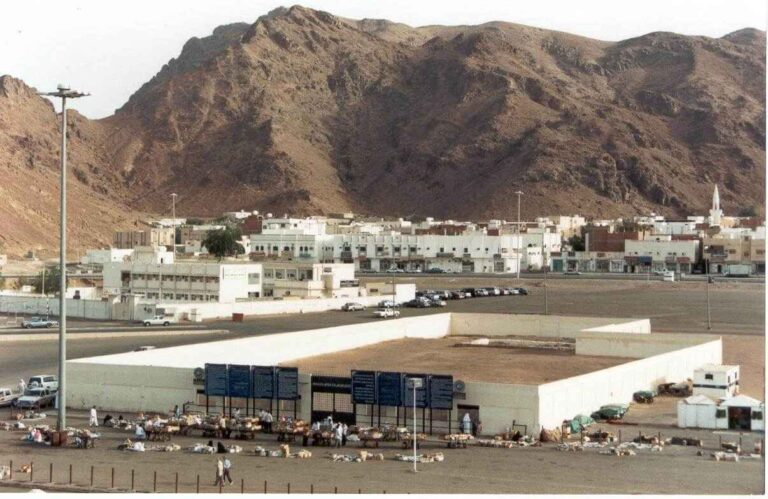
The Uhud Martyrs’ Cemetery sits at the foot of Mount Uhud, roughly 5 kilometers north of Masjid an-Nabawi in Madinah. It’s the burial site of around 70 companions who fell in the Battle of Uhud in 3 AH (625 CE), including the Prophet’s uncle, Hamza ibn Abd al-Muttalib (RA). The site is open-air, involves some walking from the parking and visitor area to the cemetery railings, and is not part of the obligatory rites of Umrah or Hajj — it’s a widely practiced, recommended historical visit.
What Happened at the Battle of Uhud?
The Battle of Uhud took place in the third year after the Hijrah (3 AH, corresponding to 625 CE), about a year after the Muslims’ victory at Badr. The Quraysh of Makkah, seeking to avenge that defeat, marched on Madinah with a large force under Abu Sufyan.
The Prophet Muhammad ﷺ positioned a group of archers on a nearby hill — now known as Jabal al-Rumah, or Archers’ Hill — with strict instructions to hold their position no matter what they saw happening below. In the early stages of the battle, the Muslim side had the advantage. But when some of the archers left their post, believing the battle was won, the Makkan cavalry exploited the opening and attacked from behind. The result was a costly reversal for the Muslims, and the Prophet ﷺ himself was wounded.
This is one of the most frequently cited lessons drawn from the battle: the cost of leaving an assigned position before being told to do so, even when the situation looks favorable.
Who Is Buried at the Uhud Martyrs’ Cemetery?
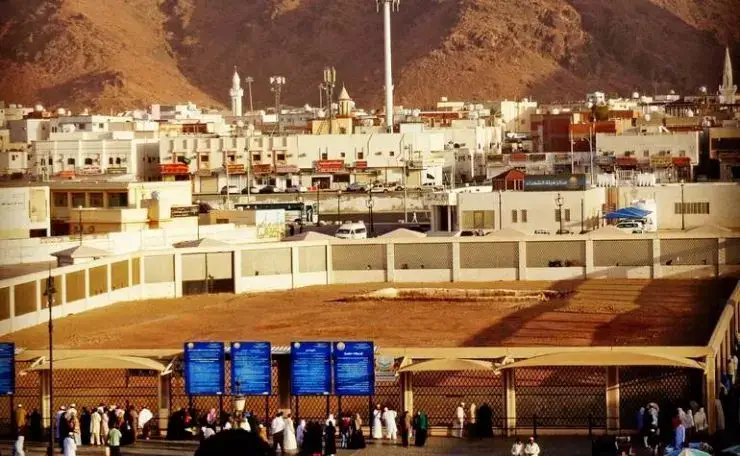
Around 70 Muslims were killed at Uhud. The best known among them is Hamza ibn Abd al-Muttalib (RA), the Prophet’s uncle, who was given the honorific title Sayyid al-Shuhada (“chief of the martyrs”) for his role and death in the battle. Also buried here is Mus’ab ibn Umayr (RA), who carried the Muslim standard during the battle and was among the first companions to embrace Islam.
The martyrs were buried at the site of their deaths, at the foot of the mountain, rather than being moved elsewhere — which is why the cemetery sits directly on what was once the battlefield.
Why Do Muslims Visit Mount Uhud Today?
Visiting Uhud is a way for pilgrims and travelers to connect directly with a formative moment in early Islamic history — to see the actual ground where the battle unfolded and stand near the resting place of companions who are remembered for their sacrifice. For many visitors, it’s as much a moment of quiet reflection as it is a historical stop.
Is Visiting Uhud Part of Umrah or Hajj?
No. Visiting Mount Uhud and the Martyrs’ Cemetery is not an obligatory ritual of Umrah or Hajj. It is a widely practiced, historically significant visit that many pilgrims choose to make while they are in Madinah, but it sits outside the formal rites of pilgrimage. If you’re short on time during your trip, it’s worth knowing this distinction so you can prioritize accordingly.
How Far Is Mount Uhud from Masjid an-Nabawi?
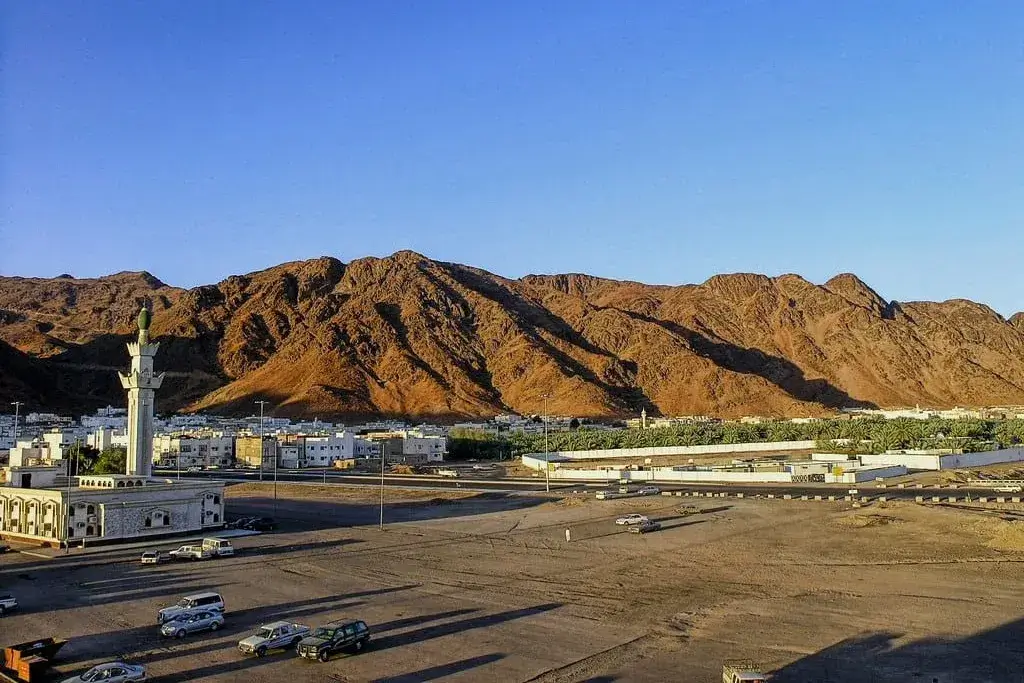
Mount Uhud is located on the northern edge of Madinah, approximately 5 kilometers from Masjid an-Nabawi. By car, the drive typically takes well under 20 minutes outside of peak traffic, though this can vary depending on time of day, traffic conditions, and the specific pickup point. There is no fixed public transit schedule to the site, which is one reason many visitors arrange private transportation instead.
What to Expect When You Arrive
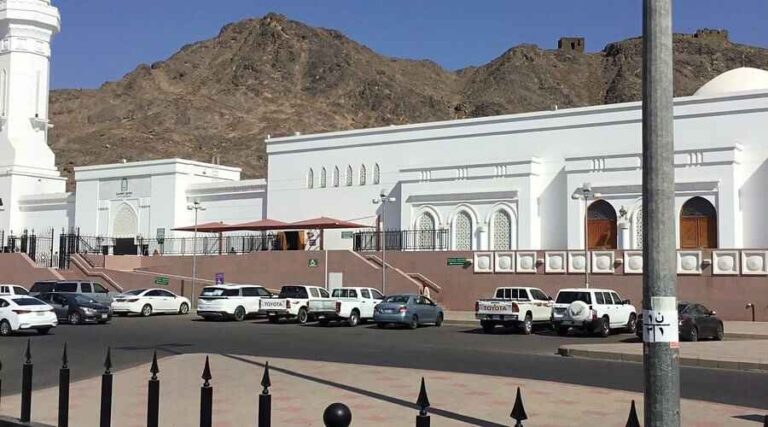
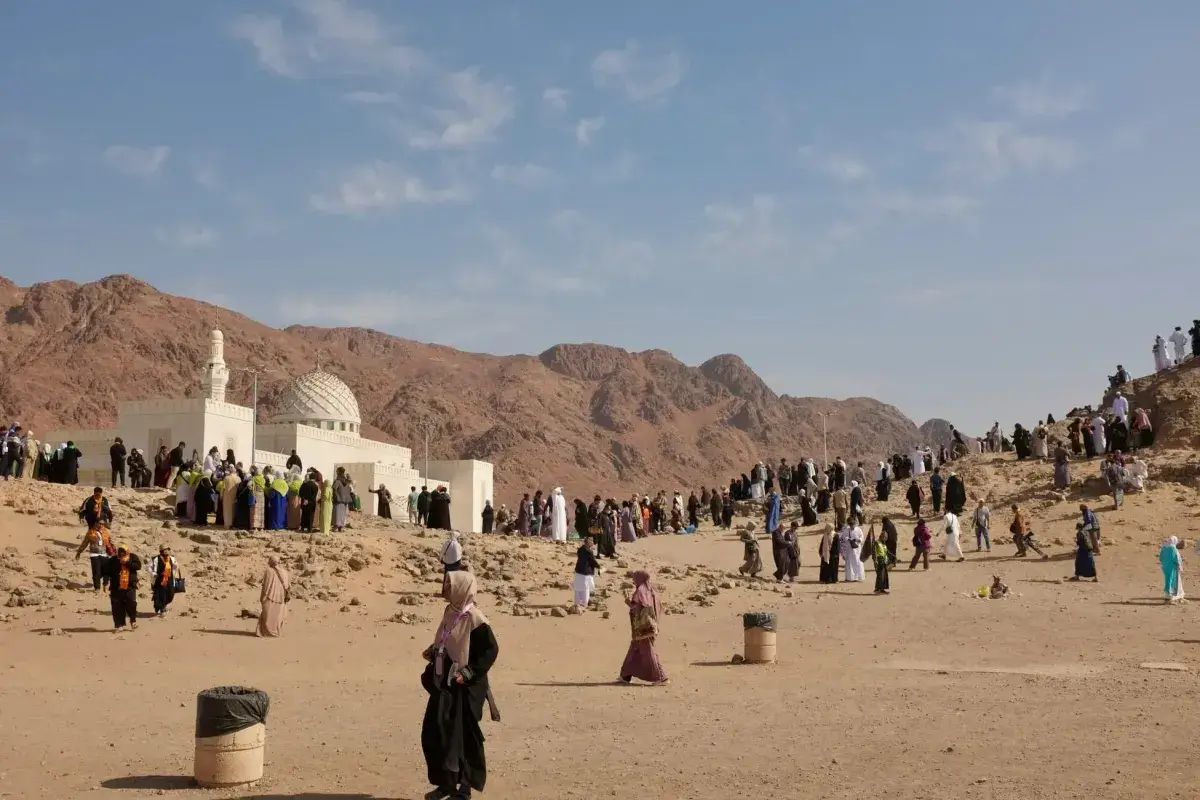
The Uhud site is organized around a visitor area with parking, walkways, and landscaped spaces leading toward the cemetery. It’s an open-air location — there’s a mosque near the site where some visitors pray before continuing on to the cemetery itself.
From the parking area, there’s a walk to reach the railings surrounding the martyrs’ graves. The distance and terrain can vary depending on exactly where a vehicle is able to stop, so it’s worth allowing extra time if you’re traveling with elderly family members or young children.
Some visitors also walk partway up Jabal al-Rumah (Archers’ Hill), a smaller hill beside Mount Uhud, for a wider view of the battlefield layout. This involves uneven, sloped ground and is optional — it’s not necessary to visit the cemetery itself.
Walking and Accessibility for Elderly Pilgrims
This is one of the most practical things to plan around, and it’s often left out of general guides:
- The path from parking to the cemetery railings involves walking on paved but sometimes uneven ground, with limited shaded seating along the way.
- Archers’ Hill involves a rocky incline and is not suitable for wheelchairs or visitors with limited mobility.
- Midday heat, especially outside of winter months, can make the walk more tiring than it looks from photos.
- There is no shuttle within the site itself, so the walking distance from the drop-off point matters more than the driving distance to Uhud.
If you’re traveling with elderly parents, young children, or anyone who tires easily, it’s worth telling your driver in advance so they can try to get as close as reasonably possible to the visitor entrance, and building in a slower pace with rest breaks.
Etiquette at the Martyrs’ Graves
Visitors typically stand at the railings surrounding the cemetery, offer salām (a greeting of peace), and make du’ā (supplication) for the martyrs, without touching the graves or treating the site as a place to seek intercession — supplication is directed to Allah alone. Photography immediately around the grave enclosures is generally discouraged out of respect; it’s best to take photos of the wider landscape rather than close-up shots of the graves themselves.
Views on whether women should approach the graves directly, as opposed to viewing the site from a respectful distance, vary among scholars and schools of thought. If this matters to you, it’s worth checking with a scholar or trusted source you follow before your visit, rather than relying on any single blog’s interpretation — including this one.
Best Time to Visit Mount Uhud
Because most of the site is outdoors with limited shade, timing matters more here than at an indoor mosque visit:
- Early morning or later afternoon is generally more comfortable than midday, particularly in the warmer months (roughly May through September), when Madinah’s daytime heat can be intense.
- During Ramadan and peak Umrah season, the site tends to be busier, and traffic on the route from central Madinah can be heavier — plan extra travel time.
- During Hajj season, visitor numbers in Madinah overall increase, which can also affect wait times for transportation.
Carry water, wear comfortable closed shoes suited to walking on uneven ground, and dress in light, modest, breathable clothing — sun exposure is the main practical challenge here, not the walking distance itself.
Photo Spots
Popular, respectful photo opportunities include:
- The wider view of Mount Uhud’s rock face from the visitor area or parking approach
- The panoramic view from partway up Archers’ Hill, looking back over the battlefield area
- General landscape shots of the mosque and surrounding grounds
Avoid close-up photography directed at the grave enclosures themselves, and be mindful of other visitors who may be there for quiet reflection rather than sightseeing.
Getting to Mount Uhud: Transportation Options
Since Uhud sits outside the walkable core of central Madinah and isn’t served by a fixed public transit route, most visitors arrive by taxi, private car, or organized group tour.
Private transportation is a practical option if you’re traveling as a family, in a group, or with elderly relatives, because it allows for:
- Hotel pickup and drop-off, without needing to first travel to a central meeting point
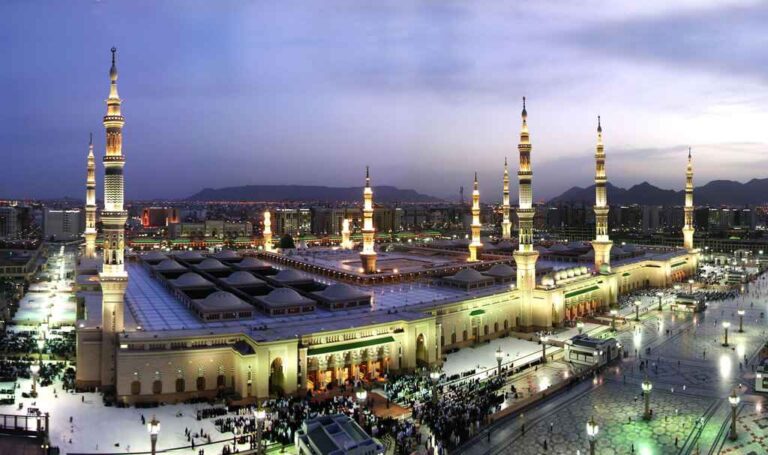
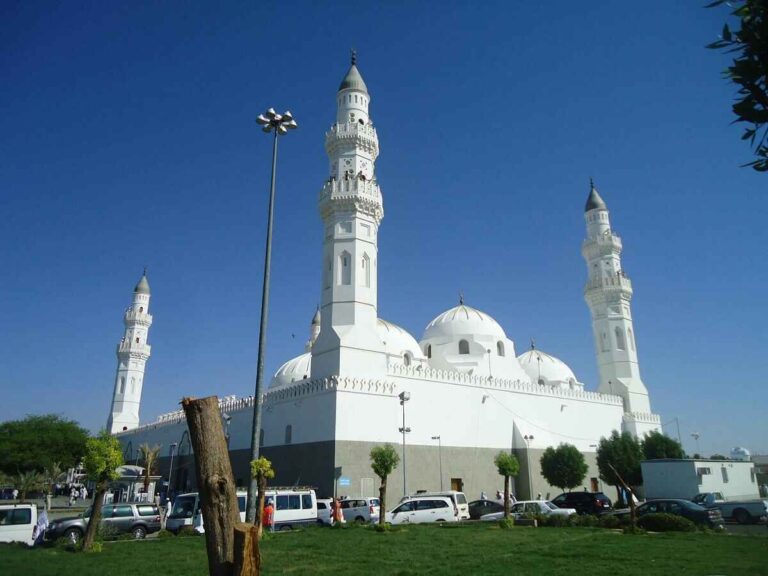
- Flexibility to combine the Uhud visit with other Ziyarat stops (such as Quba Mosque or Qiblatain) in a single half-day or full-day trip, rather than arranging separate trips
- The ability to get as close as possible to the visitor entrance and wait while your group walks to the cemetery, rather than working around a fixed tour schedule
For a group or family with mixed mobility needs, a larger vehicle such as an SUV or family van can be more comfortable than a standard sedan, simply because it’s easier to load and unload elderly passengers and gives everyone a bit more room for water, bags, and rest between stops.
Visitors looking for private transportation can contact Madinah Ziyarat Taxi through WhatsApp at +966 57 4915 372 to ask about availability, vehicle options, hotel pickup arrangements, or a Ziyarat itinerary that combines Uhud with other Madinah historical sites.
FAQs
What is the Uhud Martyrs’ Cemetery?
It’s the burial site of approximately 70 Muslims who died in the Battle of Uhud in 3 AH (625 CE), located at the foot of Mount Uhud on the northern edge of Madinah.
Who is buried at Mount Uhud?
The best-known figure is Hamza ibn Abd al-Muttalib (RA), the Prophet’s uncle, along with around 70 other companions, including Mus’ab ibn Umayr (RA).
How far is Mount Uhud from Masjid an-Nabawi?
Approximately 5 kilometers, with a drive that typically takes well under 20 minutes outside of heavy traffic — though this can vary.
Is visiting Mount Uhud part of Umrah or Hajj?
No. It’s a widely practiced historical and reflective visit, but not an obligatory ritual of either pilgrimage.
Is the walk to the martyrs’ cemetery difficult for elderly visitors?
There is a walk from the parking area to the cemetery railings on paved but sometimes uneven ground, with limited shade. It’s manageable for most visitors at a slower pace, but Archers’ Hill itself involves a rocky incline that’s not suitable for those with mobility limitations.
Can I climb Mount Uhud?
Most visitors walk partway up the smaller adjacent hill, Archers’ Hill (Jabal al-Rumah), rather than the main mountain itself. This is optional and involves uneven terrain.
What should I do at the martyrs’ graves?
Visitors commonly stand at the railings, offer salām, and make du’ā for the deceased, without touching the graves.
Can I take photos at Uhud?
General landscape photography is fine, but close-up photos directed at the grave enclosures are best avoided out of respect for the site and other visitors.
What’s the best time of day to visit?
Early morning or later afternoon tends to be more comfortable, since most of the site is outdoors with limited shade.
Is there parking at Mount Uhud?
Yes, the site has an organized visitor area with parking and walkways, though the exact walking distance from parking to the cemetery can vary.
Can I book a private taxi to Mount Uhud?
Yes. Madinah Ziyarat Taxi offers private transportation with hotel pickup, including trips that combine Uhud with other Madinah Ziyarat sites. Contact via WhatsApp at +966 57 4915 372.
Is private transportation better than a group tour for visiting Uhud?
It depends on your priorities. Private transportation offers more flexibility around timing, walking pace, and combining stops, which can be especially useful for families, elderly travelers, or anyone who wants a slower, more personal visit.
Can I combine Mount Uhud with other Ziyarat sites in one trip?
Yes, many visitors combine Uhud with sites like Quba Mosque or Masjid al-Qiblatain in a half-day or full-day itinerary, particularly when using private transportation.
Do I need to book in advance?
It’s generally a good idea to arrange transportation ahead of time, especially during Ramadan, Hajj season, or other peak travel periods, when demand for private taxis is higher.
Visiting Mount Uhud is less about ticking off a landmark and more about standing somewhere history actually happened — quietly, without needing anything more than a few minutes of reflection at the railings. Planning the practical side well, especially timing and walking distance, is what makes the visit comfortable rather than rushed.