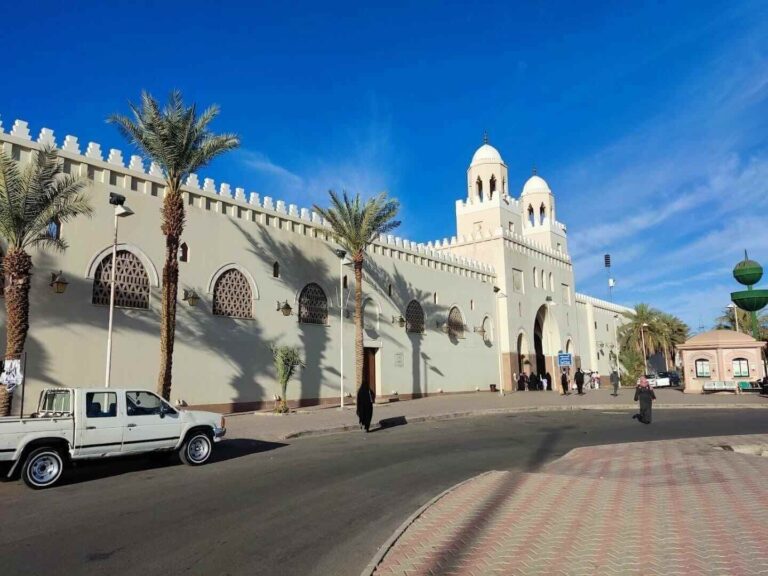
Masjid Abu Bakr al-Siddiq, Madinah: History, Location, and Visitor Guide
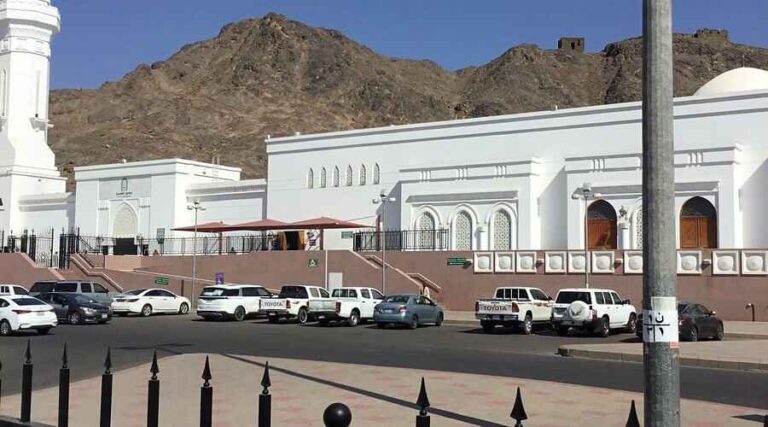
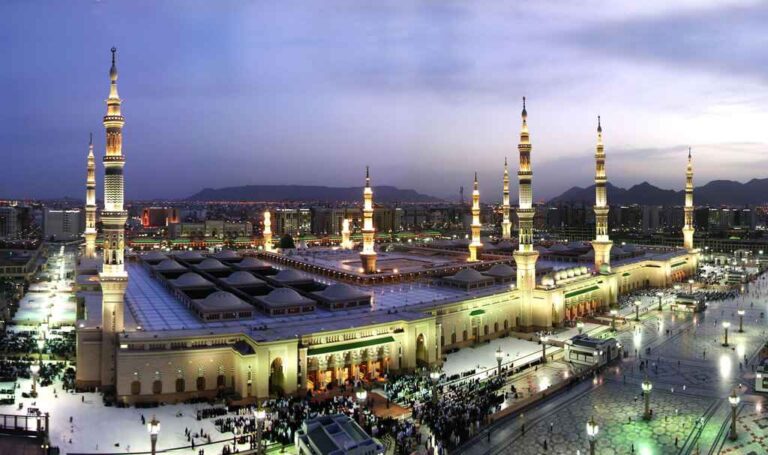
Just a short distance from Al-Masjid an-Nabawi, in Madinah’s old Al-Manakhah quarter, stands a small, unassuming mosque with an outsized place in Islamic history: Masjid Abu Bakr al-Siddiq. Named after the first Caliph of Islam, it marks a site tied to the tradition of Eid prayers held just outside the Prophet’s Mosque during the earliest years of the Muslim community in Madinah.
Quick answer: Masjid Abu Bakr al-Siddiq is a historic mosque located southwest of Al-Masjid an-Nabawi in Madinah’s Al-Manakhah area, close to Gate 310. It is named after Abu Bakr al-Siddiq, who is remembered for leading Eid prayers at this spot after the Prophet Muhammad ﷺ. The current building reflects Ottoman-era reconstruction over an earlier structure, with restoration continuing into the Saudi era.
What Is Masjid Abu Bakr al-Siddiq?
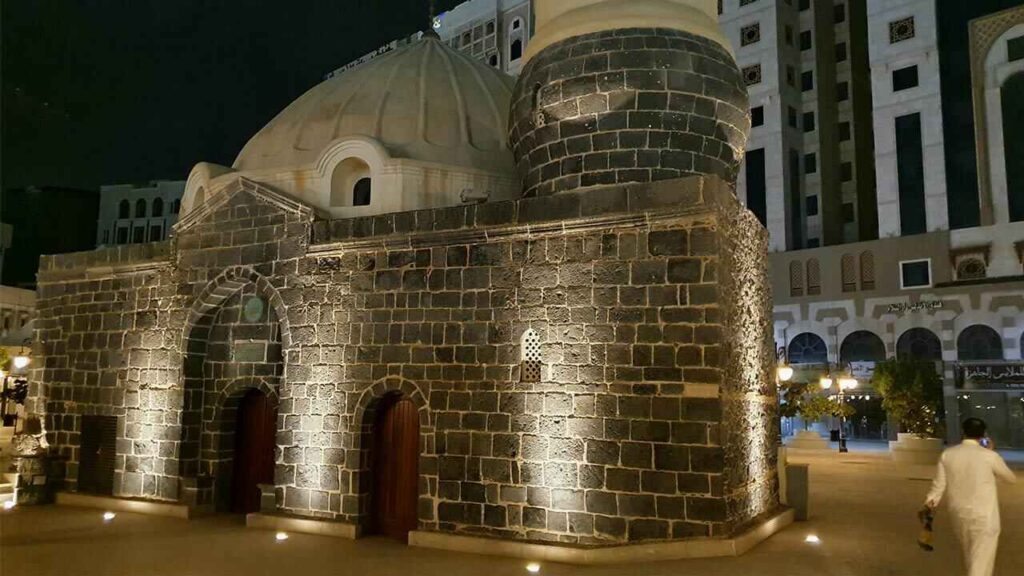
Masjid Abu Bakr al-Siddiq is one of a small group of historic mosques clustered around Al-Masjid an-Nabawi that commemorate open ground once used for communal prayer during the Prophet’s ﷺ lifetime. According to Islamic historical tradition, this particular spot was used as a musalla — an open prayer ground — for occasions such as Eid prayers. The mosque takes its name from Abu Bakr al-Siddiq, the close companion of the Prophet ﷺ and the first Caliph of Islam, who is remembered for continuing the practice of leading Eid prayers at this location during his caliphate.
It’s worth noting the distinction between historical tradition and religious obligation here: visiting this mosque is not a required ritual of Umrah or Hajj. It is, instead, a site of historical and educational interest for pilgrims and visitors who want to understand the geography of early Madinah and the life of the Prophet’s companions.
Historical and Religious Significance
The area around the mosque – historically part of what was known as Al-Manakhah, later also referred to in some sources as Souq al-Madinah – was once open land bordering the Prophet’s Mosque. Because tradition holds that the Prophet ﷺ himself performed Eid prayer in this general area, and that Abu Bakr al-Siddiq maintained the practice afterward, a mosque was eventually built to mark and preserve the site.
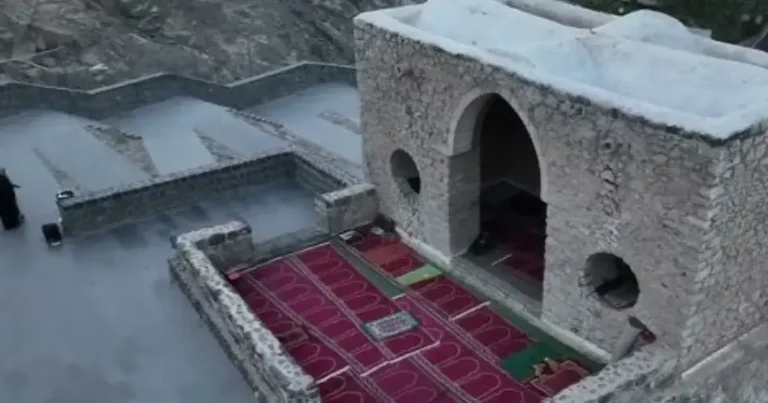
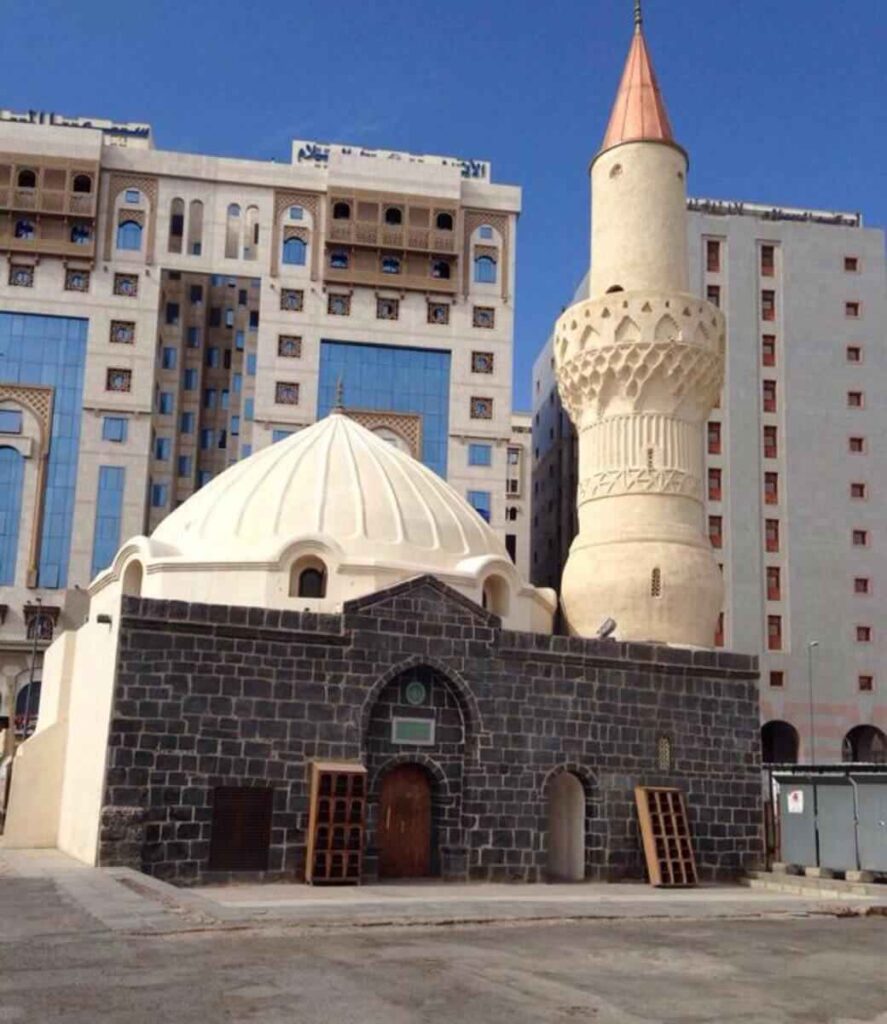
Historical accounts describe the structure being established during the Umayyad period, with renovation work carried out under Umar bin Abdulaziz while he governed Madinah in the early eighth century CE. Over the following centuries, the mosque was rebuilt more than once. Its present form reflects reconstruction during the Ottoman period, giving it the characteristic domed, single-chamber design associated with Ottoman-era mosque architecture in the Hejaz. In more recent history, the mosque has undergone further restoration under Saudi Arabia’s historic mosques preservation efforts, helping preserve the structure for future visitors.
As with many small historic mosques in Madinah, exact construction dates and the sequence of rebuildings vary slightly between sources, and readers interested in the precise architectural history are encouraged to consult specialized heritage references rather than relying on a single account.
Architecture Through the Centuries
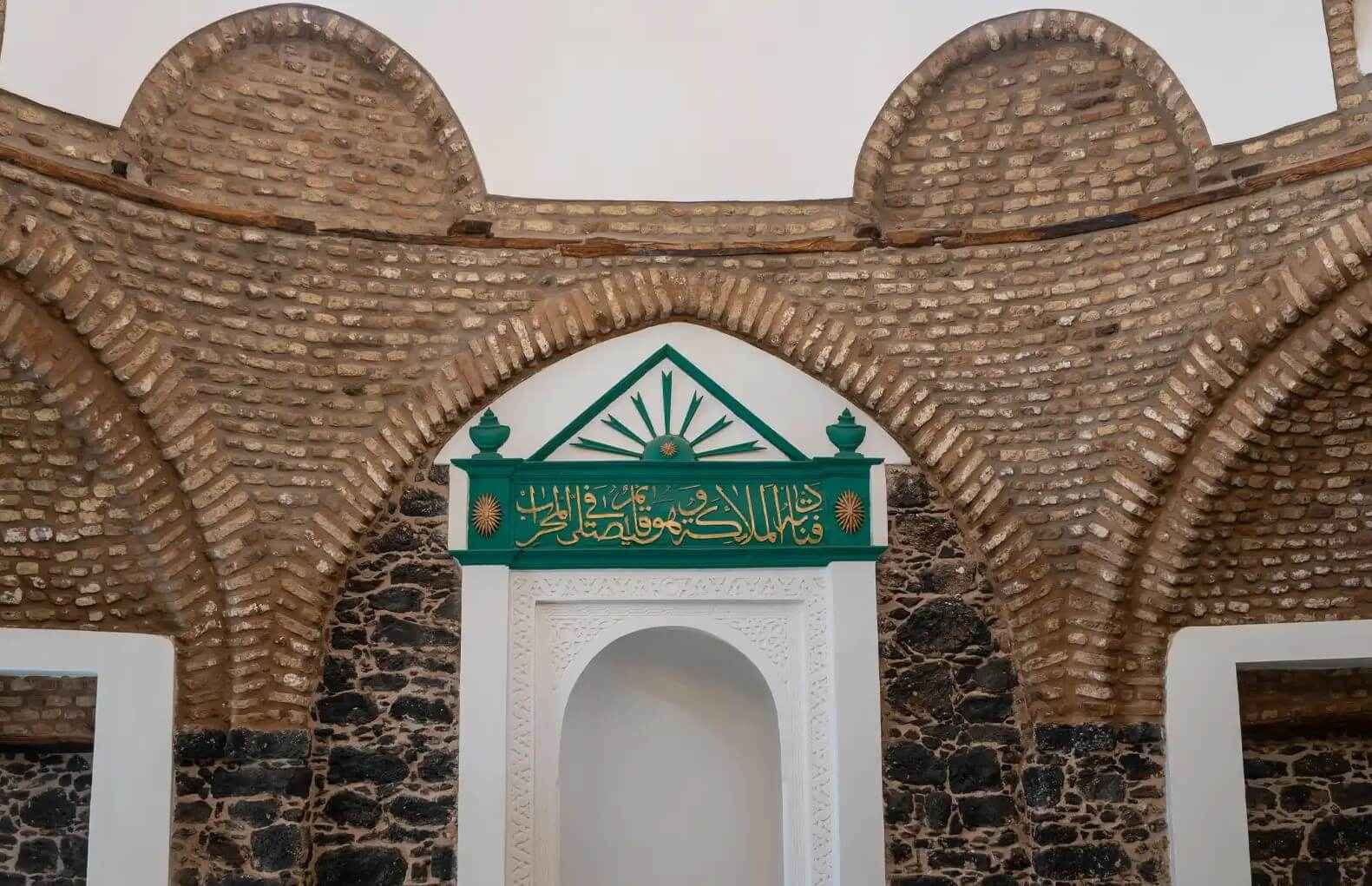
Visitors familiar with Ottoman religious architecture will recognize the mosque’s style immediately: a compact, single-domed prayer hall built from dark, locally quarried stone, with a modest minaret and a small rectangular courtyard. Interior details typically include white marble accents and inscribed Quranic verses, in keeping with the restrained decorative style common to smaller Ottoman-era mosques in the region. Because of its size, the mosque is not designed to accommodate large congregations — it functions more as a historical landmark and a place for individual or small-group prayer than as a major gathering mosque.
Location and How Close It Is to the Prophet’s Mosque
Masjid Abu Bakr al-Siddiq sits southwest of Al-Masjid an-Nabawi, in the historic Al-Manakhah area near Gate 310 of the Prophet’s Mosque, and close to Masjid al-Ghamamah, another historic Eid-prayer-site mosque. Because it is positioned so close to the Prophet’s Mosque complex, many visitors reach it on foot as part of a short walking loop after prayers.
Distance estimates for this mosque vary between sources — some describe it as only a few hundred meters from the Prophet’s Mosque, which matches its location within the immediately surrounding historic district. Treat any specific walking-time figure as approximate: actual time on foot depends on your starting gate, pedestrian crowd density (especially during peak Umrah season, Ramadan, or Hajj season), and midday heat.
What to Expect When You Visit
The mosque is modest in scale, and that’s part of its appeal — it offers a quieter, more reflective contrast to the scale of Al-Masjid an-Nabawi nearby. Visitors typically spend a short amount of time here: enough to offer a prayer, take in the architecture, and reflect on the site’s connection to Abu Bakr al-Siddiq and the early Muslim community in Madinah. Because of its small footprint, the mosque can feel crowded if a large tour group arrives at once, so quieter times of day tend to offer a more comfortable visit.
Visiting Masjid Abu Bakr as Part of a Wider Madinah Ziyarat
Masjid Abu Bakr al-Siddiq pairs naturally with other historic mosques in the immediate vicinity of Al-Masjid an-Nabawi, particularly Masjid al-Ghamamah, which sits close by and shares a similar Eid-prayer history. Many visitors combine these nearby sites into a short walking Ziyarat before or after prayers at the Prophet’s Mosque.
For visitors who want to see this mosque alongside farther sites — such as Quba Mosque, Qiblatain Mosque, or the historic mosques near Uhud — a single walking trip isn’t practical, since these locations are spread across different parts of Madinah. In that case, grouping several stops into one private Ziyarat trip is generally more time-efficient than arranging separate transportation for each site, particularly for families traveling with children or elderly relatives, or for groups who want to keep everyone together on one itinerary.
Getting There: Walking vs. Private Taxi
If you’re already near Al-Masjid an-Nabawi, walking to Masjid Abu Bakr al-Siddiq is usually the simplest option, given its close proximity to the mosque’s southwest side. Keep in mind that Madinah’s midday heat, especially outside the cooler winter months, can make even a short walk tiring for elderly travelers or those unfamiliar with the area.
If you’re staying at a hotel farther from the central mosque area, or if you’d like to combine Masjid Abu Bakr al-Siddiq with other Ziyarat sites across Madinah in a single outing, private transportation can simplify the logistics. A private Ziyarat taxi allows you to set your own pace, stop at each site for as long as you like, and avoid depending on public transport schedules — which can matter for families with young children, elderly travelers, or groups trying to cover multiple locations without rushing.
Visitors looking for private transportation can contact Madinah Ziyarat Taxi through WhatsApp at +966 57 4915 372 to ask about hotel pickup, available vehicle options, and building a custom Ziyarat itinerary that includes Masjid Abu Bakr al-Siddiq alongside other historic sites.
Visitor Tips and Etiquette
- Dress modestly and be prepared to remove shoes before entering the prayer hall, as with any mosque in Madinah.
- Photography is generally acceptable in the courtyard area, but be mindful of anyone praying and avoid photographing worshippers directly.
- Visit outside peak prayer times if you’d like a quieter, less crowded experience, since the mosque’s small size means it fills up quickly around prayer calls.
- Carry water, especially if you’re combining this stop with a longer walking Ziyarat in warm weather.
- Time your visit thoughtfully during Ramadan or Hajj season, when both foot traffic and vehicle traffic around central Madinah increase significantly.
FAQs
1. What is Masjid Abu Bakr al-Siddiq?
It’s a historic mosque in Madinah named after Abu Bakr al-Siddiq, the first Caliph of Islam, commemorating a site associated with Eid prayers led by the Prophet Muhammad ﷺ and later by Abu Bakr.
2. Where is Masjid Abu Bakr al-Siddiq located?
It’s located southwest of Al-Masjid an-Nabawi, in Madinah’s historic Al-Manakhah area, near Gate 310 and close to Masjid al-Ghamamah.
3. How far is Masjid Abu Bakr al-Siddiq from the Prophet’s Mosque?
It’s within easy walking distance of the Prophet’s Mosque’s southwest side. Exact walking time can vary depending on your starting point and pedestrian crowds.
4. Why is the mosque named after Abu Bakr al-Siddiq?
Because he is remembered for continuing the tradition of leading Eid prayers at this location after the Prophet Muhammad ﷺ, which led to the site becoming associated with his name.
5. Is visiting this mosque a required part of Umrah or Hajj?
No. It holds historical and educational significance but is not a required ritual stop for Umrah or Hajj.
6. What does the mosque look like today?
It’s a small, single-domed structure built in Ottoman architectural style, with a modest minaret, a compact courtyard, and interior marble and Quranic inscriptions.
7. Can I walk to Masjid Abu Bakr al-Siddiq from my hotel?
If your hotel is close to Al-Masjid an-Nabawi, walking is often practical. If you’re staying farther away, a taxi is usually more convenient, especially in hot weather.
8. Can I visit Masjid Abu Bakr al-Siddiq together with Masjid al-Ghamamah?
Yes – both mosques sit close to one another near the southwest side of the Prophet’s Mosque and are commonly visited together on the same walk.
9. Is Masjid Abu Bakr al-Siddiq suitable for large groups?
Its small size means it can feel crowded with a large group at once, so visiting in smaller groups or at quieter times is more comfortable.
10. Can I book a private Ziyarat taxi to visit this mosque along with other historic sites?
Yes. Private Ziyarat transportation can combine this mosque with nearby and farther sites, such as Masjid al-Ghamamah, Quba, or Uhud, in one custom itinerary.
11. Can the taxi pick me up from my hotel for a Ziyarat trip?
Private Ziyarat services generally offer hotel pickup and drop-off — it’s best to confirm pickup details directly when booking.
12. Is private transportation useful for families or elderly travelers?
Yes – it removes the need to walk long distances in the heat between sites and allows the group to move at its own pace.
13. How do I contact Madinah Ziyarat Taxi to ask about a Ziyarat itinerary that includes this mosque?
You can reach Madinah Ziyarat Taxi via WhatsApp at +966 57 4915 372 to discuss pickup arrangements, vehicle options, and a custom route.
14. What should I wear or bring when visiting?
Modest clothing suitable for mosque visits, comfortable walking shoes, and water, particularly if combining this stop with a longer Ziyarat walk.
15. Is entry to Masjid Abu Bakr al-Siddiq free?
Yes, like other public mosques in Madinah, entry is free and open to visitors observing normal mosque etiquette.