Jabal Rumah (Mount of Archers): History, Location & Visiting Guide
Jabal Rumah, also called Jabal al-Rumah or the Mount of Archers, is one of Madinah’s most important Islamic historical landmarks. Located near Mount Uhud, this small hill marks the position where Prophet Muhammad (peace be upon him) stationed a group of archers during the Battle of Uhud in 3 AH (625 CE).
For Muslims visiting Madinah, Jabal Rumah offers an opportunity to understand a significant event in early Islamic history. The site is commonly included in Ziyarat trips alongside Mount Uhud and the cemetery of the Martyrs of Uhud.
Whether you are visiting Madinah for Umrah, Hajj, or Islamic heritage sightseeing, this guide explains the history of Jabal Rumah, where it is located, what you can see, and how to plan your visit.
What Is Jabal Rumah?
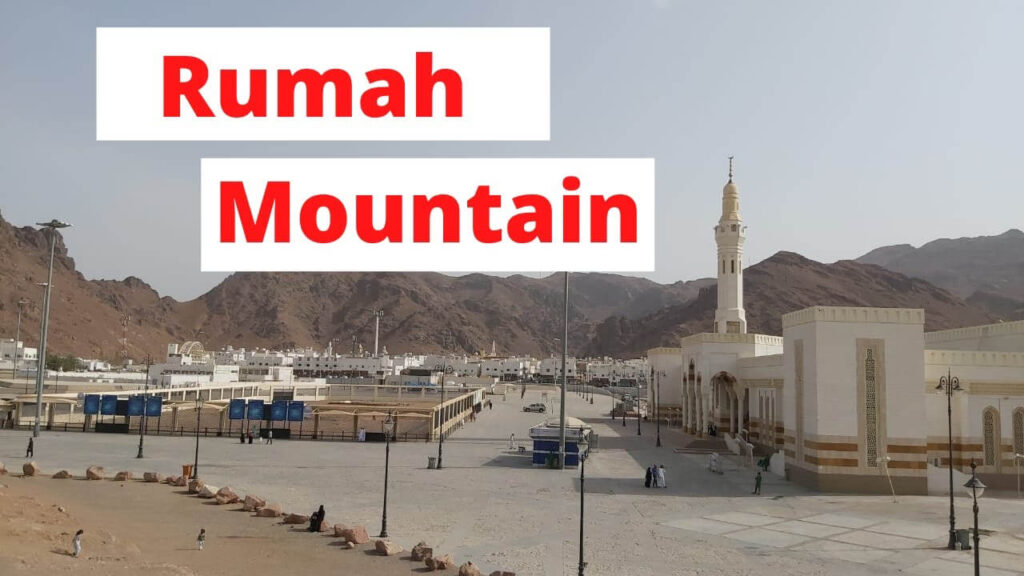
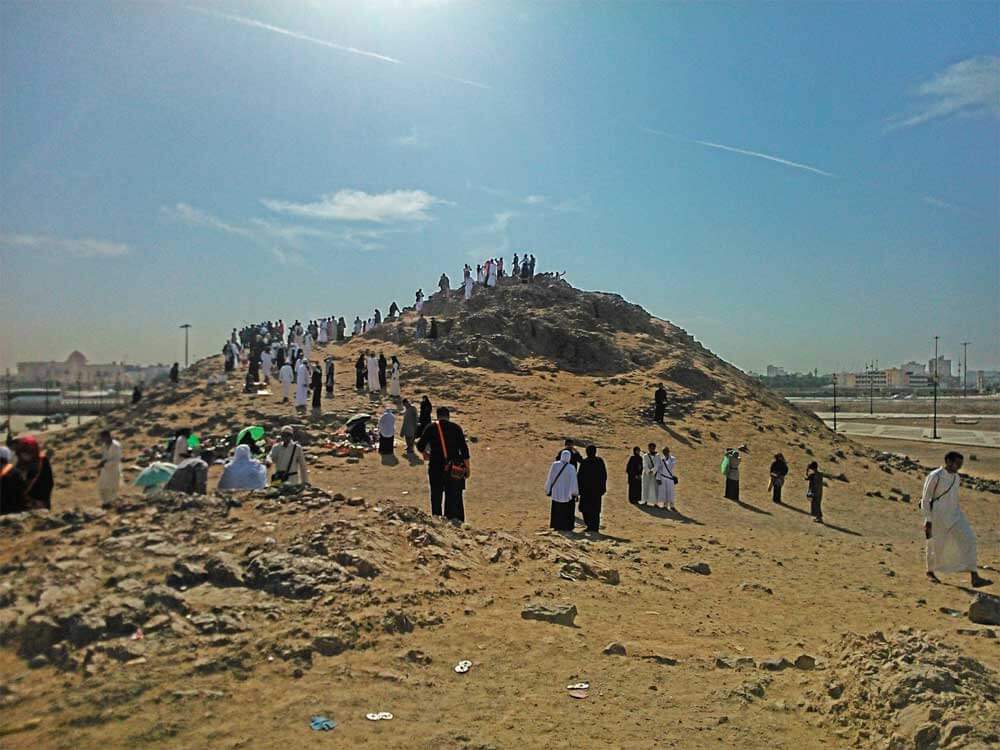
Jabal Rumah (جبل الرماة) is a small hill near Mount Uhud in Madinah, Saudi Arabia, historically associated with the archers positioned there during the Battle of Uhud. It is also known as Jabal Aynayn (جبل عينين), Archers’ Hill, and the Mount of Archers.
The Arabic word rumah refers to archers, which explains the landmark’s name.
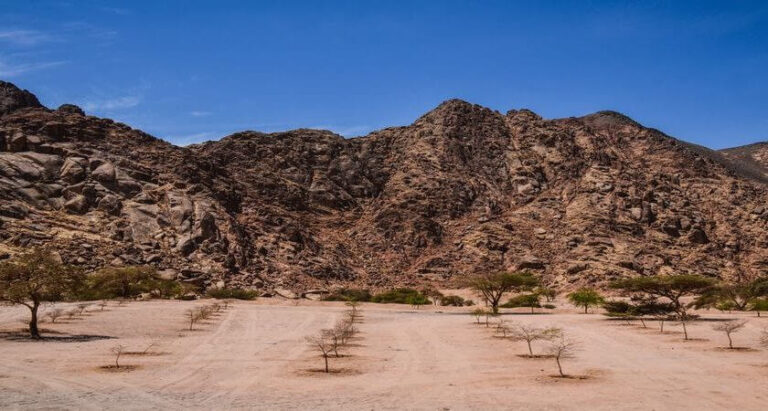
Unlike the much larger Mount Uhud, Jabal Rumah is a relatively small, rocky hill. Its historical importance comes from its strategic position on the battlefield rather than its size.
The Prophet Muhammad (peace be upon him) appointed 50 archers under the command of Abdullah ibn Jubayr (may Allah be pleased with him) to protect the Muslim army from an attack from behind.
Jabal Rumah at a glance
| Detail | Information |
|---|---|
| Arabic name | جبل الرماة |
| Alternative name | Jabal Aynayn |
| English name | Mount of Archers |
| Location | Uhud area, northern Madinah |
| Historical event | Battle of Uhud, 3 AH |
| Main association | Position of 50 Muslim archers |
| Nearby landmark | Martyrs of Uhud Cemetery |
| Distance from Prophet’s Mosque | Approximately 5 km, according to the Saudi Ministry of Hajj and Umrah guide |
Where Is Jabal Rumah Located in Madinah?
Jabal Rumah is located in the Uhud area, north of central Madinah, close to the battlefield and the cemetery of the Martyrs of Uhud.
The Saudi Ministry of Hajj and Umrah’s visitor guide places the hill approximately 5 kilometers north of the Prophet’s Mosque (Masjid an-Nabawi). This is a general location reference, not a guaranteed driving distance.
The hill is sometimes confused with Mount Uhud itself. Although both are associated with the same battle, they are distinct landmarks.
Mount Uhud forms the larger mountainous backdrop of the battlefield, while Jabal Rumah is the smaller elevated position where the archers were stationed.
History of Jabal Rumah and the Battle of Uhud
The Battle of Uhud took place in the third year after the Hijrah, corresponding to 625 CE. It was fought between the Muslims of Madinah and the Quraysh army from Makkah.
The battle followed the Battle of Badr and became one of the most significant events in the early history of Islam.
Why did the Prophet position archers on Jabal Rumah?
Before the battle, Prophet Muhammad (peace be upon him) arranged the Muslim army near Mount Uhud.
He selected 50 archers and placed them under the command of Abdullah ibn Jubayr (may Allah be pleased with him) on Jabal Rumah.
Their responsibility was to defend the army against enemy cavalry approaching from behind.
The Prophet instructed the archers to maintain their position regardless of how the battle developed. This was a crucial defensive arrangement because leaving the position exposed could allow enemy forces to attack the Muslim army’s rear.
What happened when the archers left the hill?
During the early stages of the battle, the Muslim forces gained an advantage, and the opposing army began retreating.
Seeing this, many archers believed the fighting was ending. Some left their assigned position, despite the instruction to remain there.
Abdullah ibn Jubayr reminded them of the Prophet’s command, but only a small group remained.
The opposing cavalry, led by Khalid ibn al-Walid before his acceptance of Islam, took advantage of the exposed position and attacked the Muslim forces from behind.
This changed the course of the battle and caused heavy losses among the Muslims. Abdullah ibn Jubayr was among those martyred.
What lessons does the Battle of Uhud teach?
The events associated with Jabal Rumah are often discussed in connection with obedience, discipline, patience, and responsibility.
The Quran addresses events from the Battle of Uhud in Surah Aal Imran, particularly verse 3:152, which discusses the difficulties that followed disagreement and disobedience.
Verse 3:159 also emphasizes mercy, forgiveness, consultation, and trust in Allah.
For visitors, understanding these passages alongside the historical setting can make the visit more meaningful.
Why Is Jabal Rumah Important to Muslims?
Jabal Rumah is important because it is directly connected with an event from the lifetime of Prophet Muhammad (peace be upon him).
The hill helps visitors understand how the Battle of Uhud unfolded and why the archers’ position mattered.
Its significance is primarily historical and educational. Visiting Jabal Rumah is not a required part of Hajj or Umrah, and visitors should not assume that the location carries a prescribed ritual simply because it is historically important.
A visit can instead be an opportunity to reflect on the events of the Seerah, learn about the Companions, and appreciate the history of Madinah.
What Can Visitors See at Jabal Rumah Today?
The rocky Archers’ Hill
The hill itself is the central attraction. Its modest height makes it visually different from the larger mountains surrounding the battlefield.
Standing near the hill helps visitors understand why an elevated defensive position was valuable during the battle.
Views of Mount Uhud
Mount Uhud provides the prominent backdrop. Its scale helps visitors appreciate the landscape in which the battle took place.
The surrounding battlefield
The area around Jabal Rumah is associated with the movements of the Muslim and Quraysh armies.
Although the modern landscape has changed since the seventh century, the relationship between the hill, the open ground, and Mount Uhud remains useful for understanding the historical accounts.
The Martyrs of Uhud Cemetery
Close to Jabal Rumah is the cemetery associated with Muslims martyred during the Battle of Uhud, including Hamza ibn Abd al-Muttalib (may Allah be pleased with him), the Prophet’s uncle.
Visitors should respect cemetery boundaries, posted instructions, and local regulations.
How to Reach Jabal Rumah from Masjid an-Nabawi
Visitors staying near the Prophet’s Mosque can reach the Uhud area by road.
The journey is relatively short in geographical terms, although driving time depends on the hotel location, traffic, road access, and passenger pickup arrangements.
Common transportation choices include:
- Private Ziyarat taxi: Suitable for travelers who want hotel pickup, a flexible itinerary, and multiple historical stops.
- App-based ride service: Useful for an individual trip, although a return vehicle may need to be arranged separately.
- Organized Ziyarat tour: An option for visitors who prefer a predefined itinerary.
For families, elderly pilgrims, and groups, private transportation can reduce the need to arrange separate rides between landmarks.
Best Time to Visit Jabal Rumah
Early morning and late afternoon are generally more comfortable for outdoor sightseeing in Madinah, especially during warmer months.
Jabal Rumah is an exposed rocky location with limited natural shade. The ground can become hot, and visitors may need to walk over uneven surfaces.
During Ramadan, Hajj season, and other busy pilgrimage periods, traffic and visitor numbers can affect the experience.
There is no need to rush through the visit. Allow enough time to understand the historical surroundings, take photographs where permitted, and move safely between nearby sites.
Can Visitors Climb Jabal Rumah?
Visitors have historically climbed Archers’ Hill to view the surrounding battlefield. However, access conditions and safety restrictions may change.
The hill has uneven, rocky surfaces that may be slippery or difficult for some visitors.
Families with young children, elderly travelers, and people with mobility limitations should assess the conditions before attempting to climb.
Climbing is not necessary to appreciate the historical importance of the site. Visitors can observe the hill and surrounding landscape from ground level.
Follow all posted restrictions and local authority instructions.
Nearby Places to Visit with Jabal Rumah
The Uhud area is particularly suitable for a focused historical Ziyarat trip.
| Landmark | Why visit? |
|---|---|
| Mount Uhud | Understand the mountainous setting of the Battle of Uhud |
| Martyrs of Uhud Cemetery | Learn about the Companions martyred during the battle |
| Uhud battlefield area | Understand the relationship between the archers’ hill and the battlefield |
| Masjid an-Nabawi | The principal mosque and central landmark of Madinah |
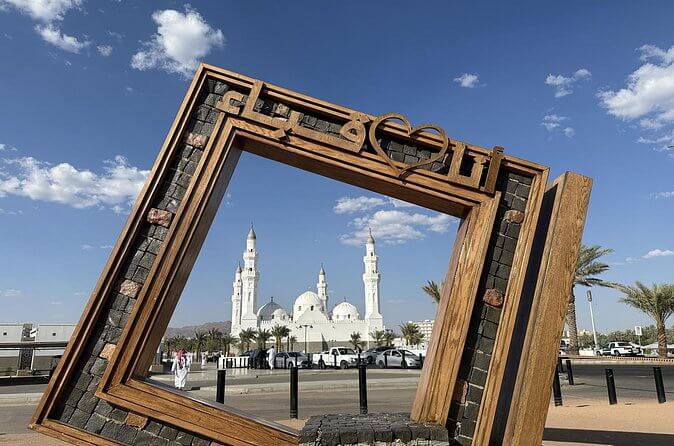
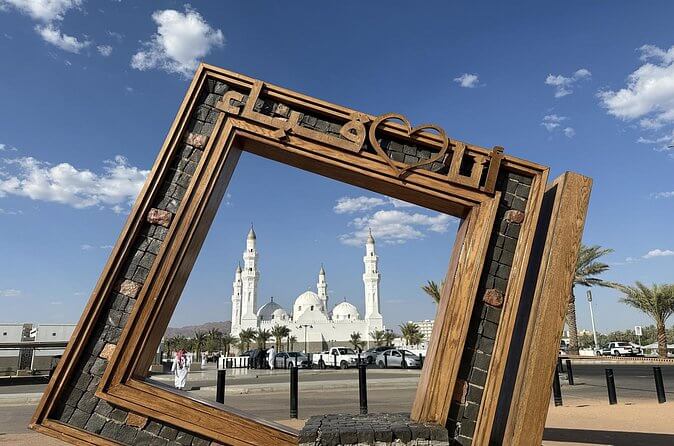
Visitors who have additional time may combine their Uhud visit with other Madinah historical sites, such as Quba Mosque or Masjid al-Qiblatayn, as part of a longer itinerary.
These sites are in different parts of Madinah, so a planned driving route is more practical than treating them as one walking tour.
Suggested Jabal Rumah Ziyarat Itinerary
For visitors who want to explore the Uhud area without spending an entire day sightseeing, a simple itinerary can work well.
- Hotel pickup in MadinahBegin from your hotel near Masjid an-Nabawi or another agreed pickup location.
- Jabal RumahObserve the hill and learn about the position of the archers during the Battle of Uhud.
- Martyrs of Uhud CemeteryVisit the permitted areas respectfully and learn about the Companions associated with the battle.
- Mount Uhud viewpointAppreciate the surrounding landscape and historical setting.
- Return to hotel or continue ZiyaratAdd another Madinah landmark if time, transport arrangements, and visitor access allow.
This is a suggested order, not a fixed tour route. Stops can be rearranged to suit local traffic, weather, and passenger needs.
Visiting Jabal Rumah with Family or Elderly Pilgrims
A visit to Jabal Rumah can be part of a family Ziyarat trip, but comfort and mobility should influence the itinerary.
Families traveling with children may prefer a shorter visit, especially during hot weather.
Elderly travelers may benefit from a vehicle that can stop close to accessible visitor areas, subject to local road and parking restrictions.
For visitors who cannot walk comfortably on rocky ground, viewing the hill from a suitable ground-level location may be preferable.
Practical preparations include carrying drinking water, wearing comfortable footwear, protecting yourself from strong sunlight, and allowing additional time for rest.
Travelers using wheelchairs or other mobility aids should confirm vehicle suitability and accessible stopping arrangements before booking.
Book a Private Taxi to Jabal Rumah in Madinah
Visiting Jabal Rumah is often easier when transportation is arranged alongside nearby Uhud landmarks.
Madinah Ziyarat Taxi provides private transportation for visitors exploring Madinah’s Islamic historical sites.
Travelers can inquire about hotel pickup, private vehicles, and customized multi-stop Ziyarat itineraries. This can be especially helpful for families, elderly visitors, and groups who prefer not to arrange a separate ride after each stop.
When making an inquiry, share your hotel location, travel date, passenger count, and preferred landmarks. Ask for the total quoted fare, vehicle suitability, waiting arrangements, and included stops before confirming.
Plan your Jabal Rumah Ziyarat
Contact Madinah Ziyarat Taxi to ask about a private visit to Jabal Rumah, Mount Uhud, and nearby historical sites.
+966 57 4915 372
Enquire on WhatsApp
Final Thoughts
Jabal Rumah may be a small hill, but its place in Islamic history is significant. Its association with the Battle of Uhud provides visitors with a deeper understanding of the challenges faced by the early Muslim community and the importance of following instructions, remaining disciplined, and showing patience.
For pilgrims and travelers in Madinah, visiting the hill alongside Mount Uhud and the Martyrs of Uhud Cemetery offers a meaningful opportunity to connect the events of the Seerah with their geographical setting.
With thoughtful planning, suitable transportation, and respect for the historical environment, the visit can be both educational and comfortable.
FAQs
1. What is Jabal Rumah in Madinah?
Jabal Rumah is a small historical hill near Mount Uhud where Prophet Muhammad (peace be upon him) stationed 50 archers during the Battle of Uhud.
2. Why is Jabal Rumah called the Mount of Archers?
The name refers to the Muslim archers who were positioned there to defend the army from an attack from behind.
3. Where is Jabal Rumah located?
It is located in the Uhud area, north of central Madinah, near the Martyrs of Uhud Cemetery.
4. How far is Jabal Rumah from Masjid Nabawi?
The Saudi Ministry of Hajj and Umrah’s visitor guide describes it as approximately 5 kilometers north of the Prophet’s Mosque. Actual road distances vary depending on the route. Ministry of Hajj and Umrah
5. What happened at Jabal Rumah during the Battle of Uhud?
Many archers left their defensive position when they believed the battle was ending. Enemy cavalry used the resulting opening to attack the Muslim army from behind.
6. Who commanded the archers at Jabal Rumah?
Abdullah ibn Jubayr (may Allah be pleased with him) commanded the group of 50 archers appointed by the Prophet Muhammad (peace be upon him).
7. Is Jabal Rumah the same as Mount Uhud?
No. Jabal Rumah is a smaller hill near the Uhud battlefield, while Mount Uhud is a much larger mountain.
8. Can tourists climb Jabal Rumah?
Visitors have climbed the hill in the past, but current access and restrictions should be checked locally. The rocky ground requires care.
9. Is visiting Jabal Rumah compulsory during Umrah or Hajj?
No. Visiting Jabal Rumah is not a required ritual of Umrah or Hajj. It is a historical Ziyarat destination.
10. What is the best time to visit Jabal Rumah?
Early morning or late afternoon is generally more comfortable because Madinah can experience strong sunlight and high temperatures.
11. How much time should I allow for Jabal Rumah?
As a planning suggestion, allow approximately 20–40 minutes to view the hill and understand its history, with additional time for nearby landmarks. This is not an official visit duration.
12. Can I visit Jabal Rumah and Mount Uhud together?
Yes. Both landmarks are associated with the Battle of Uhud and can be included in the same Ziyarat trip.
13. Is Jabal Rumah suitable for elderly pilgrims?
Elderly pilgrims can view the historical site without necessarily climbing the hill. Comfortable transportation and minimal walking arrangements are worth considering.
14. Can I book a private taxi to Jabal Rumah?
Yes. Visitors can inquire with Madinah Ziyarat Taxi about private transportation and a customized itinerary covering Jabal Rumah and other Madinah historical sites.
15. How can I contact Madinah Ziyarat Taxi?
Visit Madinah Ziyarat Taxi or contact the business on WhatsApp at +966 57 4915 372 to ask about transportation arrangements.