Madinah Ziyarat in Ramadan: Peak Hours, Traffic and Night Tour Guide
In Ramadan, the calmest and most useful times for Madinah Ziyarat are usually the morning after Fajr and the late-night hours after Taraweeh. The hours around Asr, Maghrib (Iftar), and the start of Isha are usually the hardest for road travel near the Prophet’s Mosque. Exact times shift with the prayer timetable and crowd levels, so plan around the day’s prayer times and confirm your ride and price in writing before the day you travel.
Ramadan in Madinah is a special time to be in the city. It is also the time when the city runs on a different clock. Roads near Masjid an-Nabawi fill early in the evening, hotels clear out at the same moments, and ordinary half-day Ziyarat plans stop working.
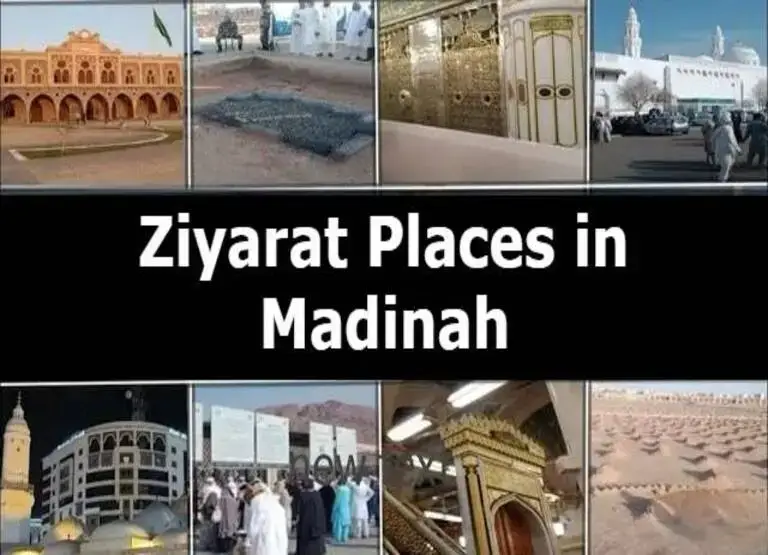
This guide explains how to plan Ziyarat around those rhythms, so you can visit places like Quba Mosque, Masjid al-Qiblatain, and Mount Uhud with less stress.
Dates: Ramadan 1448 AH is expected to begin around 8 February 2027, with the last ten nights beginning near the end of February and Eid al-Fitr around 9–10 March. These are projected dates. Saudi Arabia announces the official start after moon sighting, and it can move by a day.
How Ramadan Changes the Madinah Day
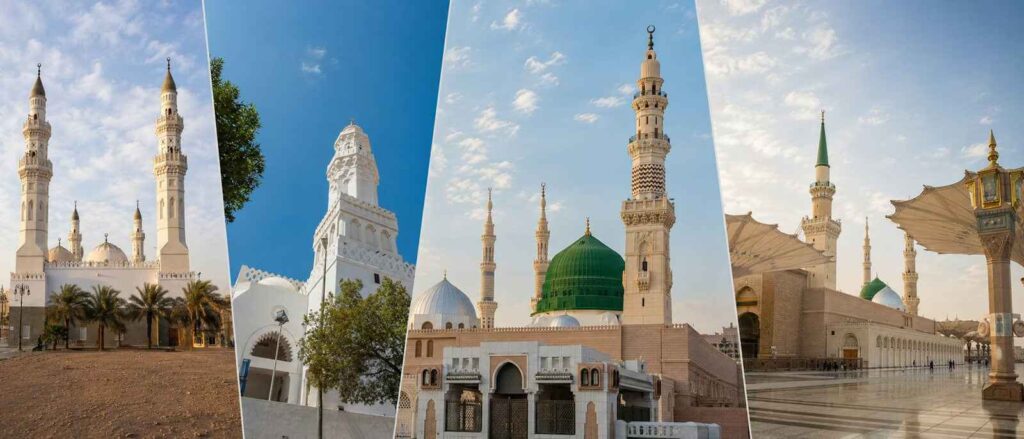
The city’s pattern in Ramadan looks roughly like this:
- After Fajr: Quiet and cool. Many visitors rest after Suhoor and Fajr, so roads are usually lighter.
- Midday: Fasting visitors often rest. Roads are generally calmer, though the sun can still be tiring.
- Late afternoon (Asr to Maghrib): People begin moving toward the Prophet’s Mosque for Iftar and Maghrib. Traffic and crowds build.
- Maghrib/Iftar: Many people stop to break the fast. The area around the mosque is at its busiest with people on foot.
- Isha and Taraweeh: The mosque and surrounding areas are crowded. Isha is set later in Ramadan under the Umm al-Qura calendar, so check the daily timetable rather than assuming normal times.
- After Taraweeh: A large wave of people leaves at once. Then the city gradually quiets, and later hours can be much easier for travel.
- Last ten nights: Qiyam/Tahajjud prayers add a second late-night wave. In past years the late-night prayer has started around 12:45 a.m. in the two holy mosques, but timing changes by year, so check the current announcement.
Peak Hours and Traffic in Madinah During Ramadan
Short answer: The pressure points are the hours before Maghrib, the Iftar period, the time after Isha, and the exit from Taraweeh. Expect slow movement near the Central Haram Area at these times.
Official coverage from recent Ramadans shows the authorities actively managing this. Saudi traffic authorities have described plans that include designated pedestrian paths, traffic directed according to crowd density, and smart monitoring on roads leading to the Prophet’s Mosque. The Madinah Region Development Authority has also run shuttle bus routes connecting stations around the city with the Prophet’s Mosque, plus a route for Quba. Reported shuttle hours have run from 3 PM until about one hour after Taraweeh, extended in the last ten days to about half an hour after the late-night prayer.
What this means for you:
- You should not expect a car to reach the mosque’s doorstep at peak times. Access is managed and can change by day, so a driver may need to drop you at a nearby point and you walk the rest.
- Walking time is part of the trip. A short distance can take much longer when large crowds are moving in the same direction.
- Your hotel’s location matters. Hotels near the Haram can be reached on foot, while hotels farther out depend more on vehicles and shuttles.
- Specific road closures change. Authorities adjust them from year to year and sometimes day to day. We do not list individual streets here because that information goes out of date. Ask your driver and hotel for the current arrangements the day before.
Best Times for Ziyarat in Ramadan
The table below is a planning guide, not an official schedule. Always check the day’s prayer times.
| Time slot | Suitability | Why |
|---|---|---|
| After Fajr until mid-morning | Good | Cooler, lighter roads, easier parking and drop-offs |
| Midday | Fair | Roads are often calm, but fasting visitors may feel tired, especially elderly travelers |
| Late afternoon to Iftar | Poor | Roads and walkways fill as people head to the mosque |
| Iftar to end of Taraweeh | Poor for travel | Heavy crowds, limited vehicle access near the Haram |
| 30–90 minutes after Taraweeh | Mixed | Large exit wave. Leaving immediately can mean waiting in crowds |
| Late night after the crowd clears | Good for some sites | Cooler air, quieter roads. Check site access first |
A reasonable plan for most visitors: Do a short Ziyarat after Fajr when energy is highest, rest through the day, and keep one calm late-night slot for a second trip if you want it.
Night Ziyarat After Taraweeh: What Works and What Does Not
Night Ziyarat is popular in Ramadan because the air is cooler and the roads clear after the Taraweeh rush. It works best for sites you visit from outside or that are open late. It does not suit places with fixed visiting hours.
What often works at night
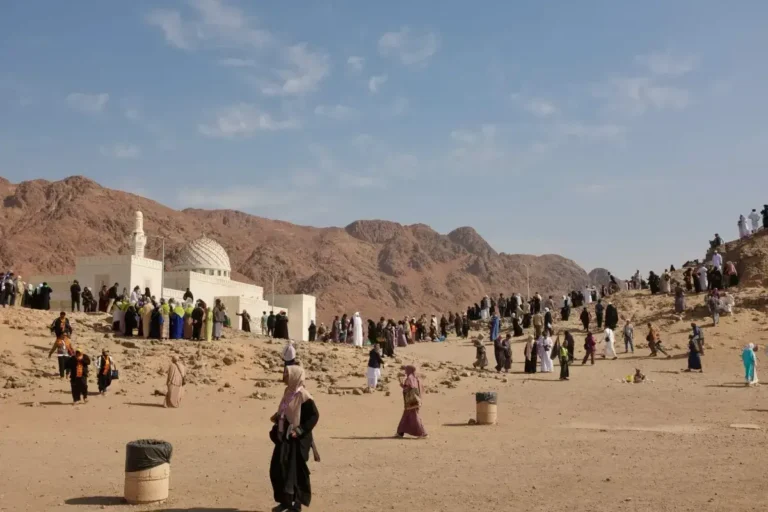
- Quba Mosque. It is one of the most visited mosques in Ramadan and is often active late in the evening. Visitors commonly want to pray there. Plan for crowds earlier in the evening and calmer conditions later.
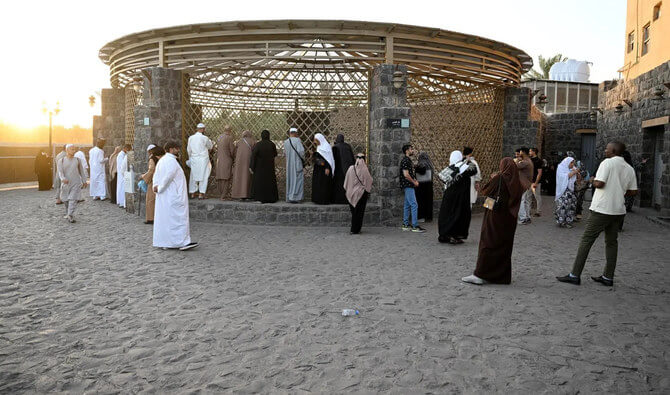
- Masjid al-Qiblatain. As of late 2025, reports said it was open 24 hours following a royal directive. Because rules can change, confirm the current status before planning a late visit.
- The Seven Mosques area. Viewing the area at night can be quiet, though visibility and walking conditions are limited in the dark.
What usually does not suit a night visit
- Jannat al-Baqi. Visiting is limited to set times, and entry is for men only. Check the current hours at the gate area before going.
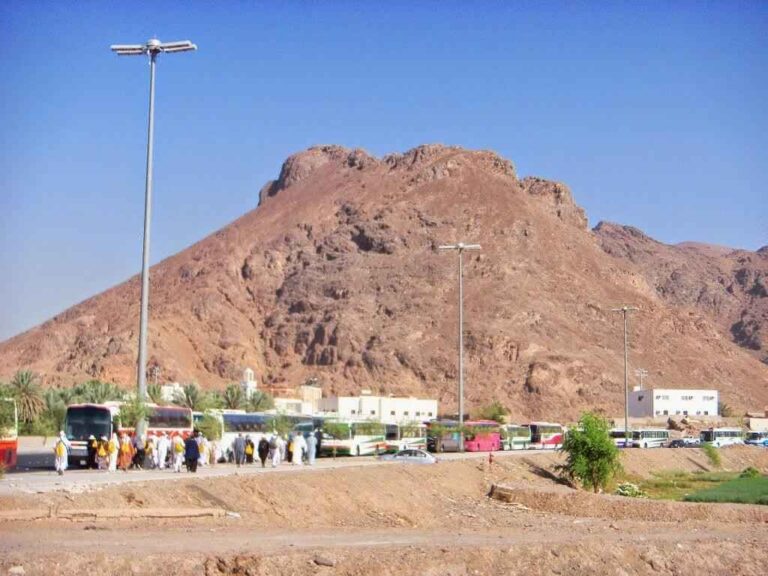
- Mount Uhud and the Martyrs’ Cemetery. Opening times are limited and can change. Visitors often go in daylight, when the setting and the history are easier to take in.
- Anywhere with restricted hours. If you are unsure, ask your hotel or driver to check on the day.
Practical tips for a night trip
- Leave the mosque area a little after the first crowd rush, or have your driver meet you at a calm pickup point instead of at the main exit.
- Agree a pickup place in advance. Many people near the mosque are looking for rides at the same time.
- Keep the trip short. Two or three stops in one late evening is realistic. Six is not.
- Carry water and a light layer. February nights can feel cool, especially after standing outdoors.
Which Sites Suit Which Time Slot
| Site | Why visitors go | Suggested Ramadan timing |
|---|---|---|
| Quba Mosque | The first mosque built in Islam, founded after the Prophet’s ﷺ migration to Madinah | After Fajr, or a late-night slot. Saturday is traditionally recommended by many visitors |
| Masjid al-Qiblatain | The mosque associated with the change of the qibla from Jerusalem to the Kaaba | Morning or late night (confirm hours) |
| Mount Uhud and the Martyrs’ Cemetery | The site of the Battle of Uhud (3 AH) | Morning, in daylight |
| Seven Mosques area (Khandaq/Masjid al-Fath) | Linked to the Battle of the Trench | Morning, or a calm late evening |
| Jannat al-Baqi | The historic cemetery beside the Prophet’s Mosque | During its posted visiting times |
A note on religious accuracy: Ziyarat of these places is a recommended visit for many pilgrims because of their history, but it is not a required part of Umrah or Hajj. Reports about extra rewards for visiting particular places come from hadith narrations, and readers who want detail should consult a qualified scholar.
Madinah Taxi Rates in Ramadan: Why Prices Change
Short answer: Rates can feel higher or less predictable in Ramadan because demand spikes at the same moments every day: Iftar, after Isha, and after Taraweeh. Apps that price by demand can rise sharply in these windows. Public taxis are regulated, but the experience still depends on how and where you book.
What to know:
- Licensed public taxis are regulated. Saudi Arabia’s Transport General Authority requires taxi meters to be switched on at the start of a trip, and has said passengers may be entitled to a free ride if the driver does not use the meter.
- Unlicensed drivers are a risk. The TGA warns against unlicensed individuals offering rides, who may lack tracking, insurance, and safety standards, and who have no regulated fare structure.
- Posted tariffs do not surge. Madinah airport posts a set taxi tariff by destination on a sign outside the terminal, charged in multiples of 5 SAR. These airport fares are revised from time to time, so check the posted sign.
- App prices can move with demand. Ride-hailing apps may quote higher prices when demand rises. Check the price before you confirm.
- Private Ziyarat trips are different. A private multi-stop trip is priced by the route, waiting time, and vehicle, not by a meter alone. That is why a clear quote beforehand matters.
We are not publishing a price list here because rates vary by season, vehicle, number of stops, and waiting time, and they change. Ask for a current quote from any provider.
How to Pre-Book a Private Taxi and Avoid Pricing Surprises
Pre-booking helps because you agree on the plan and the price while demand is low, not in the middle of the Iftar rush. It does not remove every risk, so use this checklist.
Before you book, ask:
- What is the total price? Ask for it in writing, for example in a WhatsApp message.
- What does the price include? Number of stops, waiting time at each site, hotel pickup and return.
- What happens if the trip runs late? Taraweeh crowds can add time. Ask how extra waiting is handled.
- Which vehicle will be used? Match it to your group (see below).
- Where exactly will the pickup happen? Near the Haram, a specific pickup point may be better than the main exit.
- Is the driver or operator licensed? Ask how the service operates, and avoid unmarked cars offered on the street.
- How can you reach the driver? Keep a phone number and a backup meeting point.
Choosing a vehicle (confirm availability with the provider):
- Couples or small families: A sedan such as a Toyota Camry is usually enough.
- Families with more people or luggage: An SUV or a van such as the Hyundai Staria may be more comfortable.
- Larger groups: A larger van such as a Toyota Hiace may suit group travel.
- Elderly travelers: Prioritize easy entry and exit, and air conditioning.
We do not state passenger or luggage capacity here because it differs by vehicle and should be confirmed when booking.
Ziyarat in Ramadan for Families, Elderly Travelers, and Groups
Families with children: Keep the plan short. Fasting and long evenings tire children quickly. A morning trip with water and a rest break is more realistic than a late-night marathon.
Elderly or mobility-limited visitors: Walking from a vehicle drop-off to a mosque entrance can be long when crowds are heavy. Ask your driver to drop you as close as is permitted, plan for rest, and avoid the hours around Iftar and the Taraweeh exit. A private vehicle lets you leave when you are ready instead of following a fixed bus timetable, which is a real advantage when someone needs to rest.
Groups: Agree the order of stops and a meeting point before you leave. In large crowds, it is easy to lose the group, so share one driver contact number.
Practical Tips for Ziyarat in Ramadan
- Hydrate at Suhoor and after Iftar. Do not plan a hard outdoor trip late in a fasting day.
- Respect prayer times at each site. Stopping when the adhan sounds is part of the day, so build in time.
- Dress modestly and comfortably. Wear shoes that are easy to remove.
- Photography: Follow signs and staff instructions. Avoid photographing worshippers.
- Last ten nights: Expect the heaviest crowds of the month, especially on the odd nights, and longer late-night activity. Keep plans flexible.
- Rawdah: Entry requires a permit booked through the Nusuk app, so do not plan a Ziyarat trip around an assumed Rawdah slot.
- Keep a flexible schedule. A delay at one stop should not ruin the rest.
Booking Information
Visitors looking for private transportation can contact Madinah Ziyarat Taxi through WhatsApp at +966 57 4915 372 to ask about availability, vehicle options, hotel pickup arrangements, and a Ramadan Ziyarat plan built around prayer times. It helps to include your hotel name, the number of passengers, the sites you want to see, and the time slot you prefer.
More details are available at madinahziyarattaxi.com.
FAQs
1. What is the best time for Ziyarat in Madinah during Ramadan?
Usually after Fajr in the morning, or late at night once the Taraweeh crowd has cleared. The late afternoon through Taraweeh is the hardest time for road travel.
2. Is Madinah traffic bad during Iftar?
It is often heavy around the Prophet’s Mosque in the hours before and after Maghrib, with large numbers of people on foot. Authorities manage access with pedestrian routes and traffic plans, so a car may not reach the mosque directly.
3. Can I do Ziyarat while fasting?
Yes, many visitors do. Plan shorter trips at times of day when you have energy, bring water for after Iftar, and avoid long outdoor walks late in the fasting day.
4. Is night Ziyarat possible in Madinah?
Yes, for places you can visit from outside or that are open late. Some sites, including cemeteries, have fixed visiting hours, so check before you go.
5. Is Quba Mosque open at night in Ramadan?
Quba Mosque is a place of worship and is often busy in the evenings in Ramadan. Check current access on the day, as arrangements can change.
6. Are taxi rates higher in Madinah during Ramadan?
Prices can feel higher or less predictable when demand peaks, especially with demand-based apps. Regulated airport tariffs are posted and do not surge. For private trips, ask for a written quote in advance.
7. How can I avoid surge pricing?
Pre-book your ride, agree the total price in writing, and avoid hailing rides at peak moments such as just after Taraweeh ends.
8. Can I book a private Ziyarat taxi in advance?
Yes. You can message Madinah Ziyarat Taxi on WhatsApp at +966 57 4915 372 to ask about availability and a plan for your dates.
9. Can the taxi pick me up from my hotel?
Hotel pickup is part of the service. In busy periods, the driver may suggest a nearby pickup point if vehicle access to the hotel is restricted.
10. How many Ziyarat sites can I visit in one trip?
Two to four is realistic in one outing in Ramadan, depending on crowds and your energy. The right number depends on traffic, waiting time, and who is traveling.
11. Is private transport good for elderly parents?
It often is, because you can leave when you are ready, rest between stops, and avoid long waits for public transport.
12. Does the public bus run in Ramadan?
In recent years, Madinah Buses shuttle routes have operated with special Ramadan schedules to the Prophet’s Mosque and Quba. Routes and hours change by year, so check the current schedule.
13. Is Ziyarat required for Umrah?
No. Visiting historical sites in Madinah is not a required part of Umrah or Hajj. It is a visit many pilgrims choose for historical and spiritual reasons.
14. What should I ask before booking a taxi in Ramadan?
Ask for the total price in writing, what it includes, how waiting time is handled, which vehicle you will get, and the exact pickup point.